
There’s a particular kind of tedium that every AI engineer knows intimately: the prompt-tuning loop. You write a system prompt, […]
Category: Staff

Inside the Creative Artificial Intelligence (AI) Stack: Where Human Vision and Artificial Intelligence Meet to Design Future Fashion
Fashion has always been about anticipation, determining what one would prefer to wear before they know it themselves. It’s meant […]

Netflix AI Team Just Open-Sourced VOID: an AI Model That Erases Objects From Videos — Physics and All
Video editing has always had a dirty secret: removing an object from footage is easy; making the scene look like […]
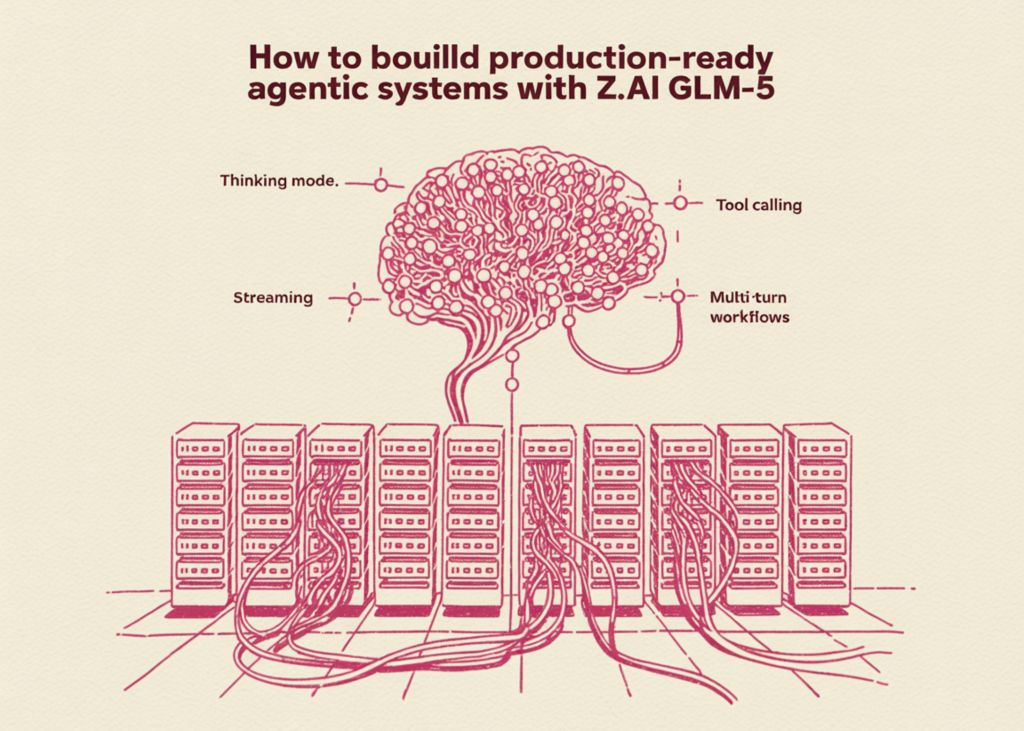
How to Build Production-Ready Agentic Systems with Z.AI GLM-5 Using Thinking Mode, Tool Calling, Streaming, and Multi-Turn Workflows
In this tutorial, we explore the full capabilities of Z.AI’s GLM-5 model and build a complete understanding of how to […]

TII Releases Falcon Perception: A 0.6B-Parameter Early-Fusion Transformer for Open-Vocabulary Grounding and Segmentation from Natural Language Prompts
In the current landscape of computer vision, the standard operating procedure involves a modular ‘Lego-brick’ approach: a pre-trained vision encoder […]

Step by Step Guide to Build an End-to-End Model Optimization Pipeline with NVIDIA Model Optimizer Using FastNAS Pruning and Fine-Tuning
In this tutorial, we build a complete end-to-end pipeline using NVIDIA Model Optimizer to train, prune, and fine-tune a deep […]
Arcee AI Releases Trinity Large Thinking: An Apache 2.0 Open Reasoning Model for Long-Horizon Agents and Tool Use
The landscape of open-source artificial intelligence has shifted from purely generative models toward systems capable of complex, multi-step reasoning. While […]
Defeating the ‘Token Tax’: How Google Gemma 4, NVIDIA, and OpenClaw are Revolutionizing Local Agentic AI: From RTX Desktops to DGX Spark
Run Google’s latest omni-capable open models faster on NVIDIA RTX AI PCs, from NVIDIA Jetson Orin Nano, GeForce RTX desktops […]

IBM Releases Granite 4.0 3B Vision: A New Vision Language Model for Enterprise Grade Document Data Extraction
IBM has announced the release of Granite 4.0 3B Vision, a vision-language model (VLM) engineered specifically for enterprise-grade document data […]
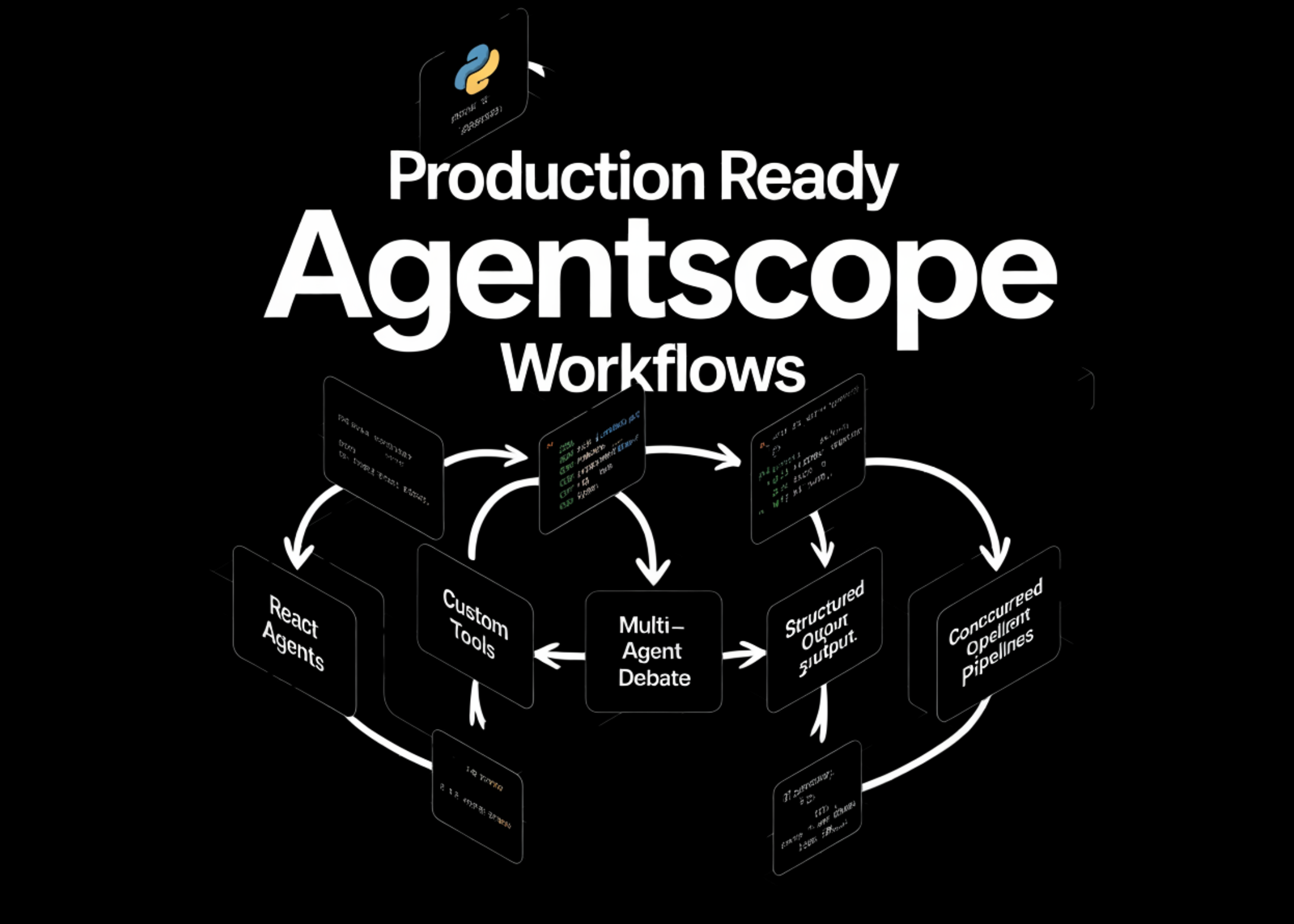
How to Build Production Ready AgentScope Workflows with ReAct Agents, Custom Tools, Multi-Agent Debate, Structured Output and Concurrent Pipelines
In this tutorial, we build a complete AgentScope workflow from the ground up and run everything in Colab. We start […]