
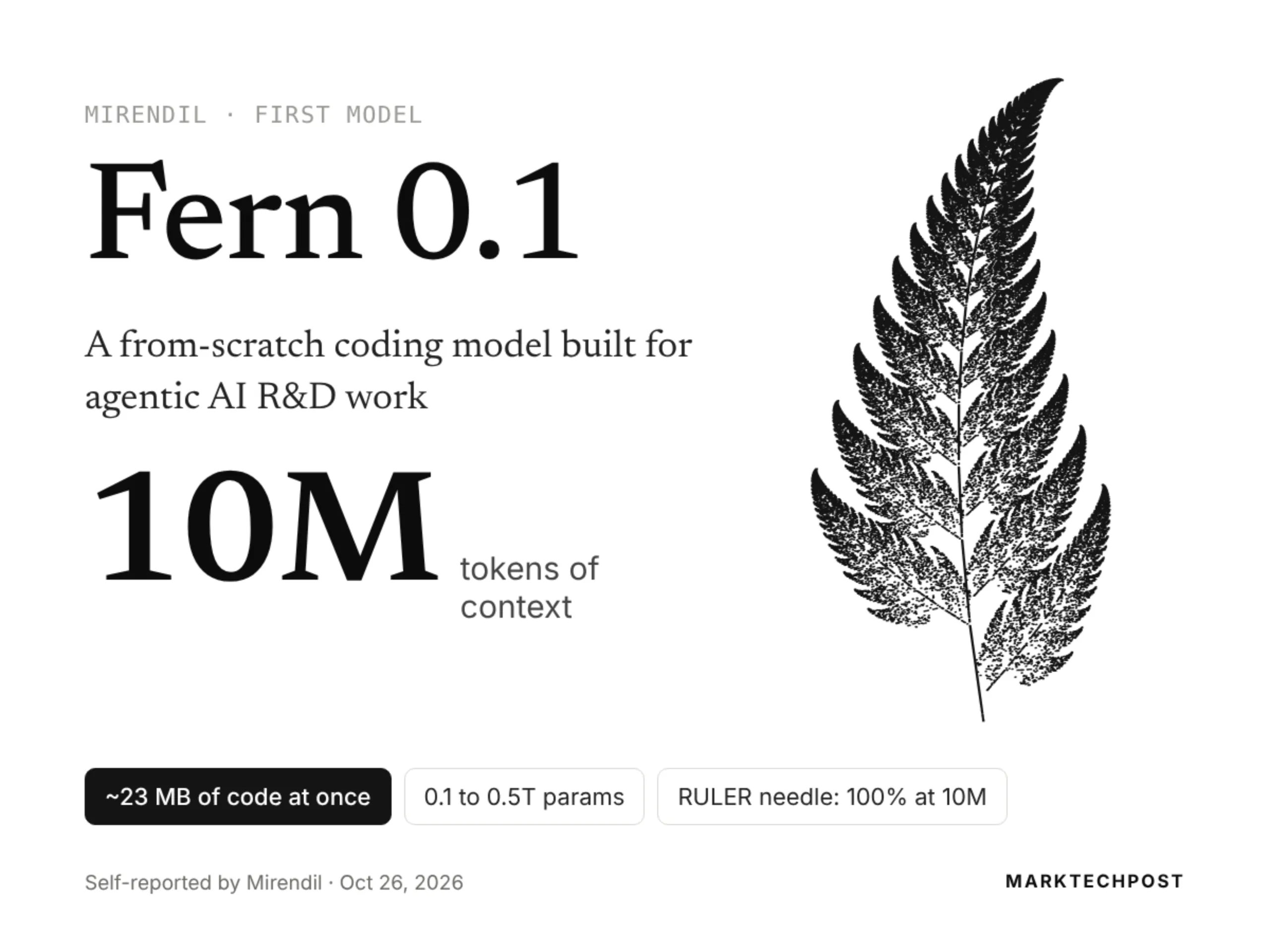
Mirendil has released Fern, its first AI model. Mirendil Fern is a from-scratch coding model with a context window of […]
Category: Machine Learning
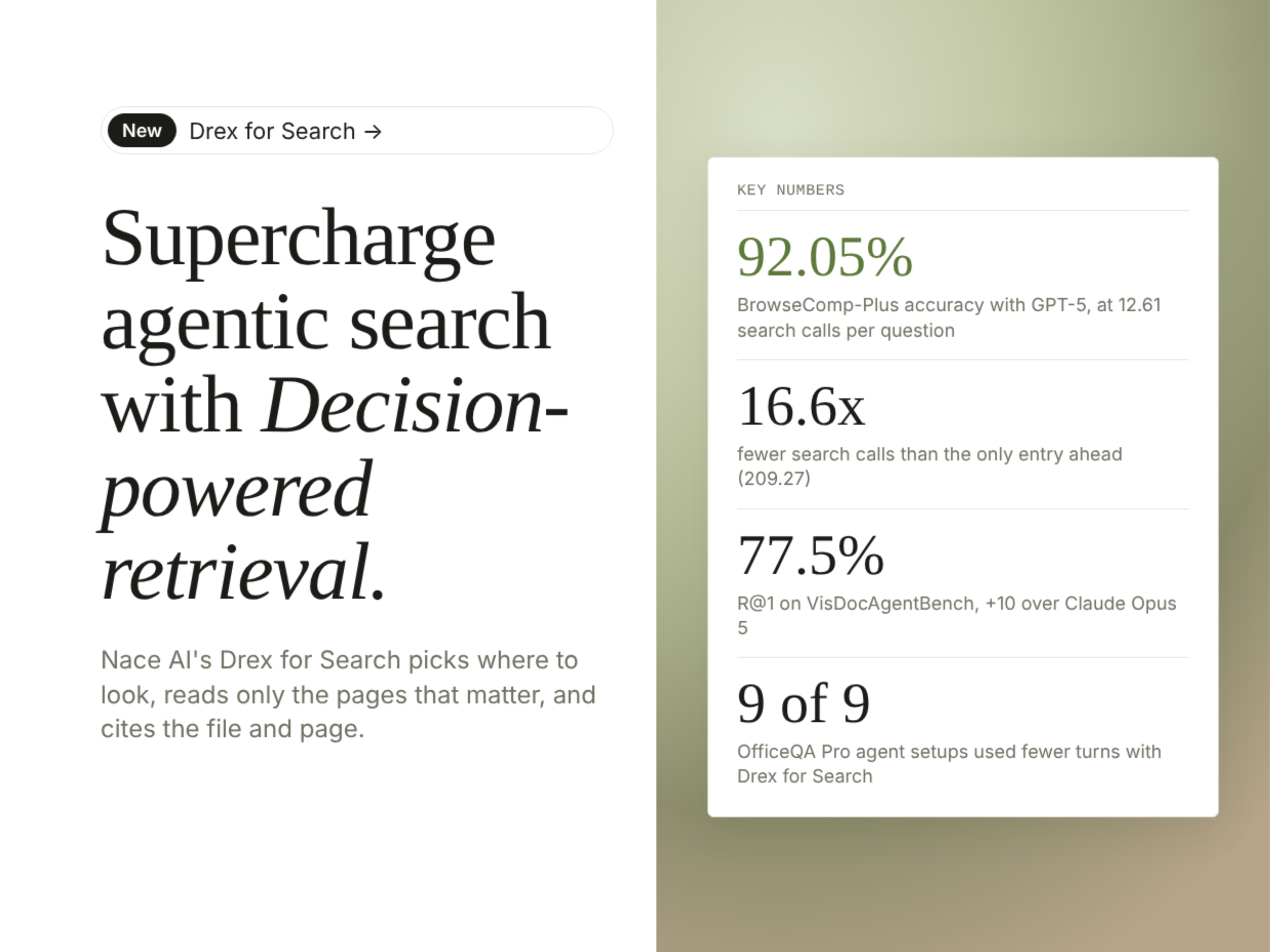
Nace AI Releases Drex for Search for AI Agents: 92.05% on BrowseComp-Plus With 12.6 Search Calls
Nace AI has released Drex for Search, which brings its Drex decision models to document search. Drex for Search is […]
Nace AI Releases Drex for Search for AI Agents: 92.05% on BrowseComp-Plus With 12.6 Search Calls
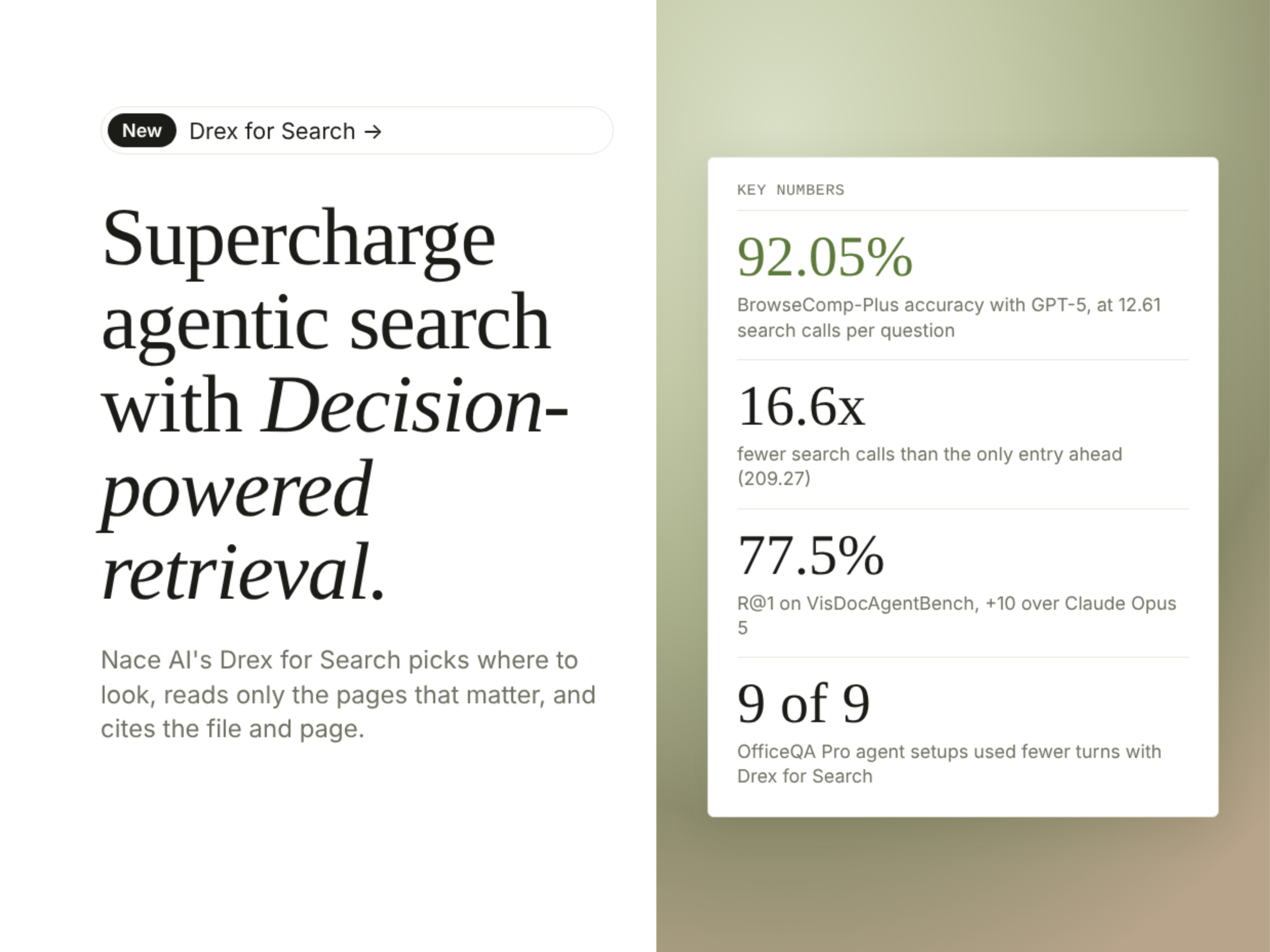
Nace AI has released Drex for Search, which brings its Drex decision models to document search. Drex for Search is […]
Hugging Face Releases Carbon-X, a 14B Open DNA Language Model that Brings DNA and Natural Language Together for the First Time
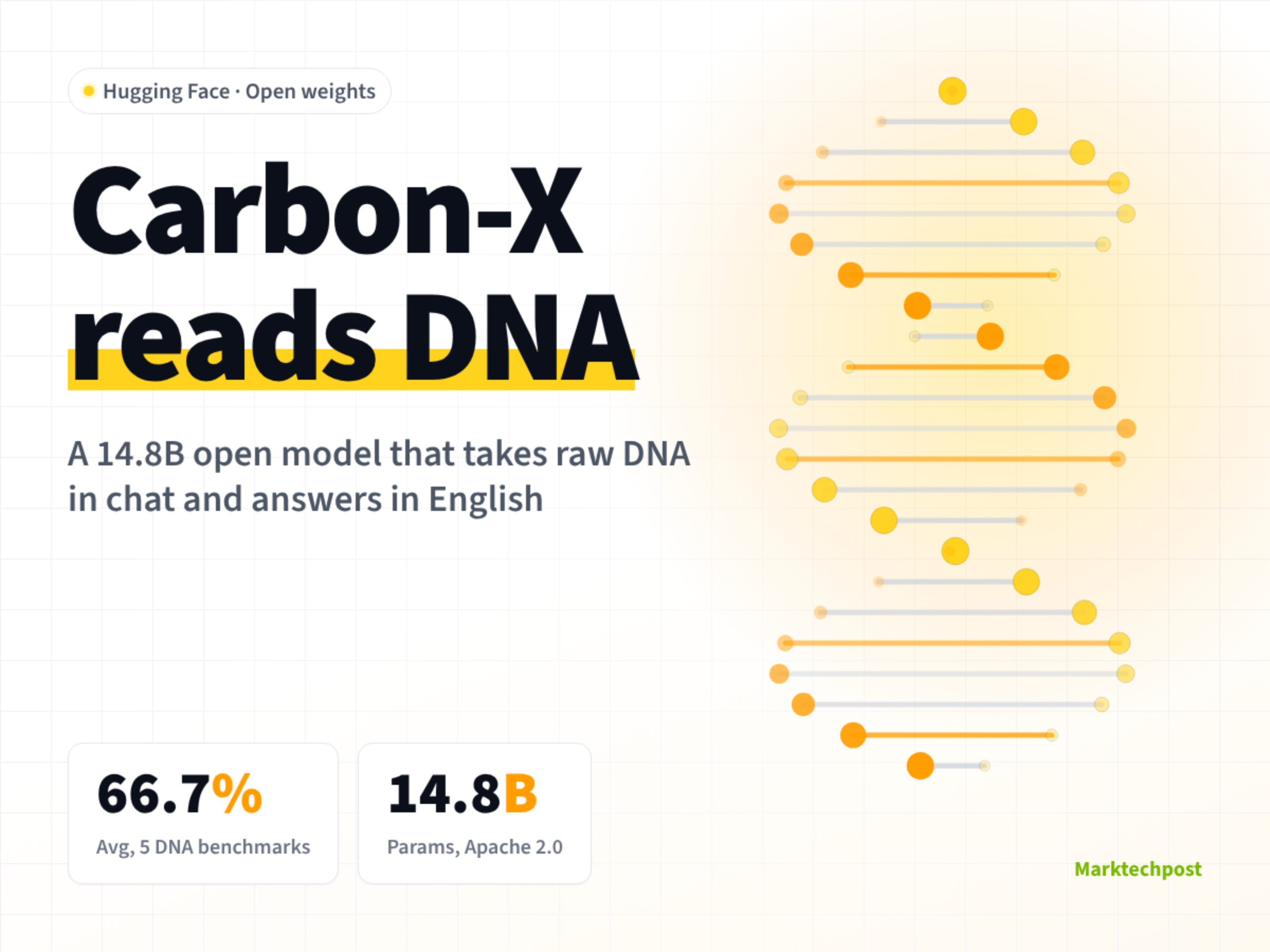
Hugging Face has released Carbon-X, an open DNA language model with 14.8B parameters. Carbon-X is a decoder-only model from Hugging […]
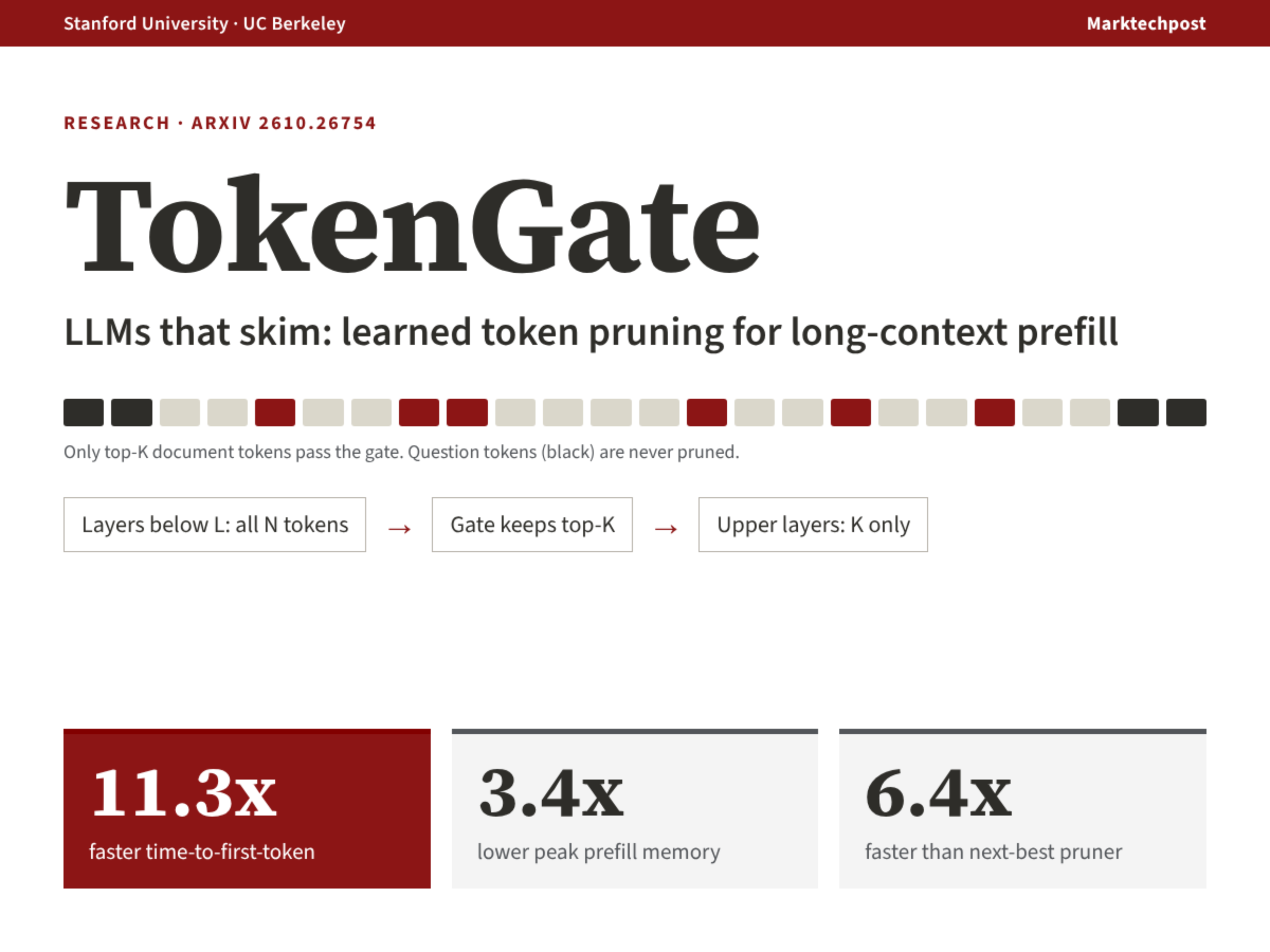
Researchers from Stanford and UC Berkeley Introduce TokenGate: Token-Gated Attention Makes Long-Context Prefill Up to 11.3x Faster
Stanford and UC Berkeley researchers released TokenGate, a module for long-context prefill. TokenGate learned token pruning lets an existing LLM […]

Microsoft Open-Sources Agensh: A Multi-Agent Harness for 1,024 Agents
Microsoft Research has open-sourced Agensh, a decentralized harness for large teams of coding agents. The Agensh multi-agent harness removes the […]
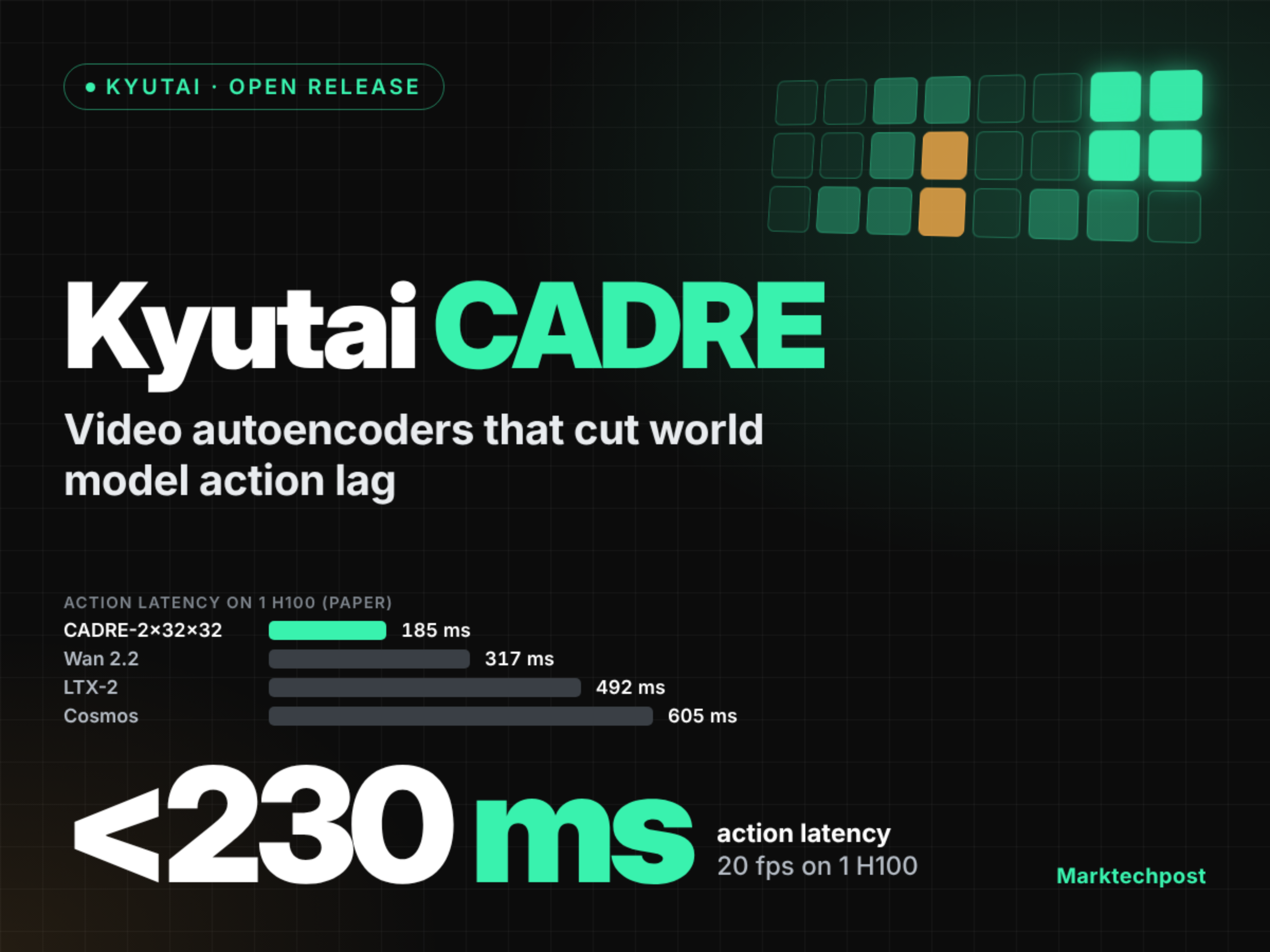
Kyutai CADRE: Video Autoencoders That Cut World Model Lag Below 230 ms
Kyutai has released CADRE, open causal diffusion representation autoencoders for interactive world models. The Kyutai CADRE video autoencoder targets one […]
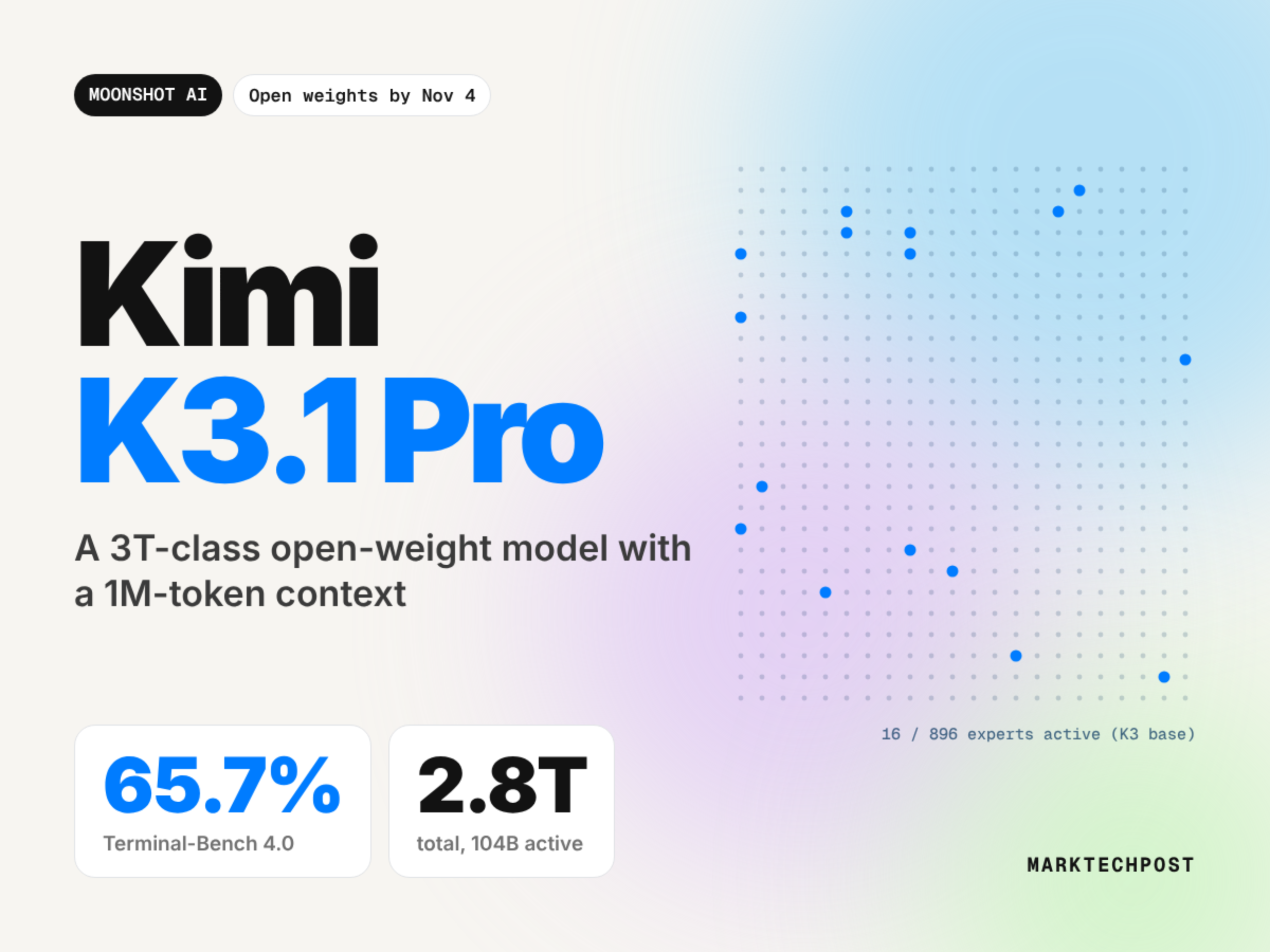
Moonshot AI Releases Kimi K3.1 Pro: A 2.8T Total/104B Active Params (MoE) Model with 1M Context
Moonshot AI has just released Kimi K3.1 Pro, the first model in its K3.1 series. Kimi K3.1 Pro is a […]
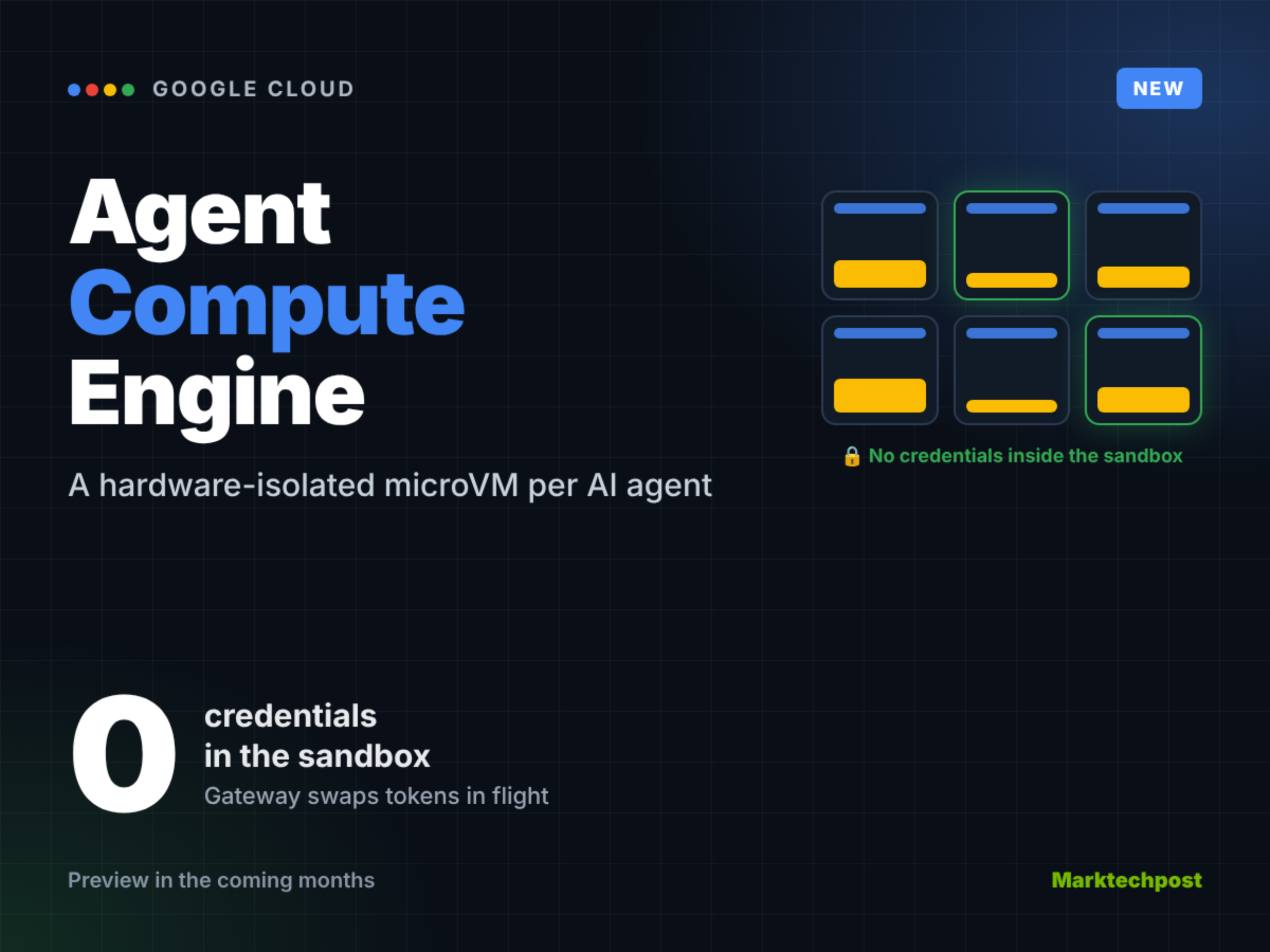
Google Cloud Launches Agent Compute Engine: A MicroVM per AI Agent
Google Cloud has announced Agent Compute Engine, a compute service built specifically for AI agents. Google Agent Compute Engine gives […]
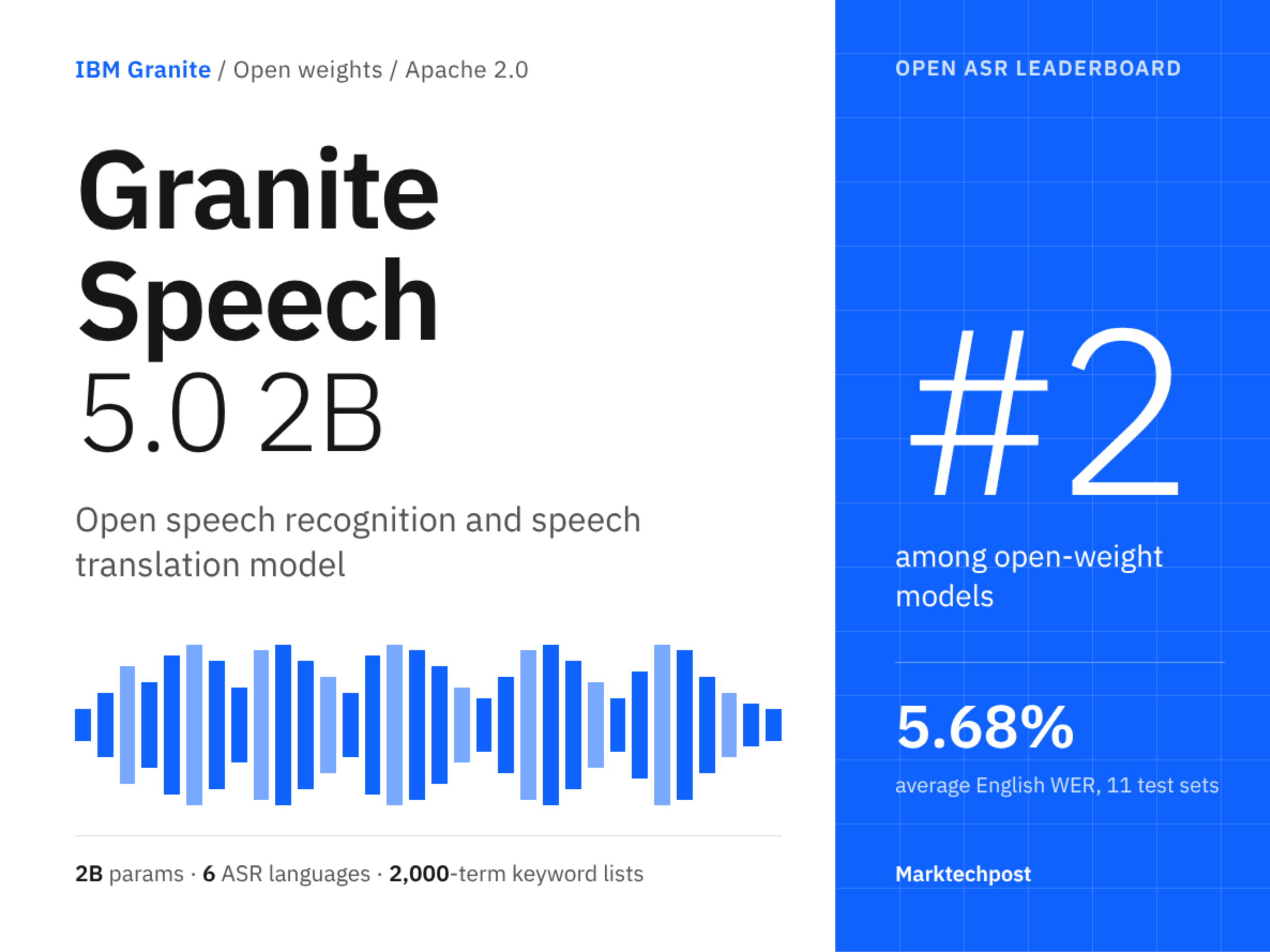
IBM AI Releases Granite Speech 5.0 2B for Multilingual Transcription and Translation
IBM has released Granite Speech 5.0 2B, a new open speech-language model for transcription and translation. Granite Speech 5.0 2B […]