
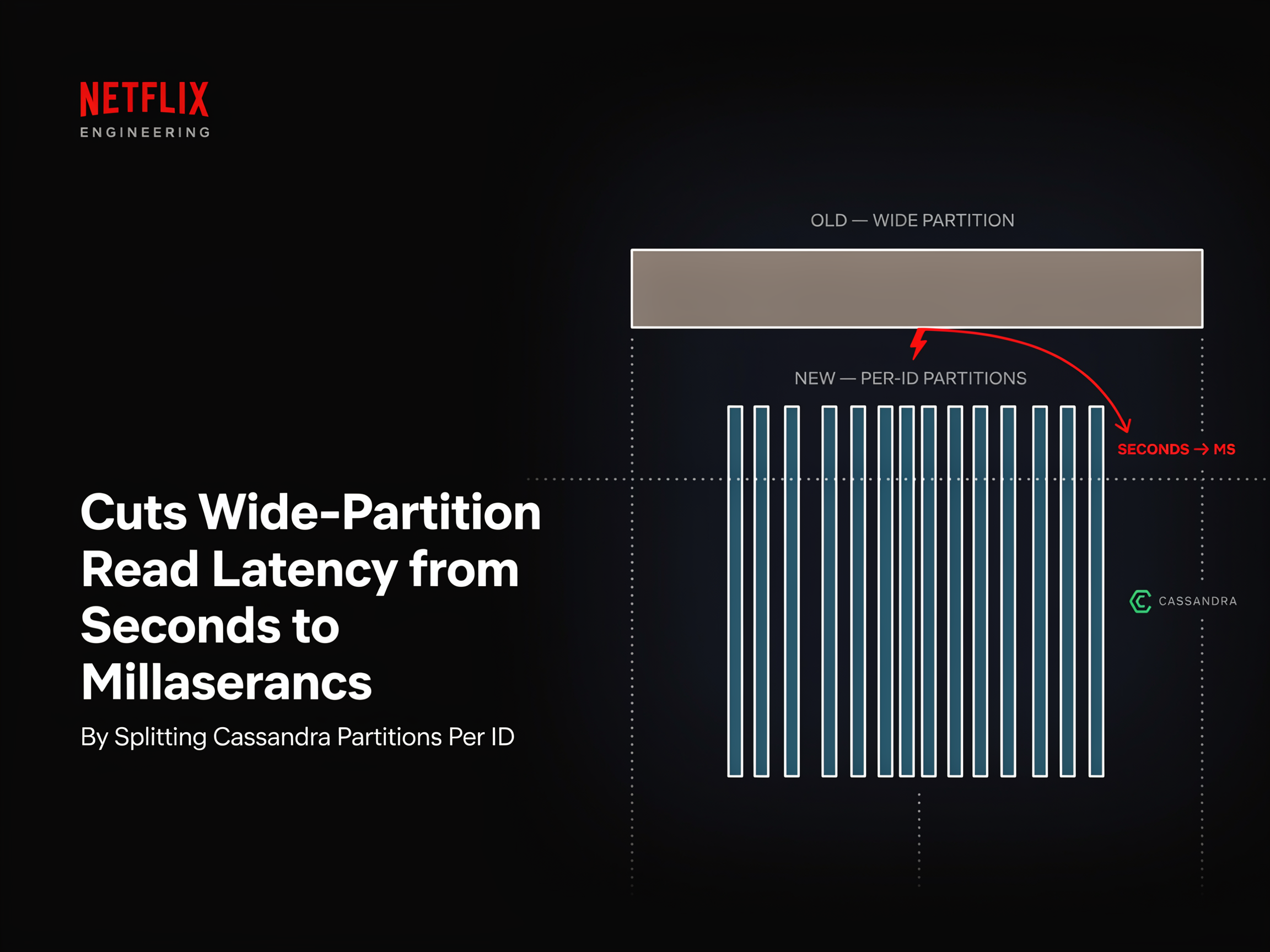
Netflix’s engineering team published a method for handling wide partitions in Apache Cassandra. The research work targets Netflix’s TimeSeries Abstraction, […]
Category: AI infrastructure
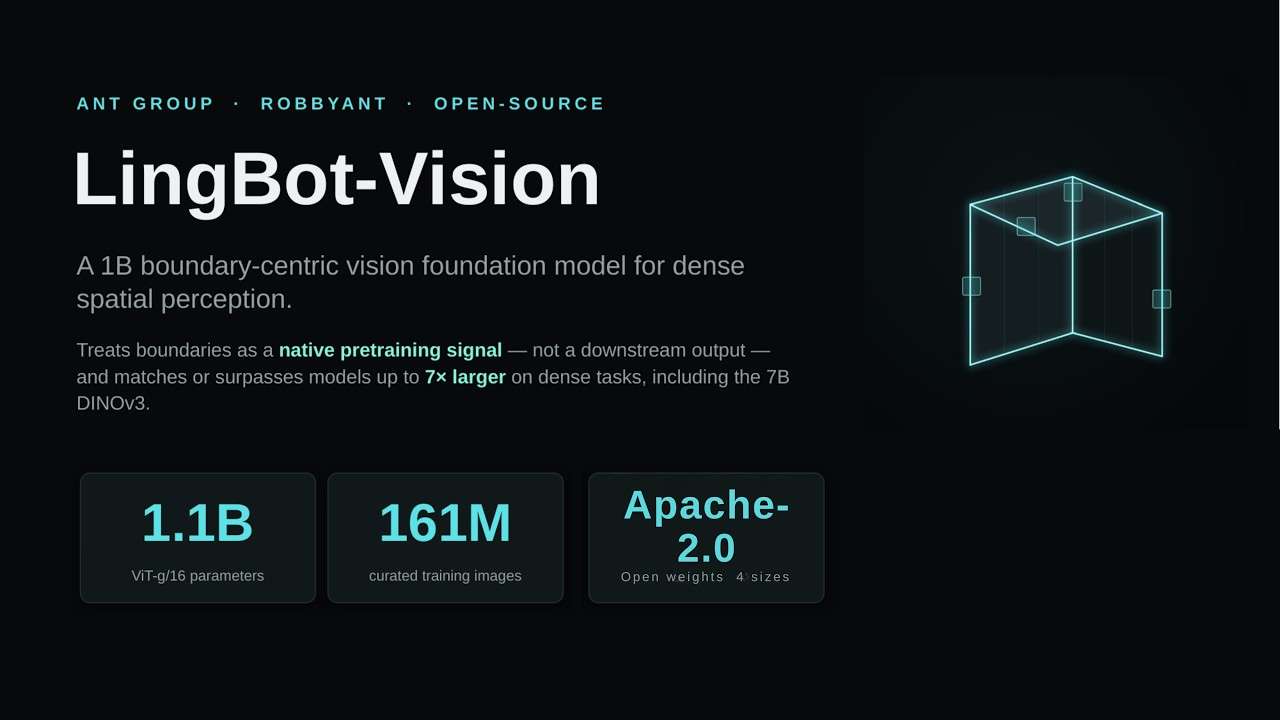
Ant Group’s Robbyant Open-Sources LingBot-Vision: A 1B Boundary-Centric Vision Foundation Model for Dense Spatial Perception
Robbyant, the embodied-AI company within Ant Group, has open-sourced LingBot-Vision, a family of self-supervised Vision Transformers built for dense spatial […]
Liquid AI Open-Sources Antidoom: A Final Token Preference Optimization (FTPO) Method that Reduces Doom Loops in Reasoning Models
Liquid AI has released Antidoom, an open-source method that targets a common failure mode in reasoning models. That failure mode […]
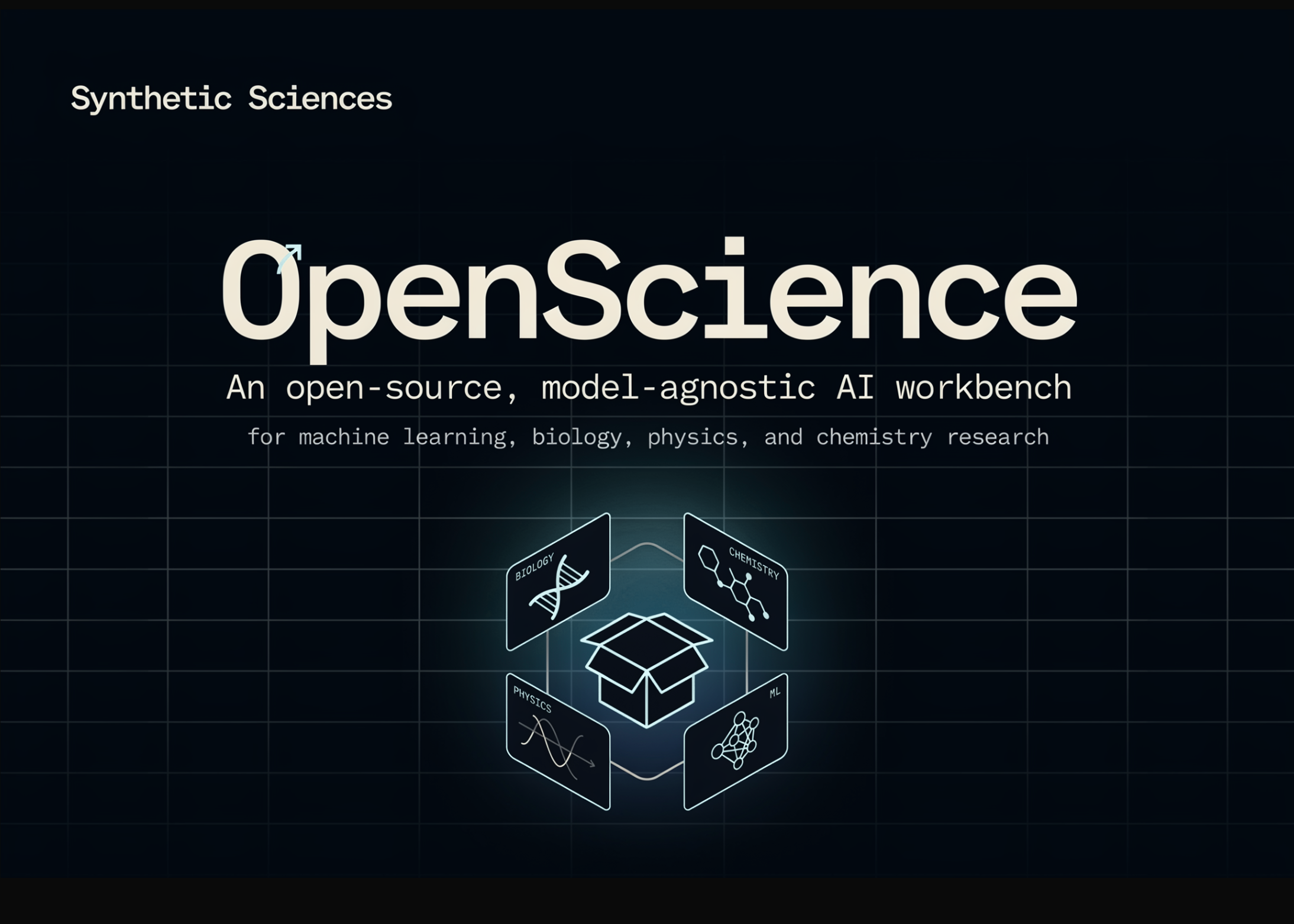
Synthetic Sciences Releases OpenScience: An Open-Source, Model-Agnostic AI Workbench for Machine Learning, Biology, Physics, and Chemistry Research
Synthetic Sciences has released OpenScience, an open-source AI workbench for scientific research. It is licensed under Apache 2.0 and runs […]
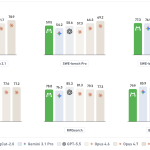
Meituan Releases LongCat-2.0: A 1.6T-Parameter Open MoE Model with Native 1M Context and LongCat Sparse Attention
Meituan has released LongCat-2.0, a large-scale Mixture-of-Experts (MoE) language model. It carries 1.6 trillion total parameters and activates about 48 […]
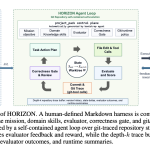
NVIDIA HORIZON: A Hands-Free Agent that Evolves Git Worktrees and Hits 100% RTL Benchmark Completion
NVIDIA Research introduced HORIZON, a hands-free agent framework for hardware design. It treats hardware design as repository-level code evolution. This […]
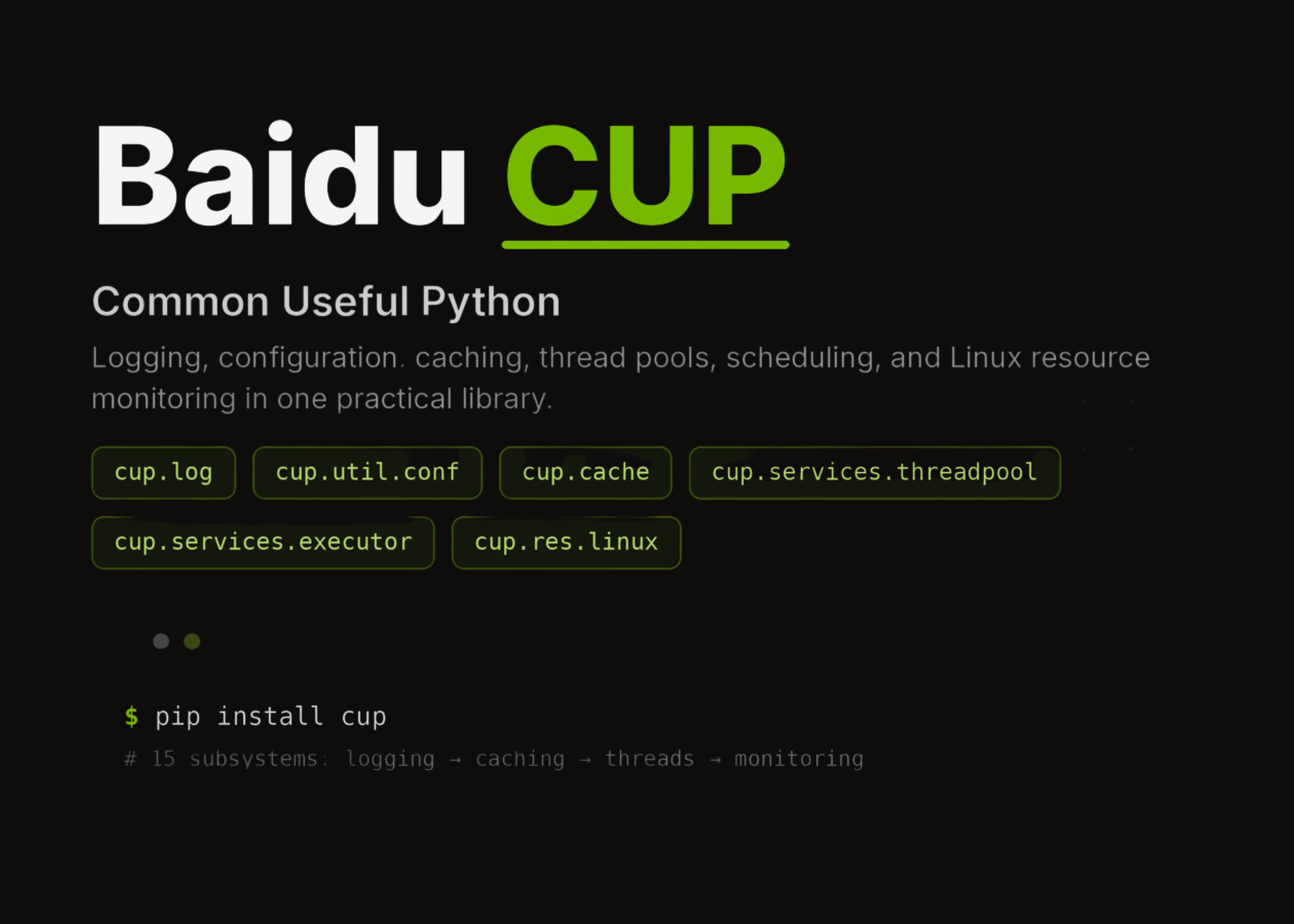
CUP (Common Useful Python): Building Reliable Python Workflows with Baidu’s Utility Toolkit
In this tutorial, we explore CUP, Baidu’s Common Useful Python library, as a practical utility toolkit for building stronger Python […]
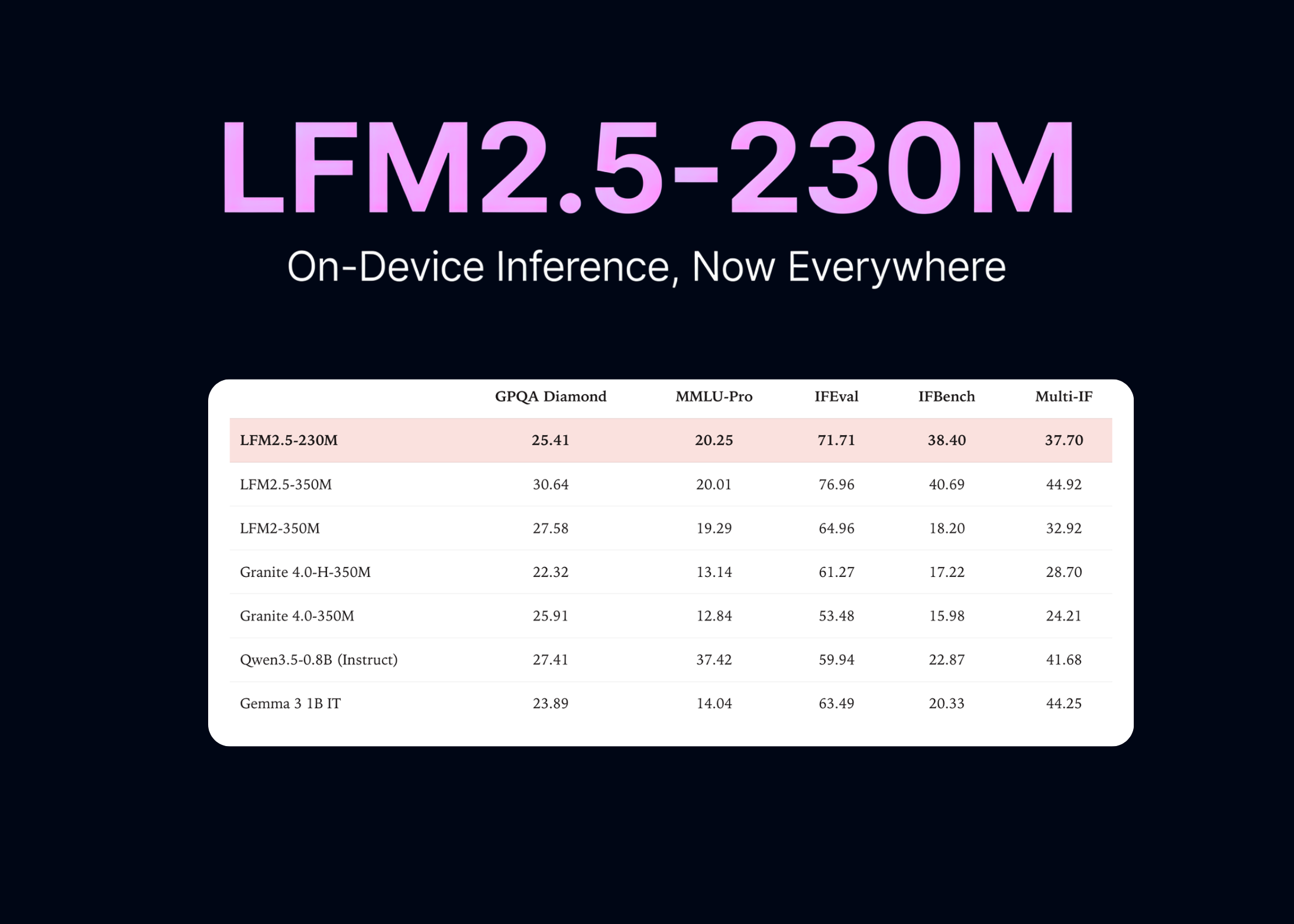
Liquid AI Ships LFM2.5-230M with llama.cpp, MLX, vLLM, SGLang, and ONNX Support for On-Device Inference
Liquid AI shipped LFM2.5-230M, it’s the company’s smallest model to date. The release targets a specific job: running agentic tasks […]
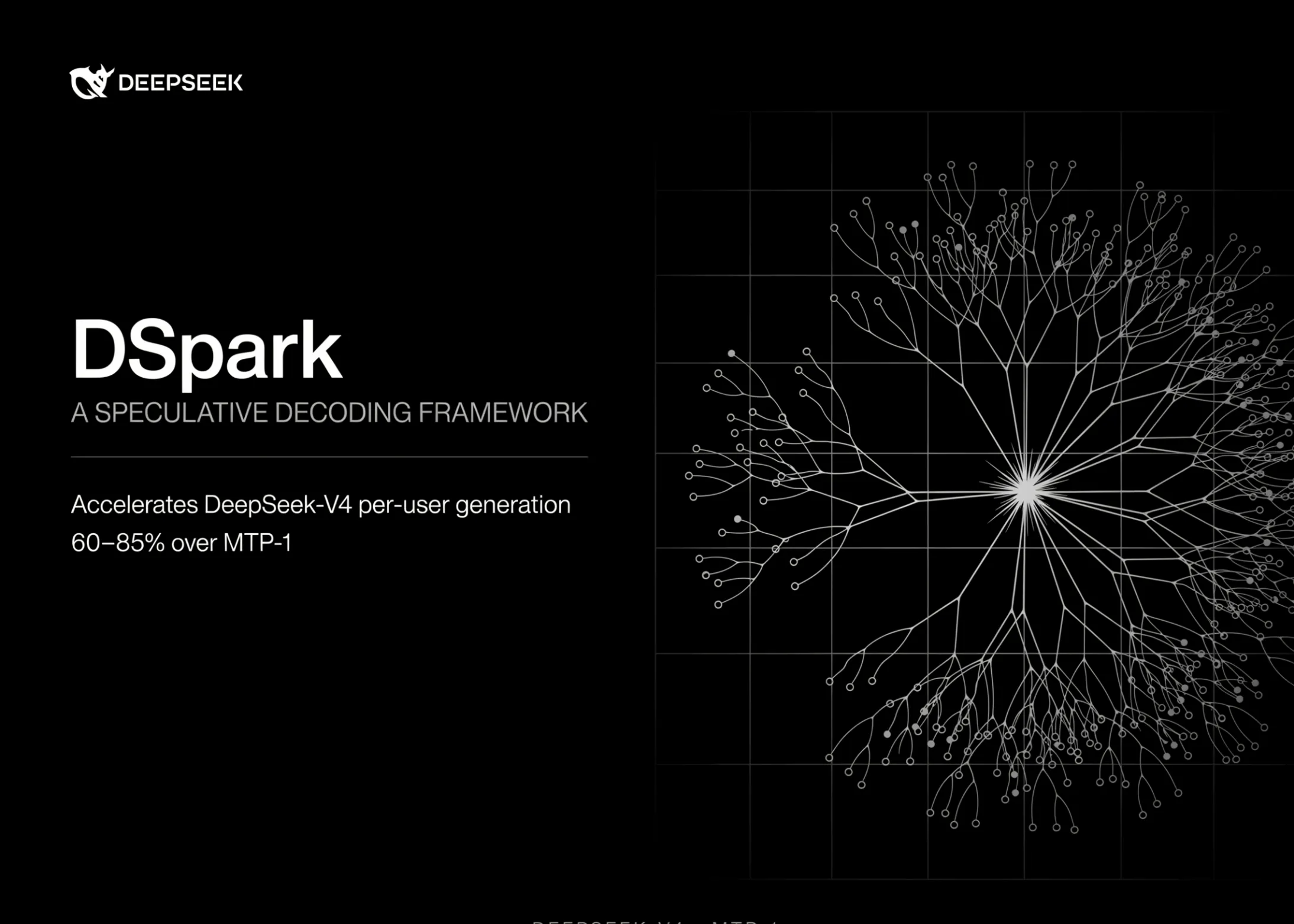
DeepSeek Releases DSpark, a Speculative Decoding Framework That Accelerates DeepSeek-V4 Per-User Generation 60–85% Over MTP-1
DeepSeek released DSpark, a speculative decoding framework, with open-source checkpoints and training code. It is a serving optimization, not a […]
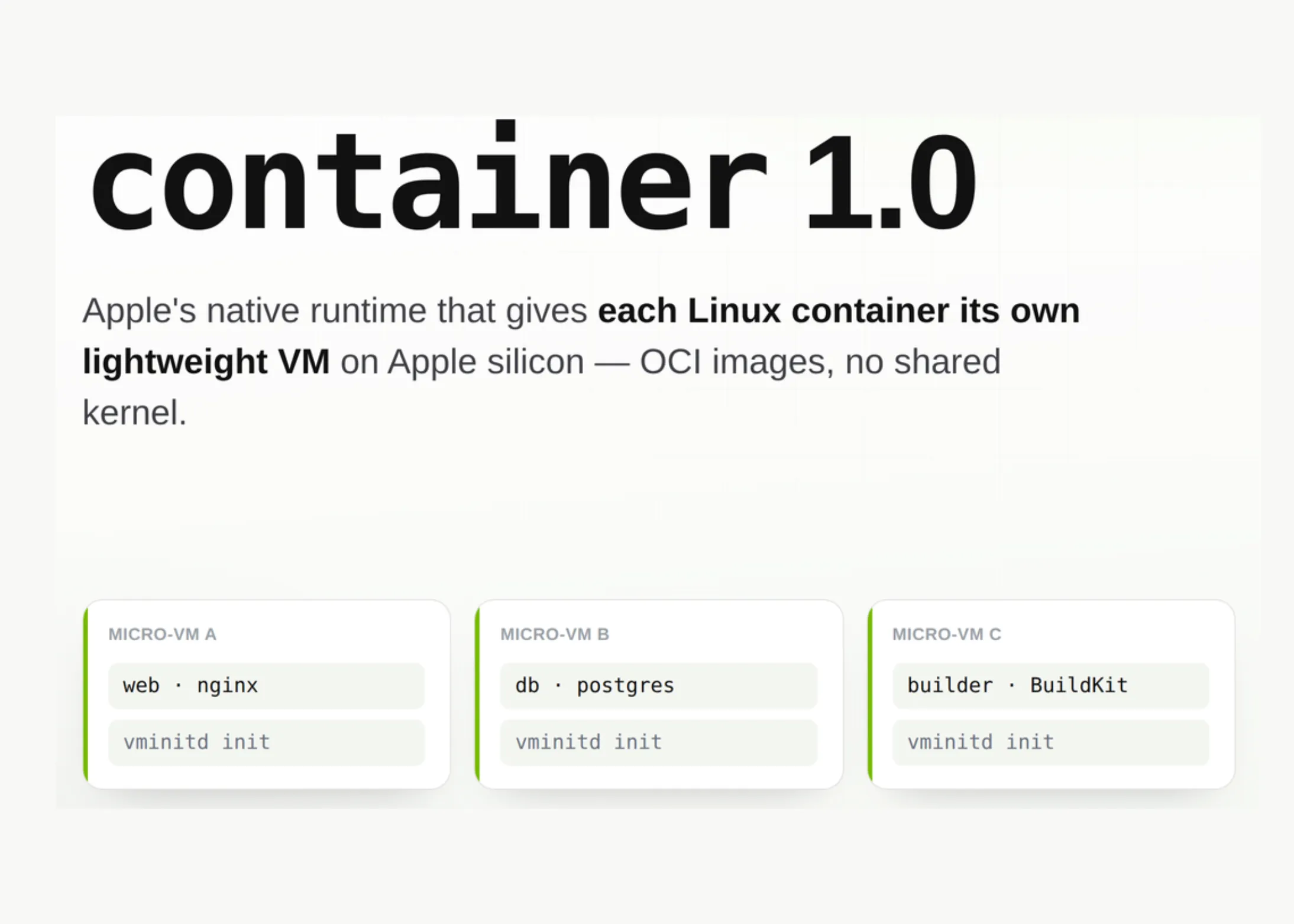
Meet container: Apple’s Open-Source Swift Tool for Running Linux Containers as Lightweight VMs on Apple Silicon
Apple research team recently released the container project. It is an open-source command-line tool written in Swift. It creates and […]