
Autoregressive large language models generate text one token at a time. Each token waits for the one before it. This […]
Category: AI infrastructure

Prime Intellect Releases prime-rl 0.6.0 to Train Trillion-Parameter MoE Models on Agentic RL Workloads
Prime Intellect has released prime-rl version 0.6.0. The framework targets reinforcement learning on trillion-parameter Mixture-of-Experts (MoE) models. It focuses on […]
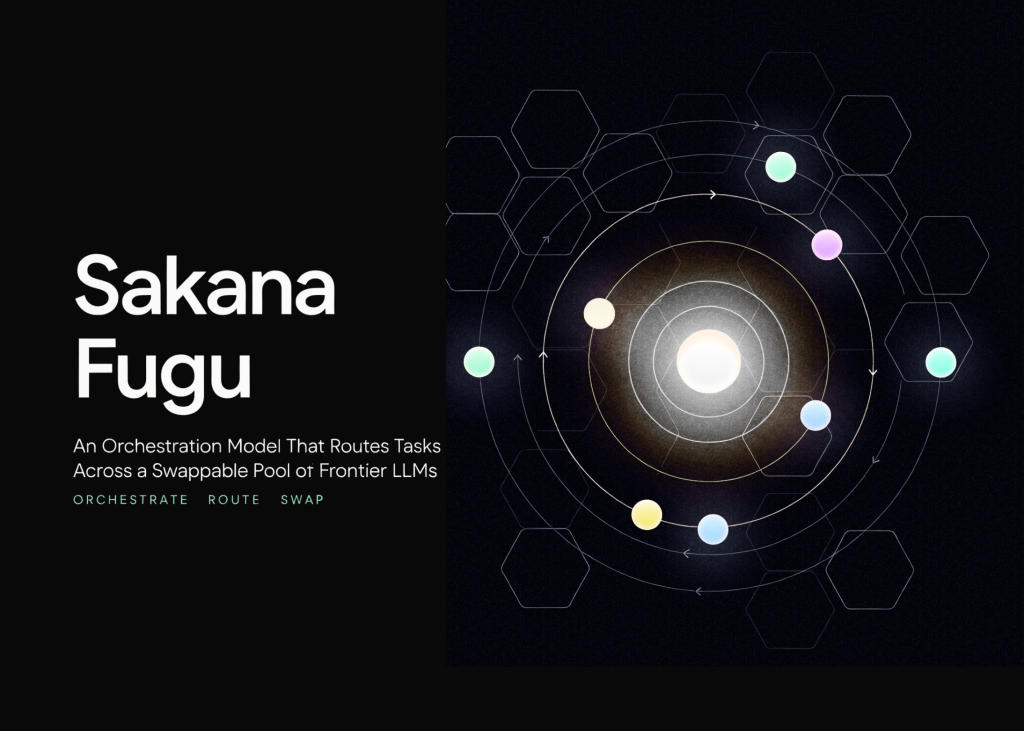
Sakana AI Launches Sakana Fugu: An Orchestration Model That Routes Tasks Across a Swappable Pool of Frontier LLMs
Today, Sakana AI launched Sakana Fugu. It is a multi-agent orchestration system that behaves like one model. You send a […]
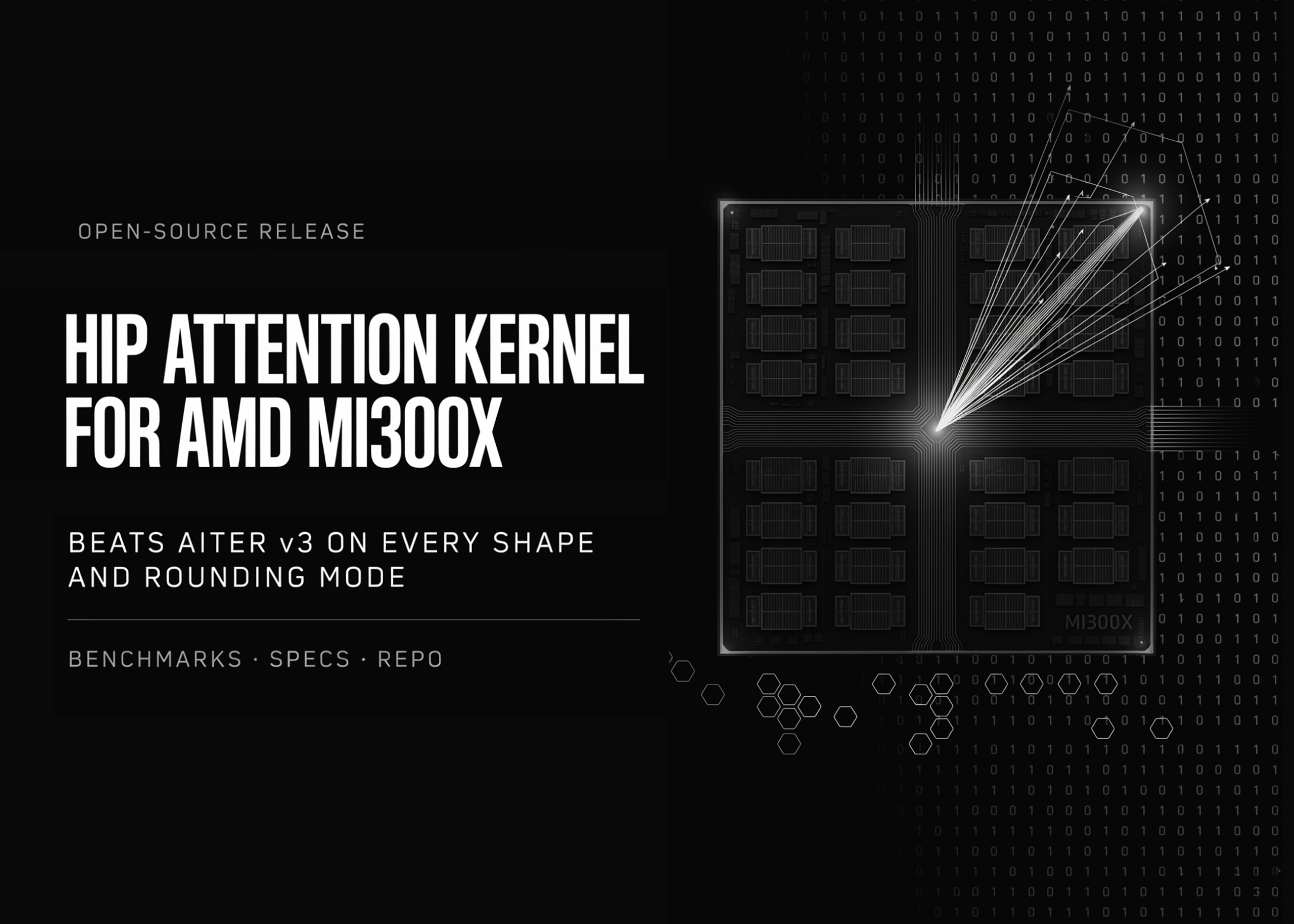
MoonMath AI Open-Sources a HIP Attention Kernel for AMD MI300X That Beats AITER v3 on Every Shape and Rounding Mode
MoonMath AI team has released a bf16 forward attention kernel for AMD’s MI300X GPU. It is written in HIP, not […]
NVIDIA AI Introduce SpatialClaw: A Training-Free Agent That Treats Code as the Action Interface for Spatial Reasoning
NVIDIA Research has released SpatialClaw, a training-free framework for spatial reasoning. It targets a persistent weakness in vision-language models (VLMs). […]
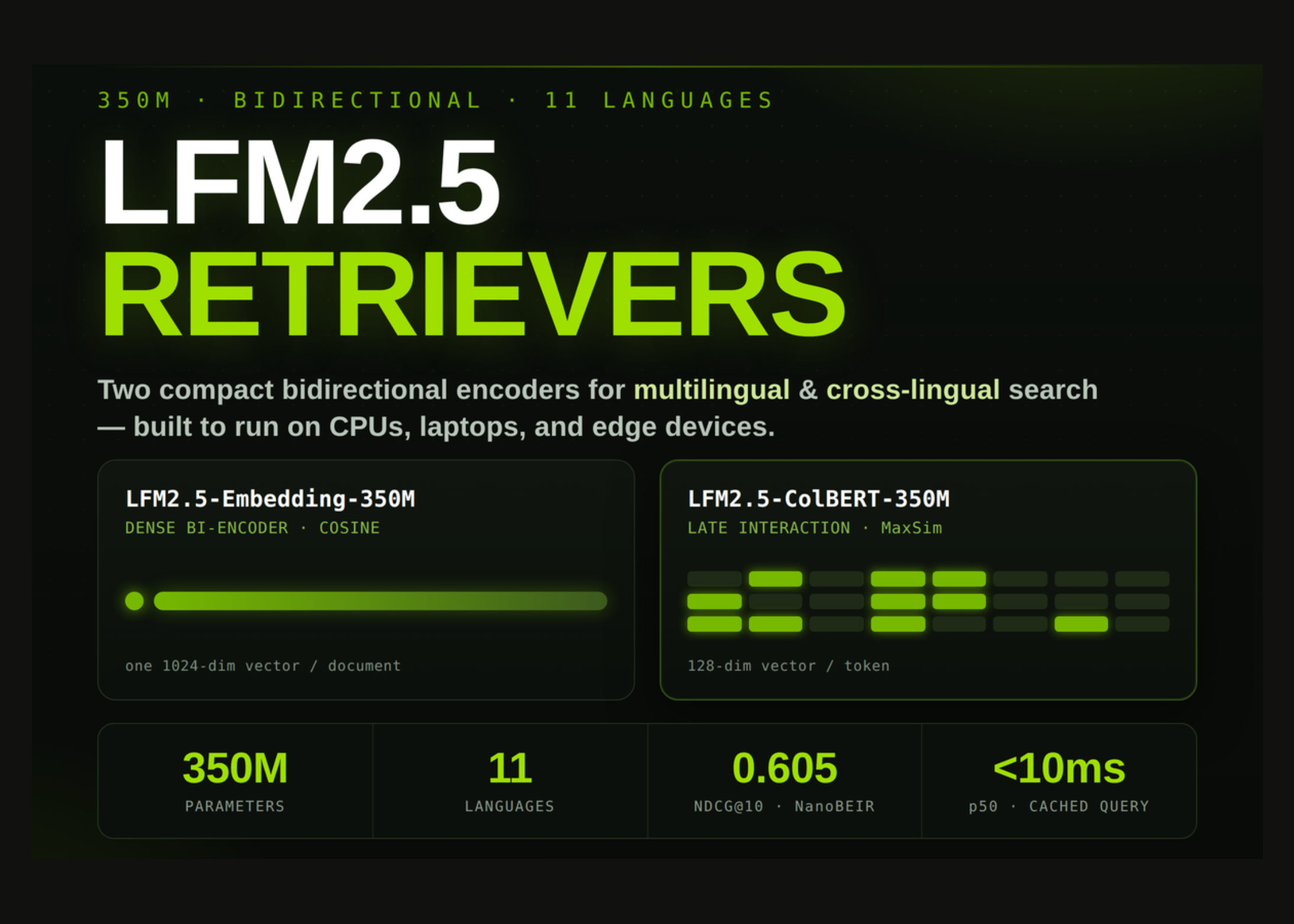
Liquid AI Introduces LFM2.5-Embedding-350M and LFM2.5-ColBERT-350M: Dense Bi-Encoder and Late-Interaction Models for Fast Multilingual Search Across 11 Languages
This week, Liquid AI released two new retrieval models. They are LFM2.5-ColBERT-350M and LFM2.5-Embedding-350M. Both hold 350M parameters. Both are […]
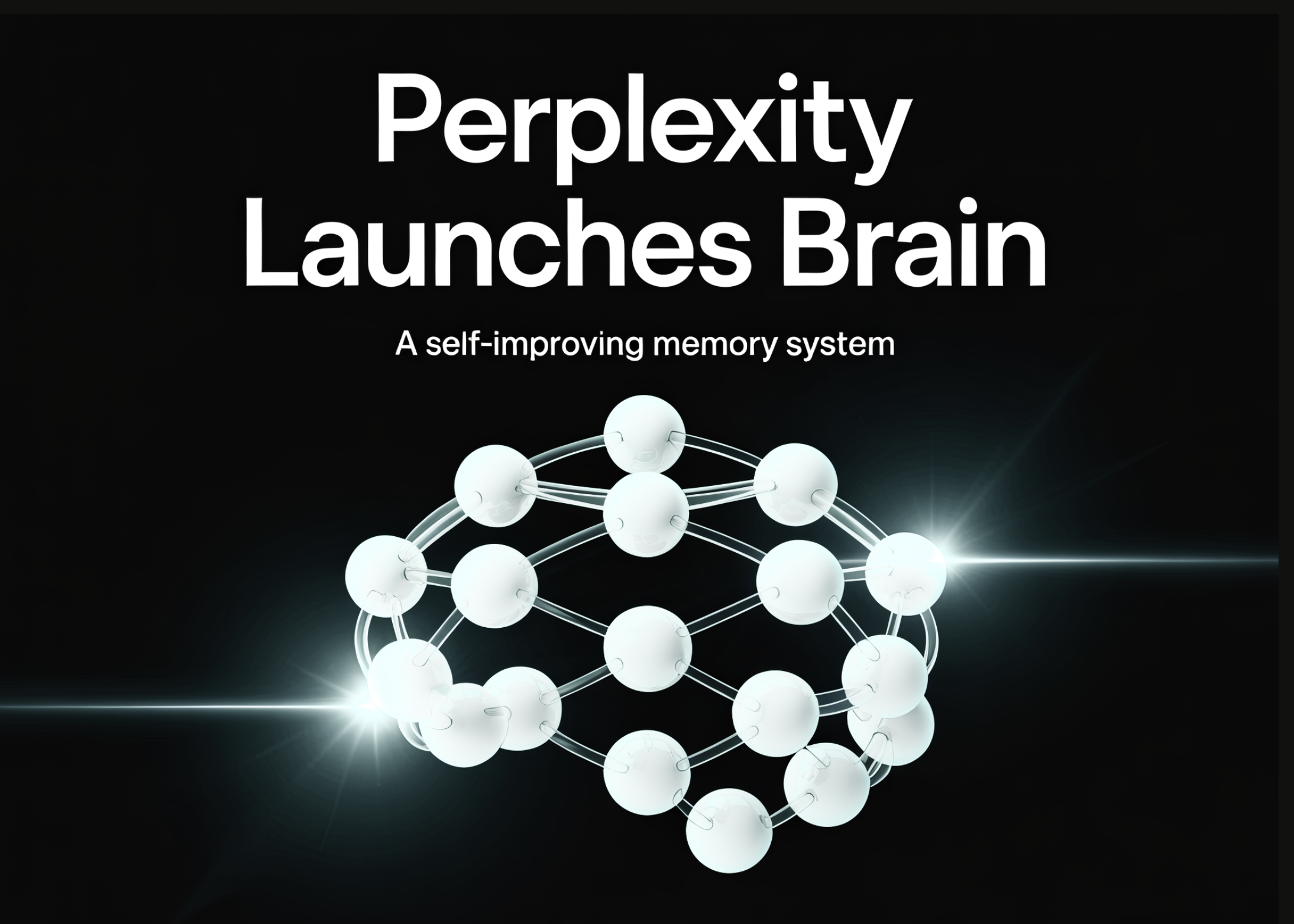
Perplexity Launches Brain, a Self-Improving Memory System That Builds a Context Graph of an Agent’s Work and Learns Overnight
Most AI memory remembers the user. It stores your preferences, your tastes, and your role. Perplexity is taking a different […]
The KV Cache Compression Race: TurboQuant vs OSCAR vs EpiCache
Long-context large language models (LLMs) face a memory bottleneck that has nothing to do with model weights. During decoding, transformers […]
MiniMax Sparse Attention (MSA): a Two-Branch Block-Sparse Attention Trained on a 109B-Parameter MoE With a 3T-Token Budget
MiniMax released MSA (MiniMax Sparse Attention), a sparse attention method built directly on Grouped Query Attention (GQA). It targets one […]
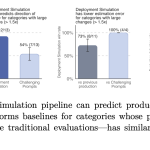
OpenAI’s Deployment Simulation Extends Pre-Deployment Risk Assessment to Agentic Coding Through Simulated Tool Calls
OpenAI published a new pre-deployment safety method called Deployment Simulation. The idea is direct. Before a model ships, simulate its […]