
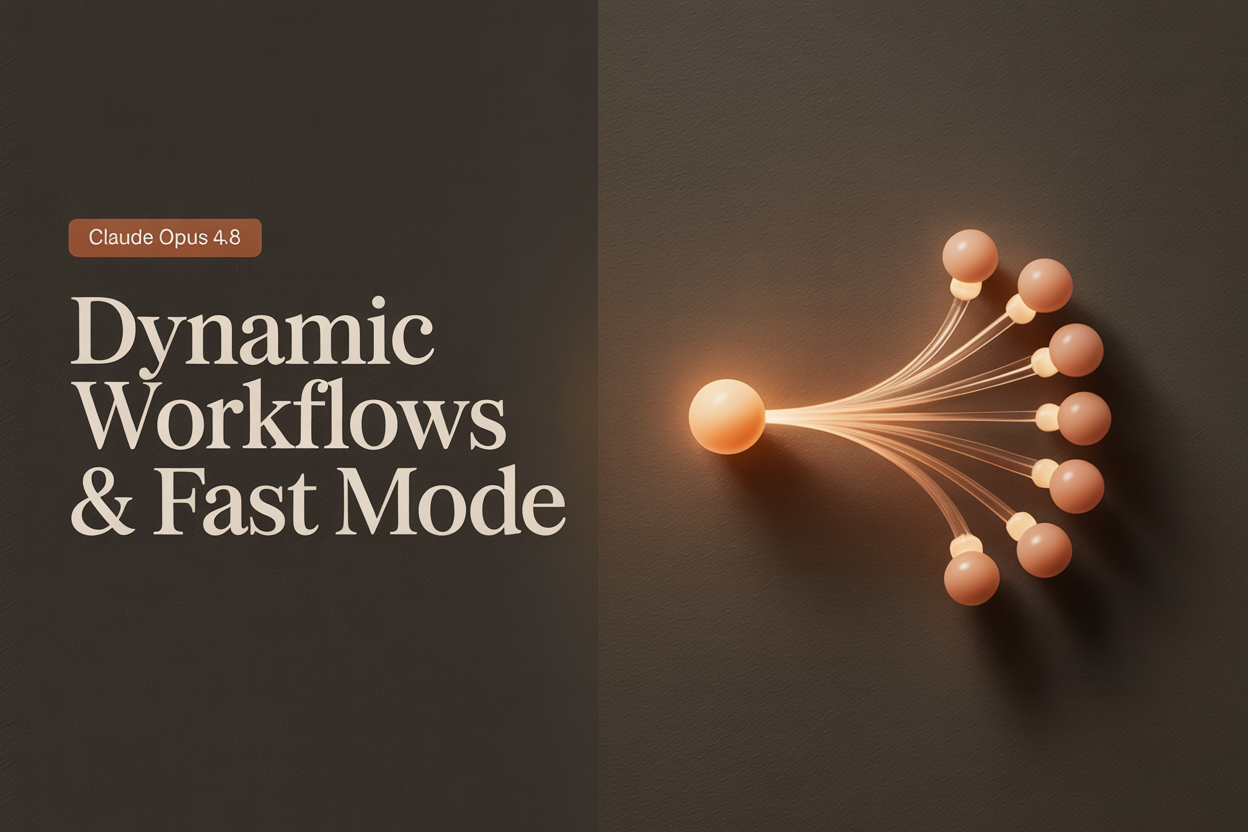
Anthropic just launched Claude Opus 4.8. Also, there two Claude Code updates shipped with it. Dynamic workflows run many subagents […]
Category: Applications
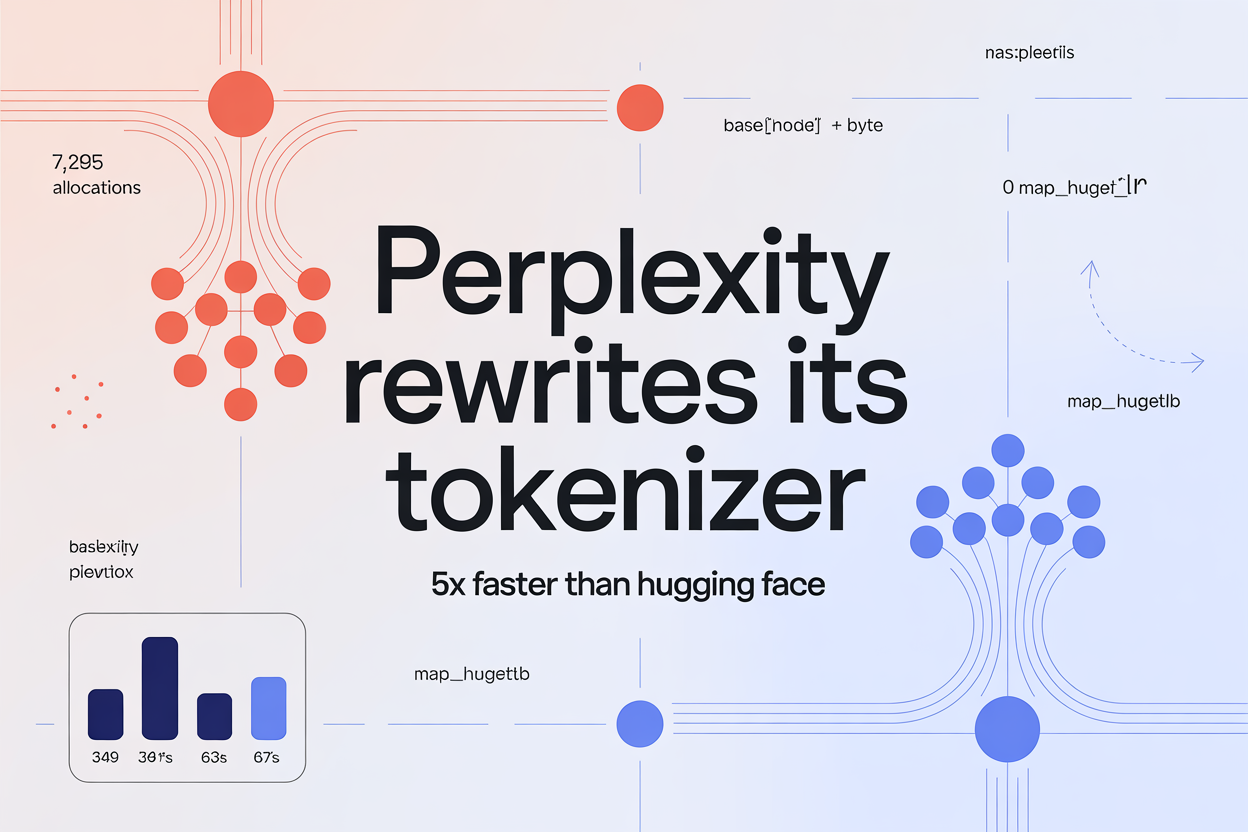
Perplexity AI Open-Sources Unigram Tokenizer That Achieves 5x Lower p50 Latency Than Hugging Face tokenizers Crate
Perplexity AI’s research team reimplemented their Unigram tokenizer from scratch in Rust and open-sourced the code in pplx-garden, their inference […]
A Coding Guide to Implement a pgvector-Powered Semantic, Hybrid, Sparse, and Quantized Vector Search System
In this tutorial, we build a complete pgvector playground inside Google Colab and explore how PostgreSQL can work as a […]
NVIDIA Releases Polar, a Token-Faithful Rollout Framework for GRPO Training Across Codex, Claude Code, and Qwen Code
Reinforcement learning for language agents is growing more complex. Agents now manage multi-turn tool use, long-running contexts, and multi-agent orchestration. […]
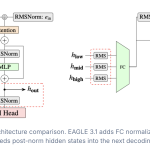
Meet EAGLE 3.1: The Speculative Decoding Algorithm That Fixes Attention Drift in LLM Inference
Speculative decoding is a technique for speeding up large language model inference. A small, fast draft model proposes several tokens. […]
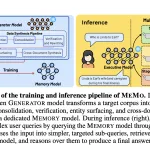
MEMO: A Modular Framework for Training a Dedicated Memory Model on New Knowledge Without Modifying LLM Parameters
Large language models become static after pretraining. Their knowledge does not update as the world changes. Retraining a full LLM […]
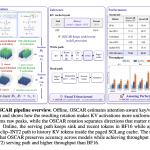
Together AI Open-Sources OSCAR: An Attention-Aware 2-Bit KV Cache Quantization System for Long-Context LLM Serving
Long-context inference makes the KV cache one of the main costs of serving LLMs. During autoregressive decoding, the cache grows […]
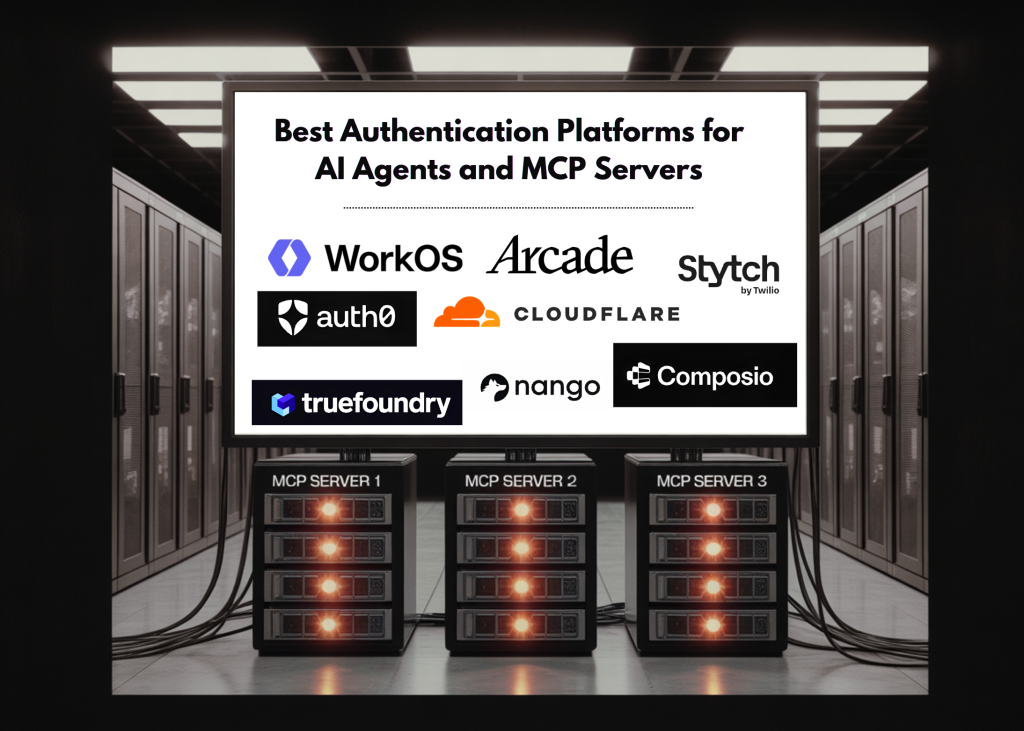
Best Authentication Platforms for AI Agents and MCP Servers in 2026
The Model Context Protocol has moved from Anthropic’s internal experiment to a de facto industry standard at a speed few […]
WorkOS Releases auth.md: An Open Agent Registration Protocol Built on OAuth Standards
For years, authentication on the web followed one design assumption: a human sits behind a browser. Click a button. Fill […]
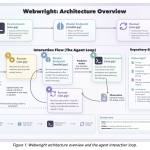
Microsoft Research Releases Webwright: A Terminal-Native Web Agent Framework That Scores 60.1% on Odysseys, Up from Base GPT-5.4’s 33.5%
Most web agents today drive a browser one action at a time. The model receives the current page state — […]