
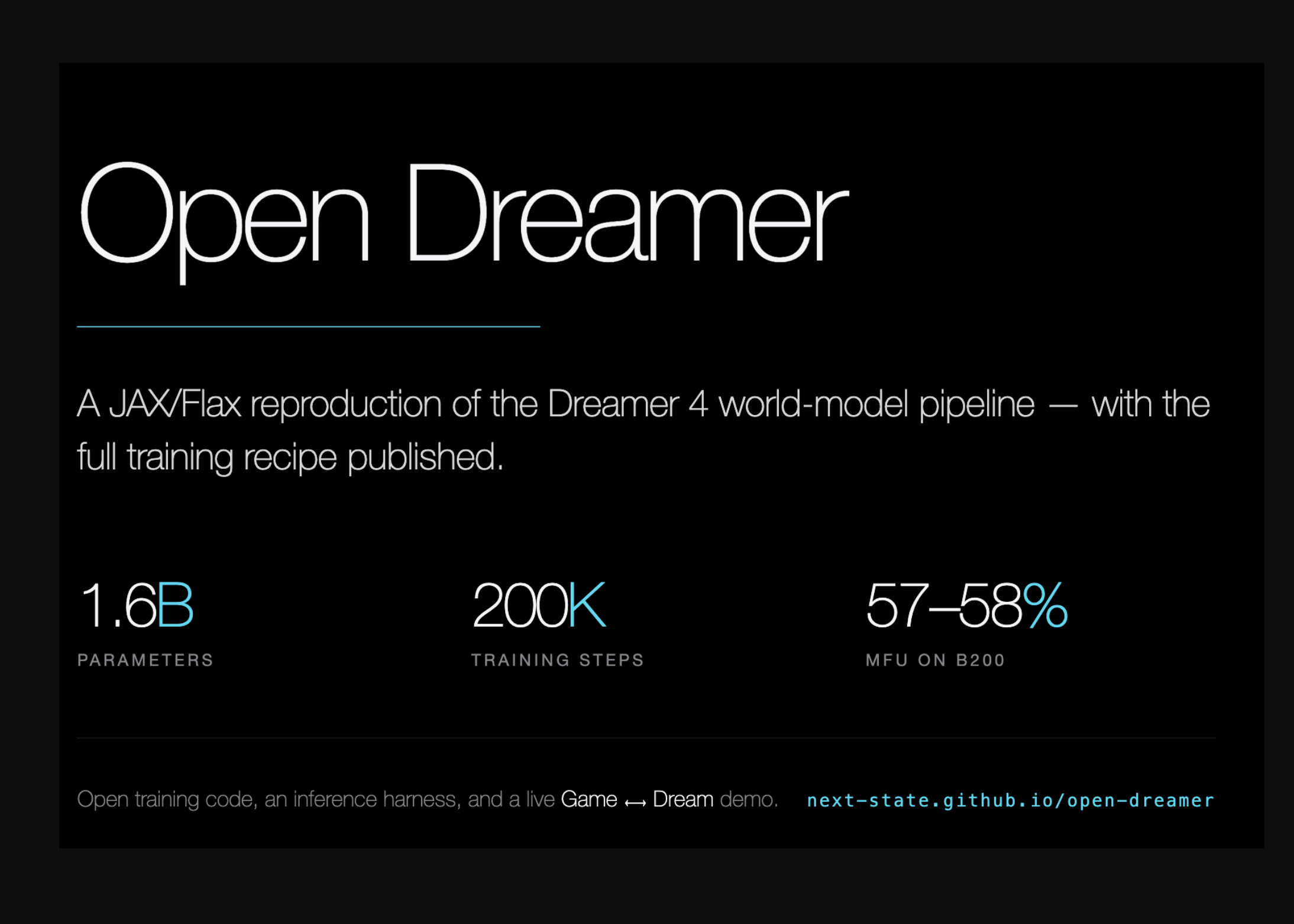
A small group of AI researchers (Reactor) have released Open Dreamer, an open implementation of the Dreamer 4 world-model pipeline […]
Category: AI infrastructure
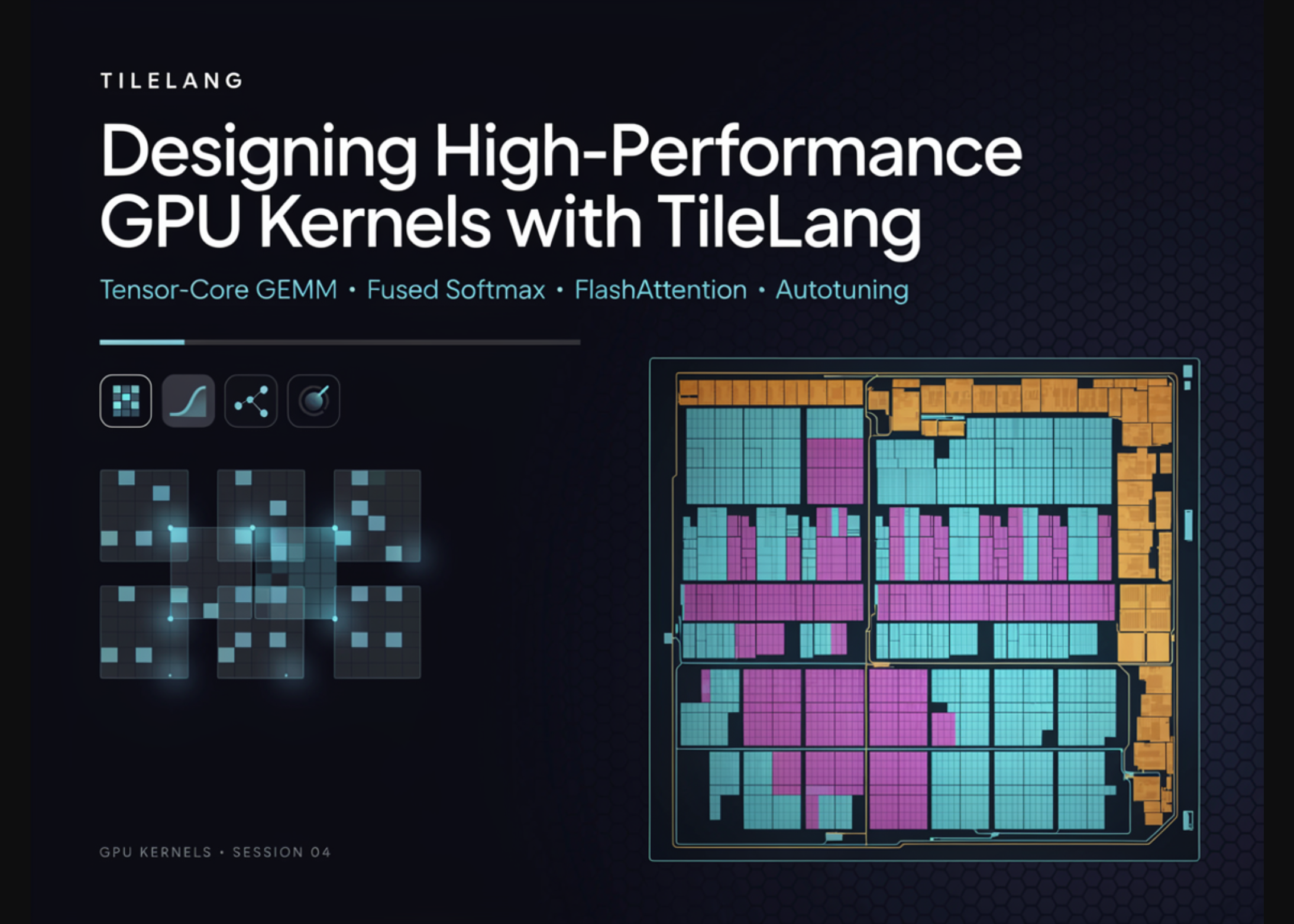
Designing High-Performance GPU Kernels with TileLang: Tensor-Core GEMM, Fused Softmax, FlashAttention, and Autotuning
In this tutorial, we explore TileLang as a high-level Python domain-specific language for designing and compiling performance-oriented GPU kernels through […]

How to Build an End-to-End OCR Pipeline with Baidu’s Unlimited-OCR for High-Resolution Images and Multi-Page PDF Parsing
In this tutorial, we build a complete workflow for running Baidu’s Unlimited-OCR model on document images and multi-page PDFs. We […]
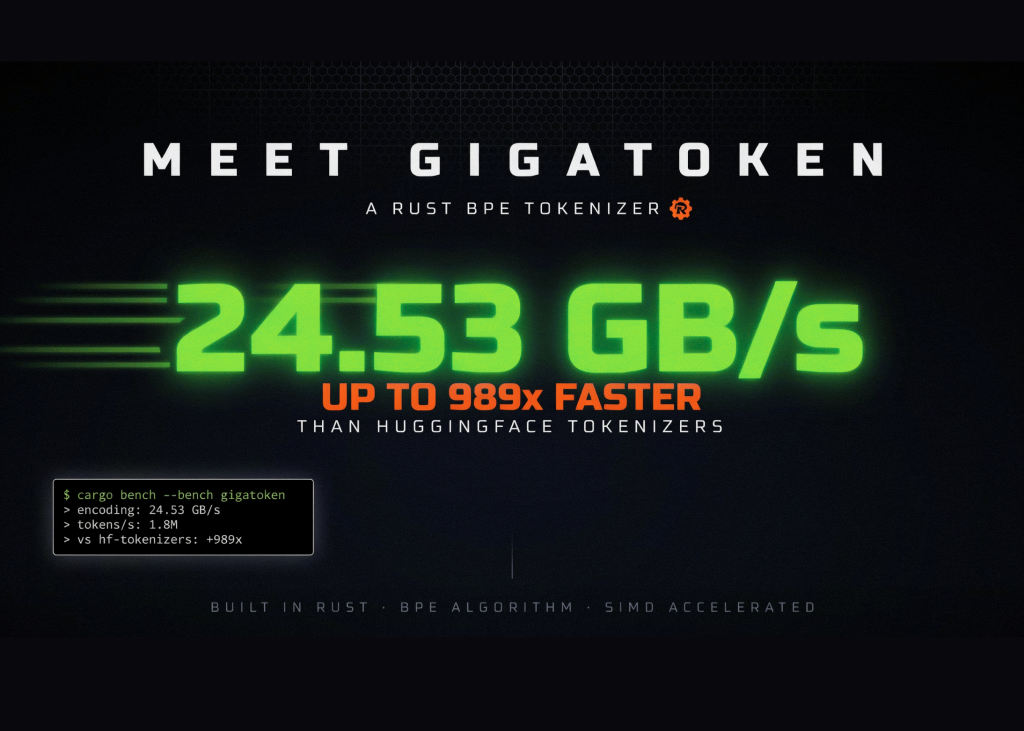
Meet Gigatoken: A Rust BPE Tokenizer that Encodes Text at 24.53 GB/s, up to 989x Faster than HuggingFace Tokenizers
Tokenization is the one part of the language modeling stack that almost nobody profiles. Gigatoken, released by Marcel Rød (a […]
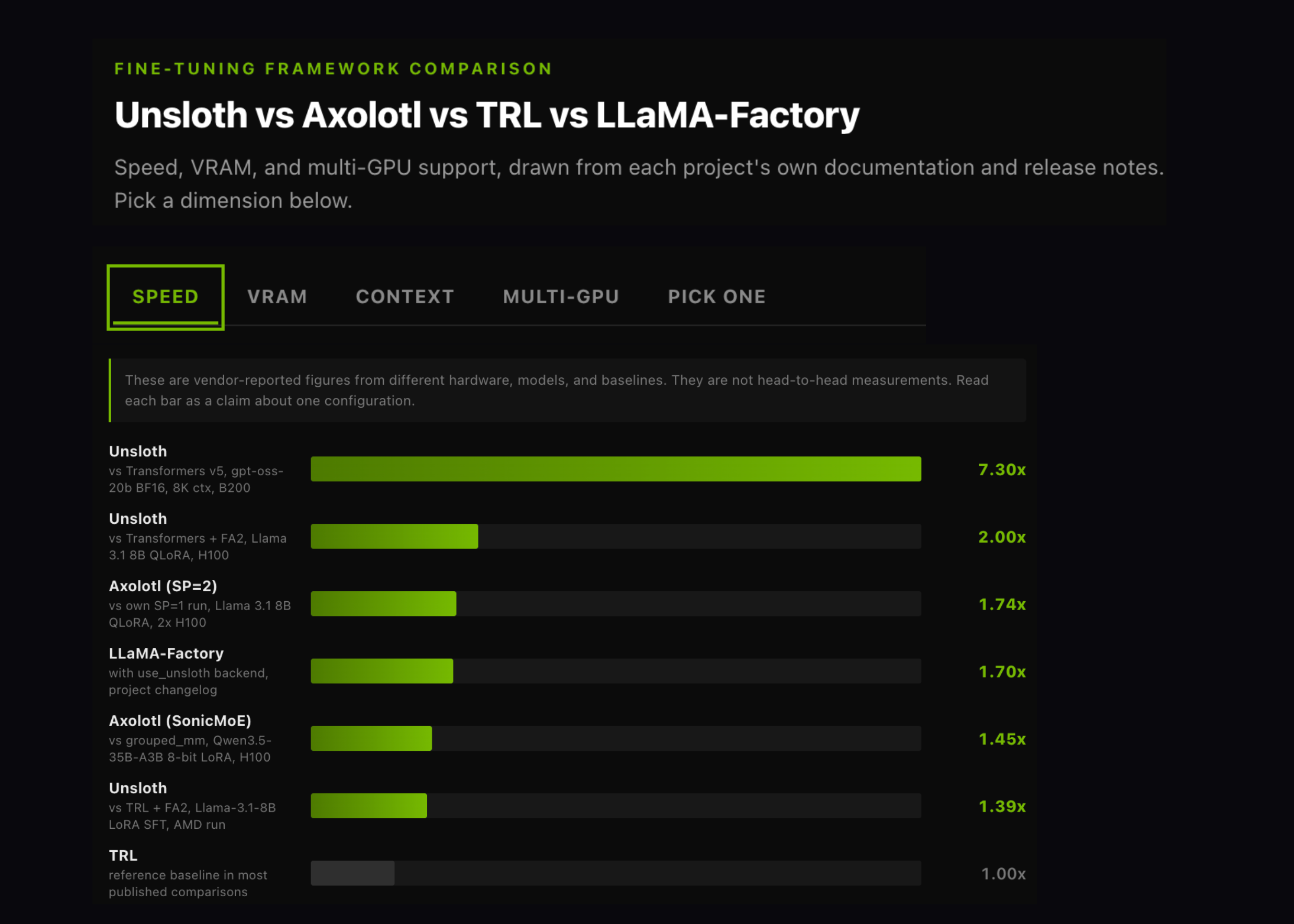
Unsloth vs Axolotl vs TRL vs LLaMA-Factory: A Fine-Tuning Framework Comparison on Speed, VRAM, and Multi-GPU
Four open source projects dominate LLM fine-tuning today. Unsloth, Axolotl, TRL, and LLaMA-Factory all wrap the same underlying PyTorch and […]
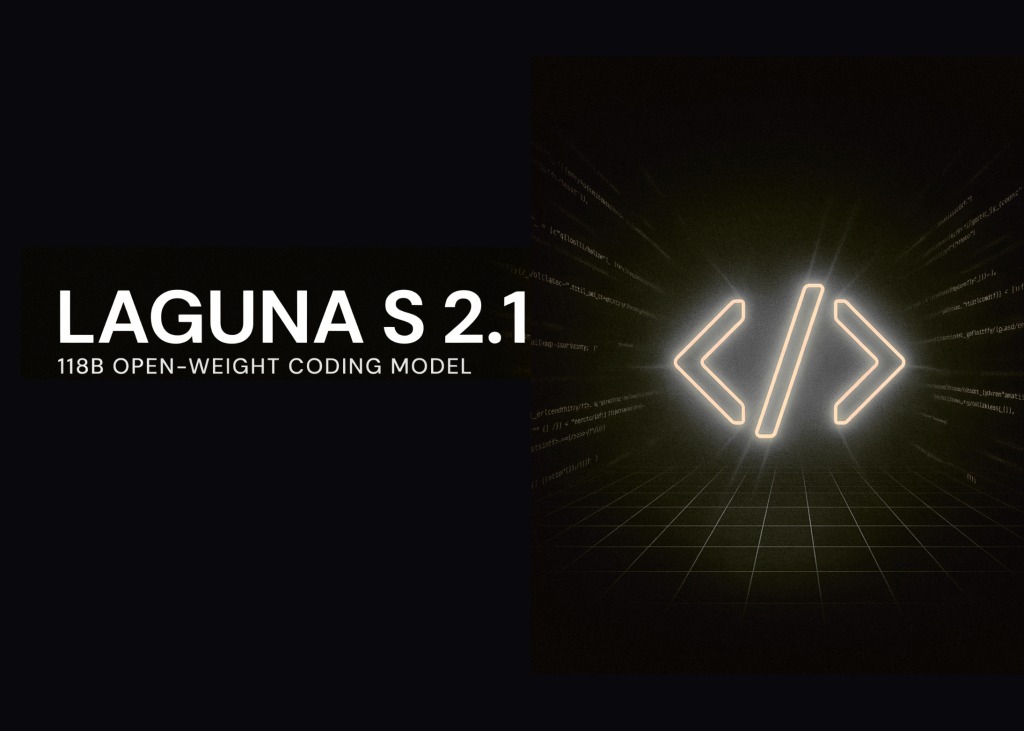
Poolside Releases Laguna S 2.1, an Open-Weight Agentic Coding Model Punching Above Its Weight Class on SWE-Bench Multilingual
Poolside has released Laguna S 2.1, a 118B-parameter open-weight model built for agentic coding. It is a Mixture-of-Experts (MoE) model […]
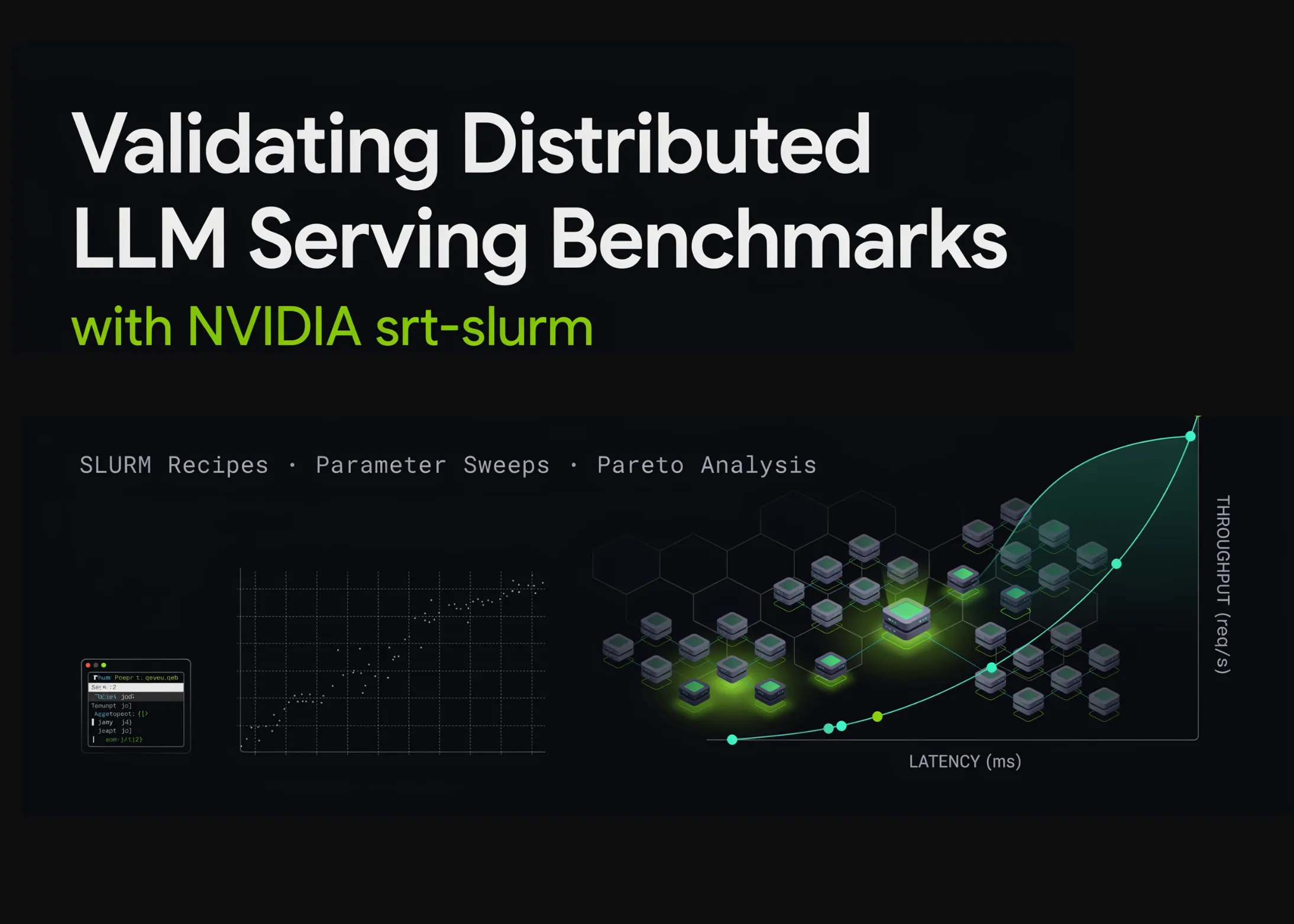
Validating Distributed LLM Serving Benchmarks with NVIDIA srt-slurm, SLURM Recipes, Parameter Sweeps, and Pareto Analysis
In this tutorial, we explore NVIDIA’s srt-slurm framework and learn how we use srtctl to convert declarative YAML configurations into […]
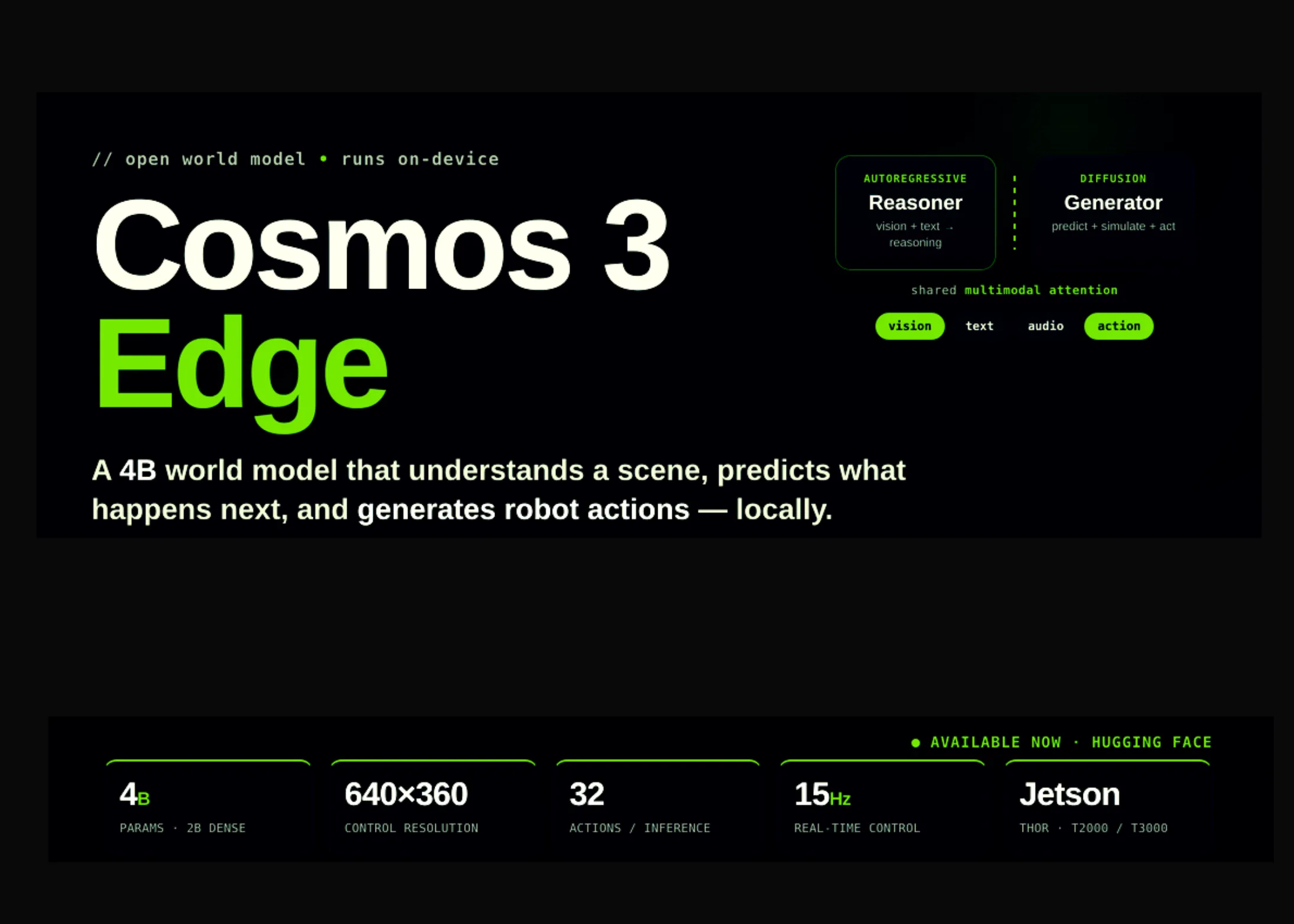
NVIDIA Releases Cosmos 3 Edge: A 4B-Parameter Open World Model That Reasons and Generates Robot Actions On-Device
NVIDIA has released Cosmos 3 Edge, a 4-billion-parameter open world model built to run on-device. It helps robots and vision […]

Best Local LLMs You Can Run on a Single 24GB GPU in 2026: Qwen, Gemma, Mistral, DeepSeek Compared
A single 24GB card is the practical floor for serious local inference. It is enough for genuinely capable models, and […]
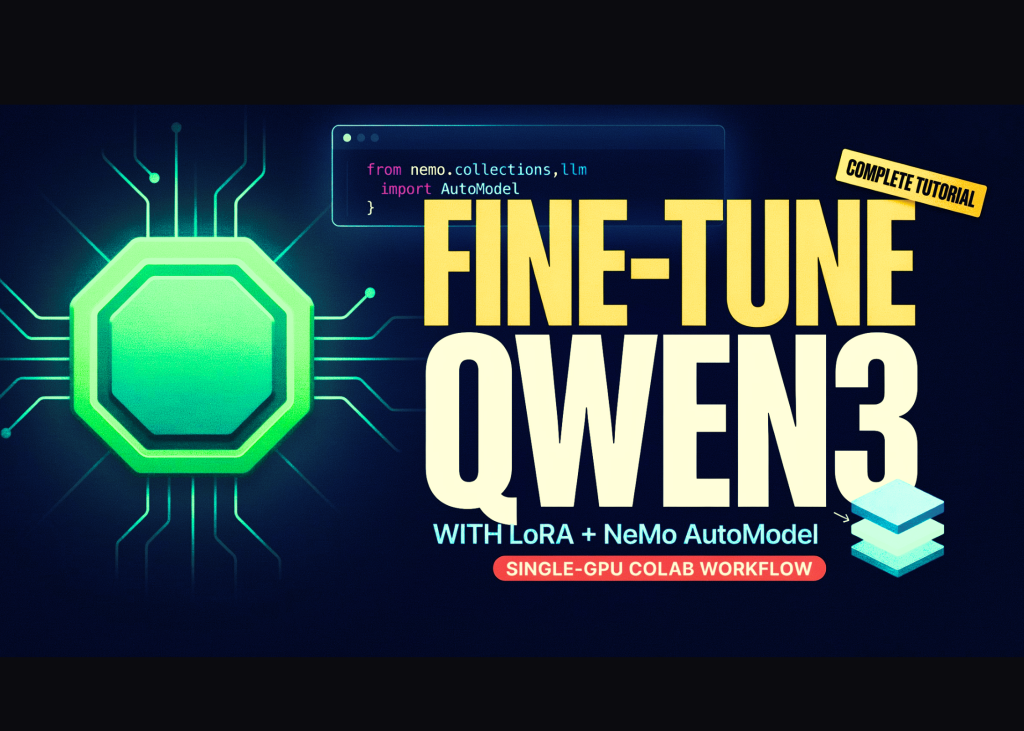
Fine-Tuning Qwen3 with LoRA Using NVIDIA NeMo AutoModel: A Complete Single-GPU Google Colab Workflow Tutorial
In this tutorial, we build an end-to-end NVIDIA NeMo AutoModel workflow in Google Colab and use a single GPU to […]