
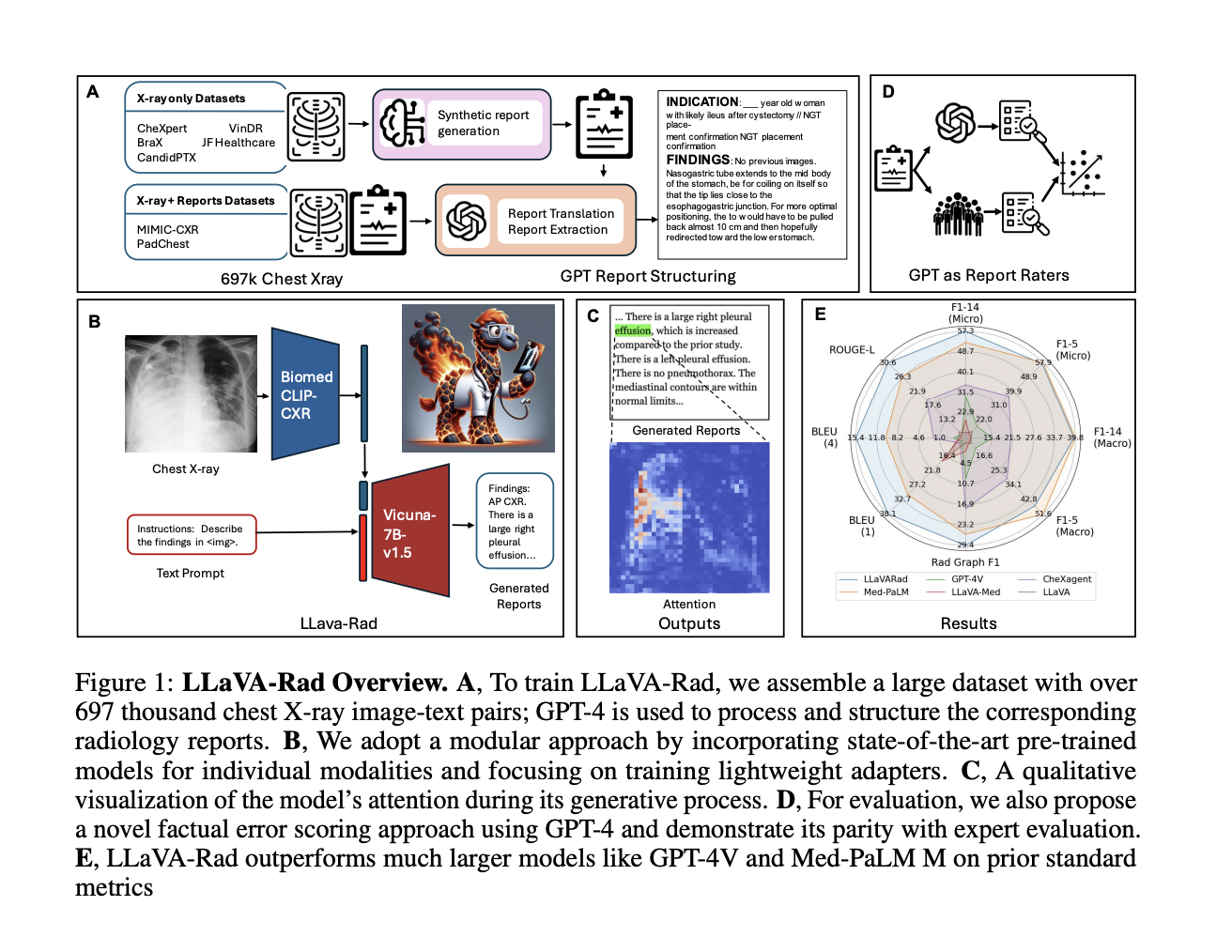
Large foundation models have demonstrated remarkable potential in biomedical applications, offering promising results on various benchmarks and enabling rapid adaptation […]
Category: Machine Learning
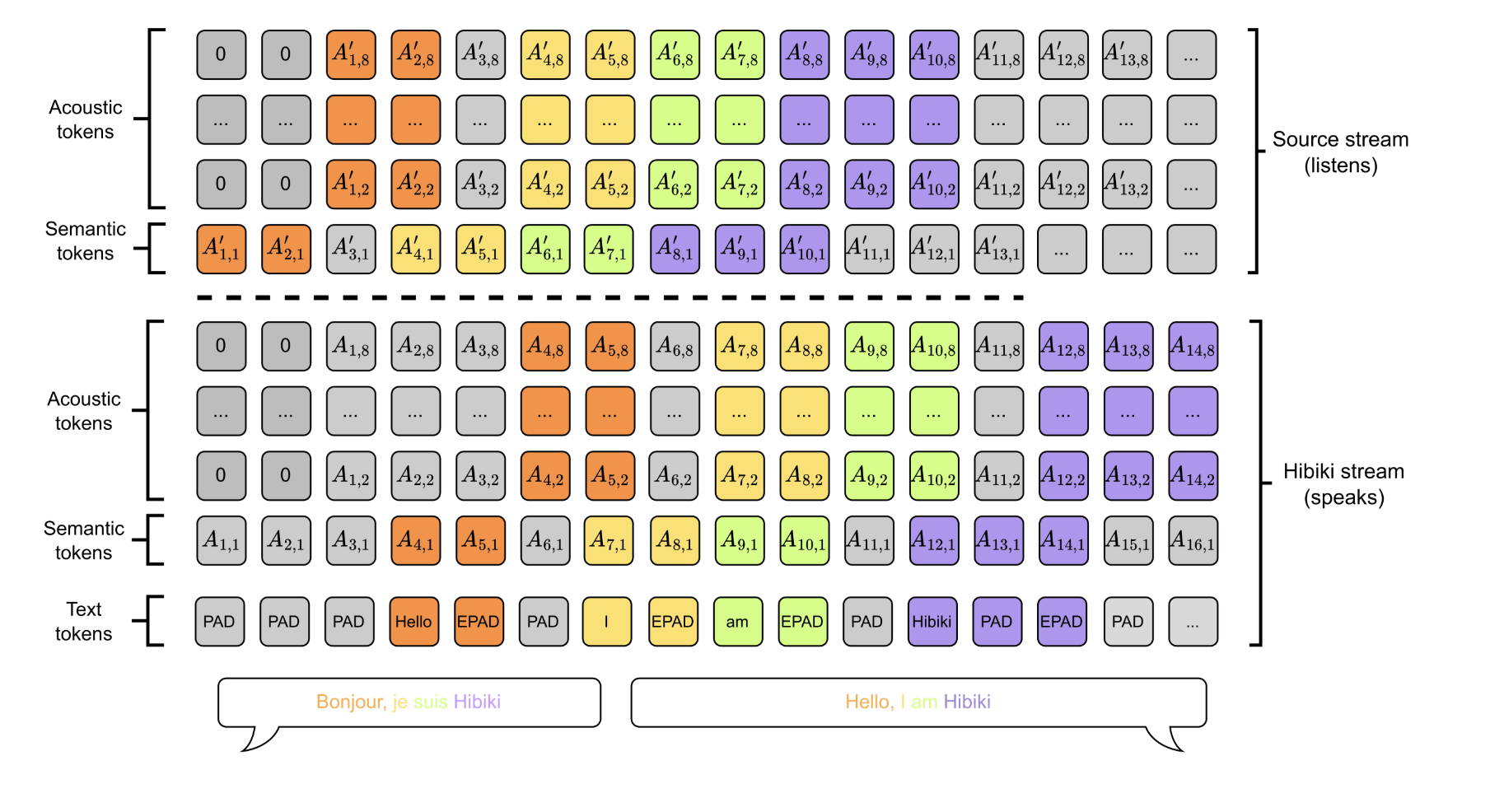
Kyutai Releases Hibiki: A 2.7B Real-Time Speech-to-Speech and Speech-to-Text Translation with Near-Human Quality and Voice Transfer
Real-time speech translation presents a complex challenge, requiring seamless integration of speech recognition, machine translation, and text-to-speech synthesis. Traditional cascaded […]
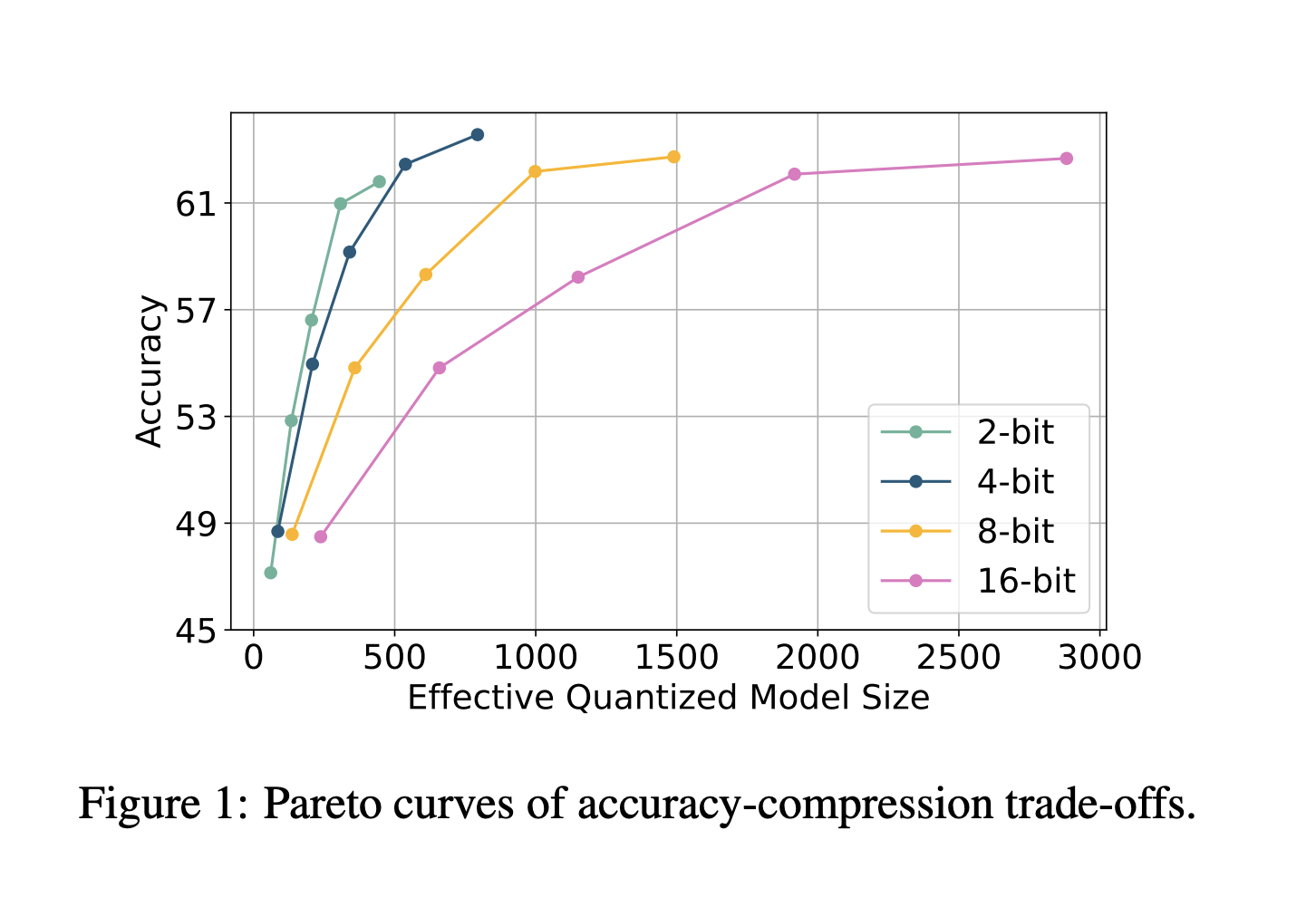
Meta AI Introduces ParetoQ: A Unified Machine Learning Framework for Sub-4-Bit Quantization in Large Language Models
As deep learning models continue to grow, the quantization of machine learning models becomes essential, and the need for effective […]

Sundial: A New Era for Time Series Foundation Models with Generative AI
Time series forecasting presents a fundamental challenge due to its intrinsic non-determinism, making it difficult to predict future values accurately. […]
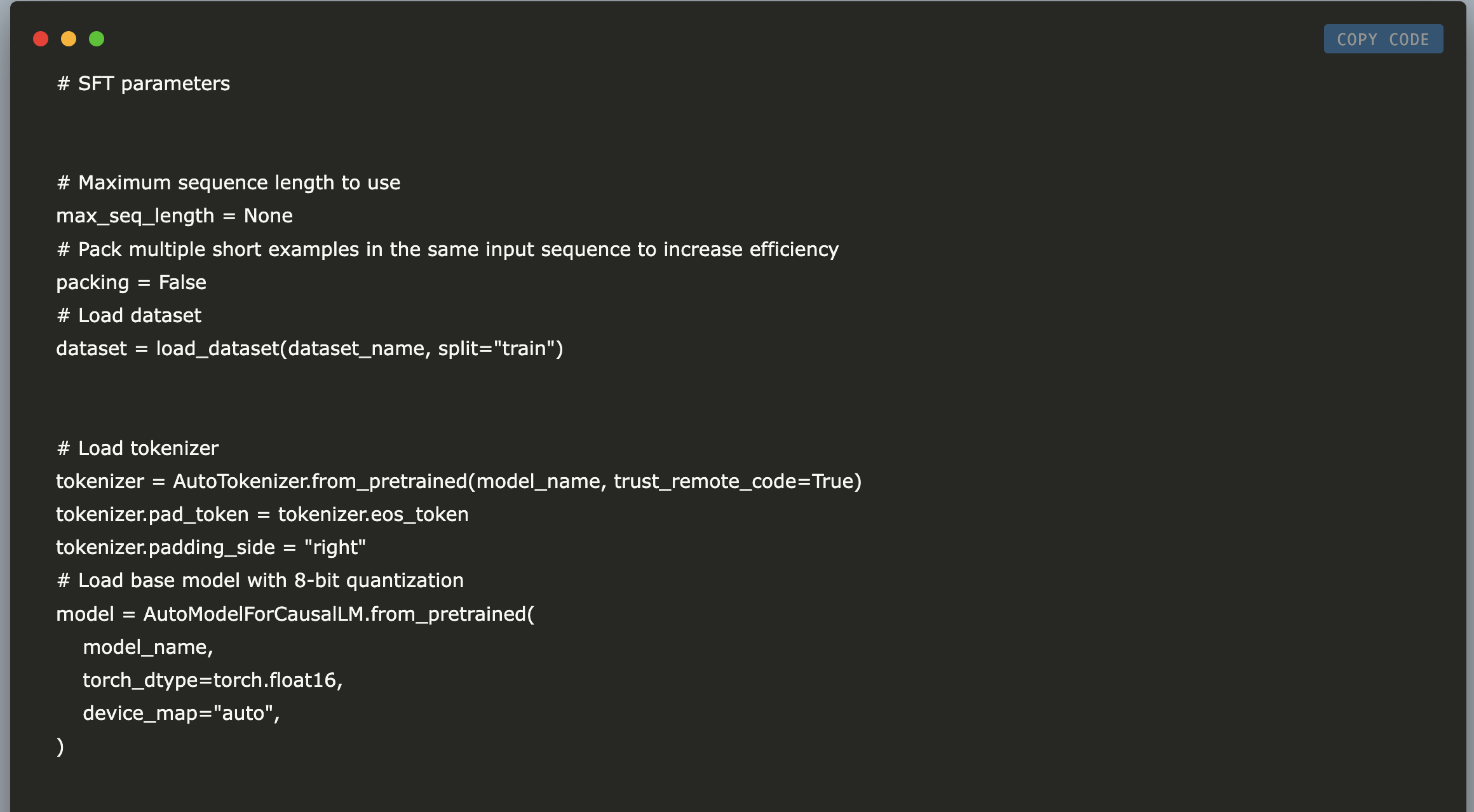
Fine-Tuning of Llama-2 7B Chat for Python Code Generation: Using QLoRA, SFTTrainer, and Gradient Checkpointing on the Alpaca-14k Dataset
In this tutorial, we demonstrate how to efficiently fine-tune the Llama-2 7B Chat model for Python code generation using advanced […]
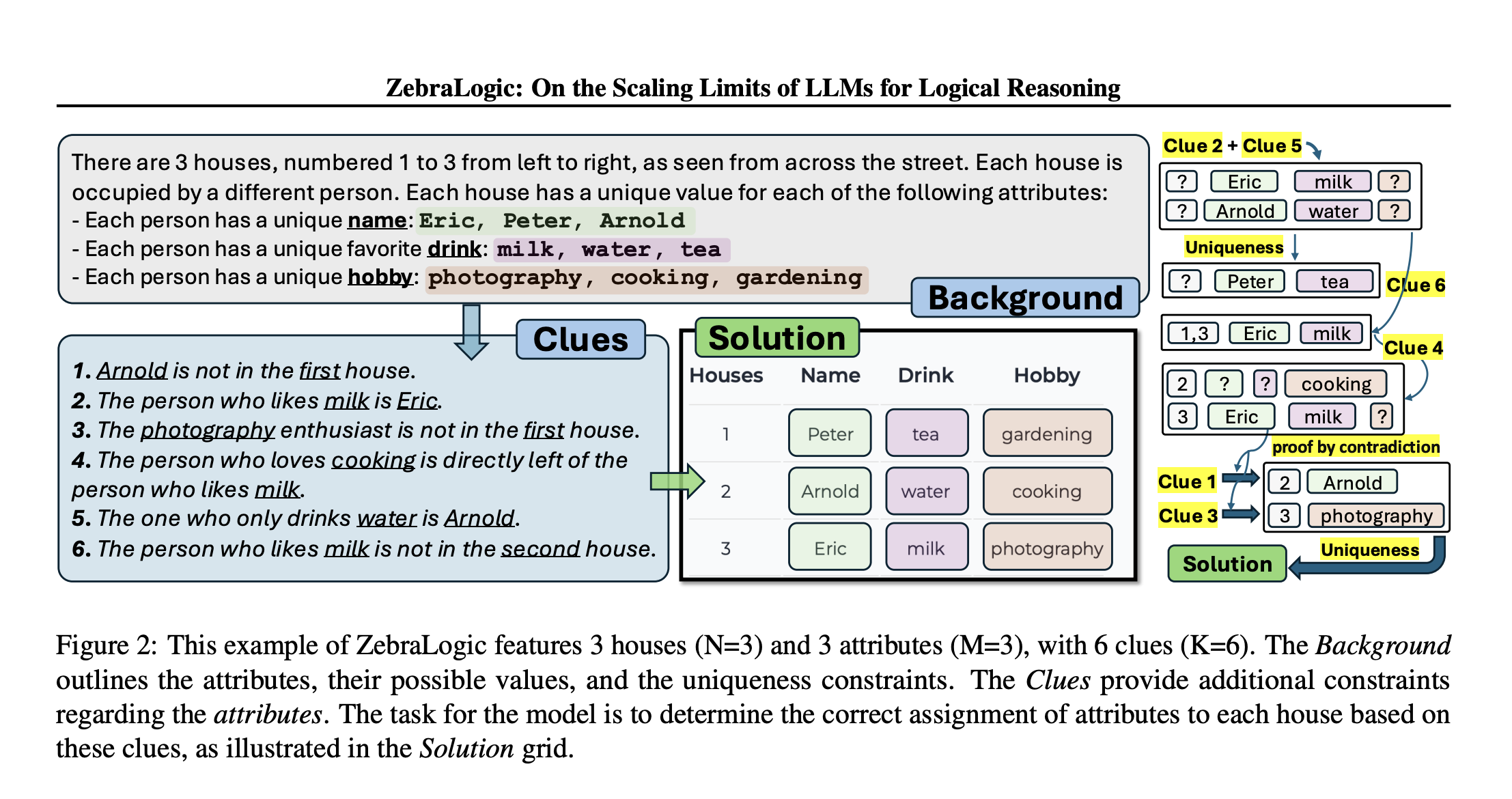
Meet ZebraLogic: A Comprehensive AI Evaluation Framework for Assessing LLM Reasoning Performance on Logic Grid Puzzles Derived from Constraint Satisfaction Problems (CSPs)
Logical reasoning remains a crucial area where AI systems struggle despite advances in processing language and knowledge. Understanding logical reasoning […]
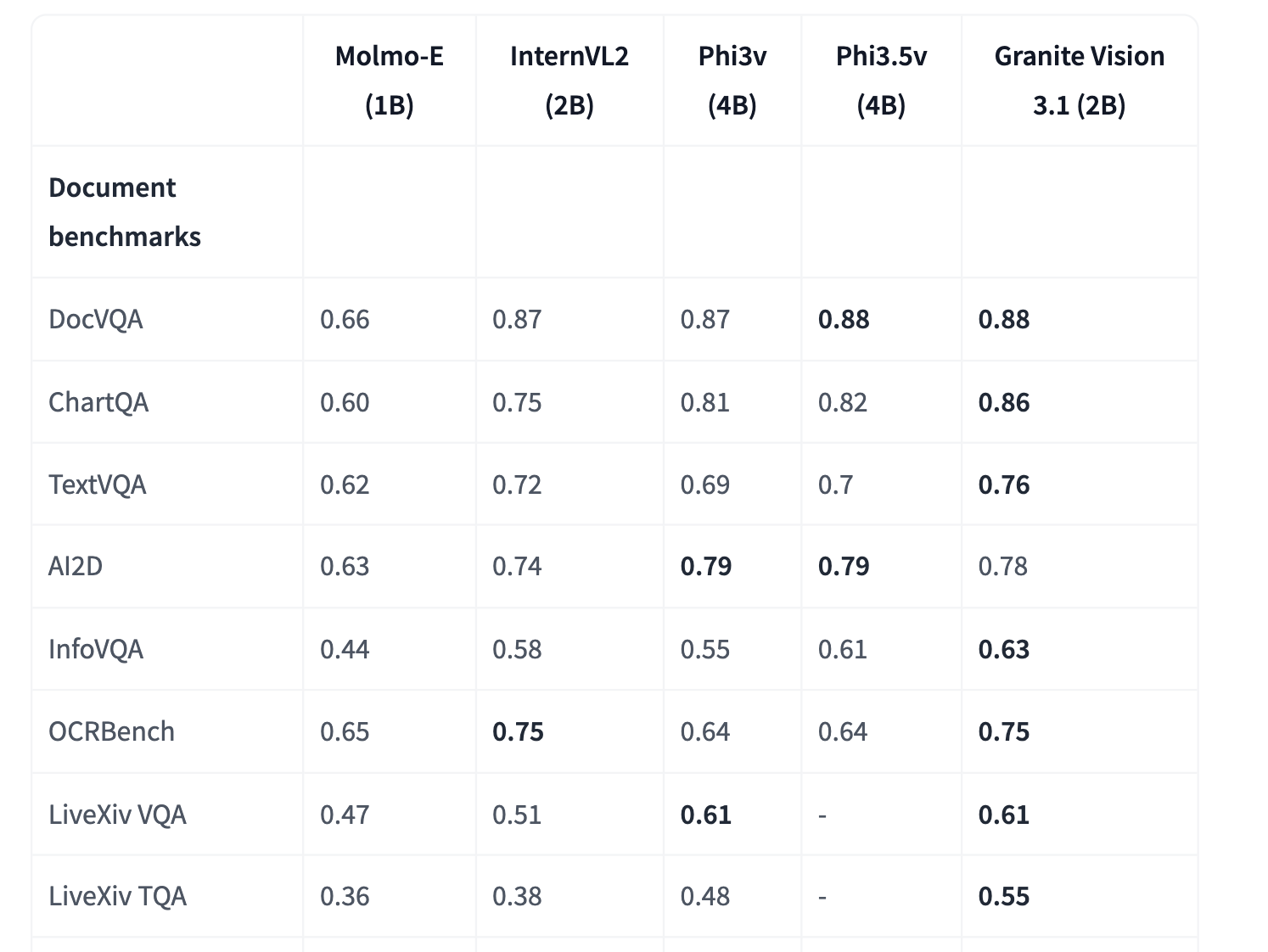
IBM AI Releases Granite-Vision-3.1-2B: A Small Vision Language Model with Super Impressive Performance on Various Tasks
The integration of visual and textual data in artificial intelligence presents a complex challenge. Traditional models often struggle to interpret […]
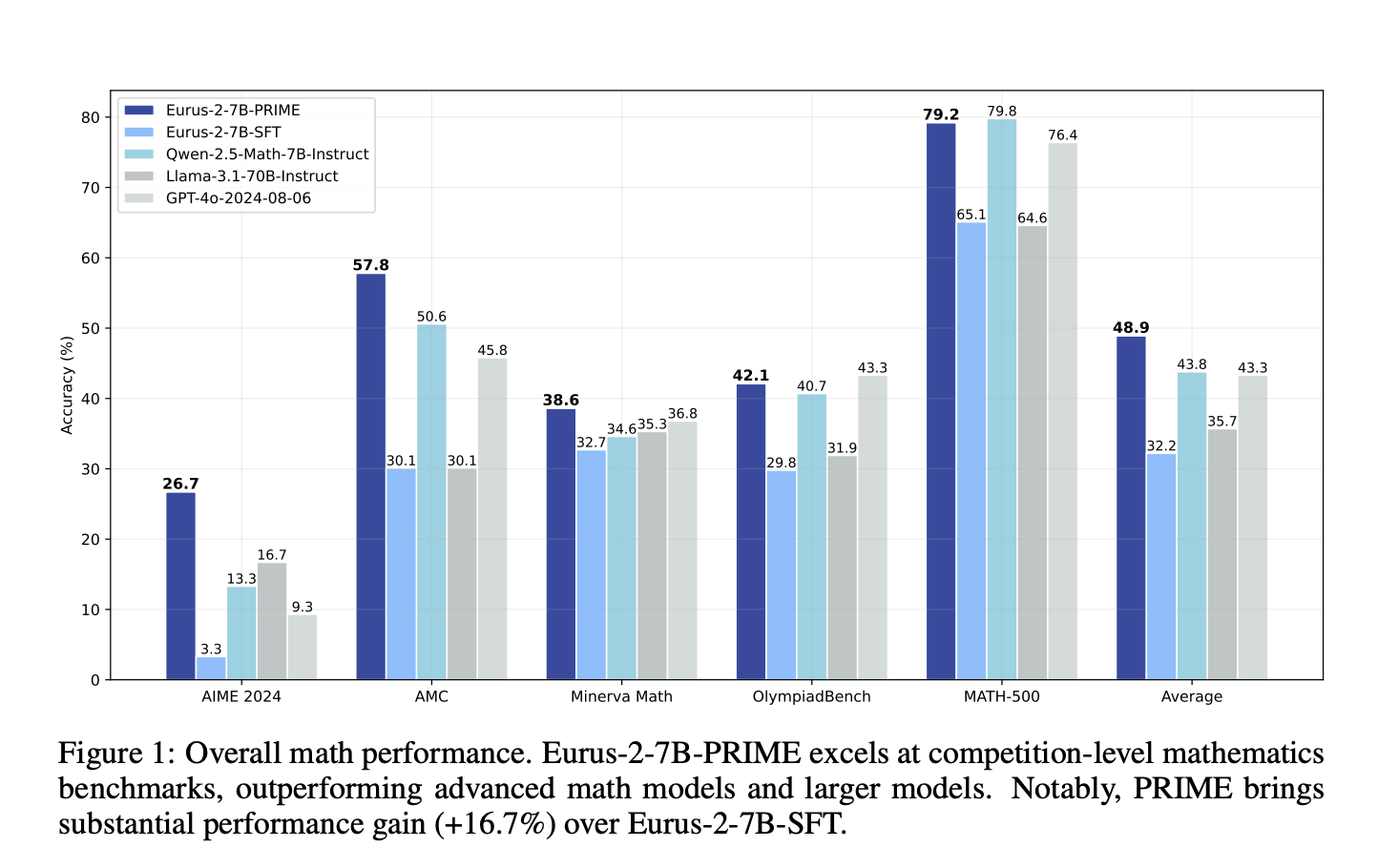
Process Reinforcement through Implicit Rewards (PRIME): A Scalable Machine Learning Framework for Enhancing Reasoning Capabilities
Reinforcement learning (RL) for large language models (LLMs) has traditionally relied on outcome-based rewards, which provide feedback only on the […]

Unraveling Direct Alignment Algorithms: A Comparative Study on Optimization Strategies for LLM Alignment
Aligning large language models (LLMs) with human values remains difficult due to unclear goals, weak training signals, and the complexity […]
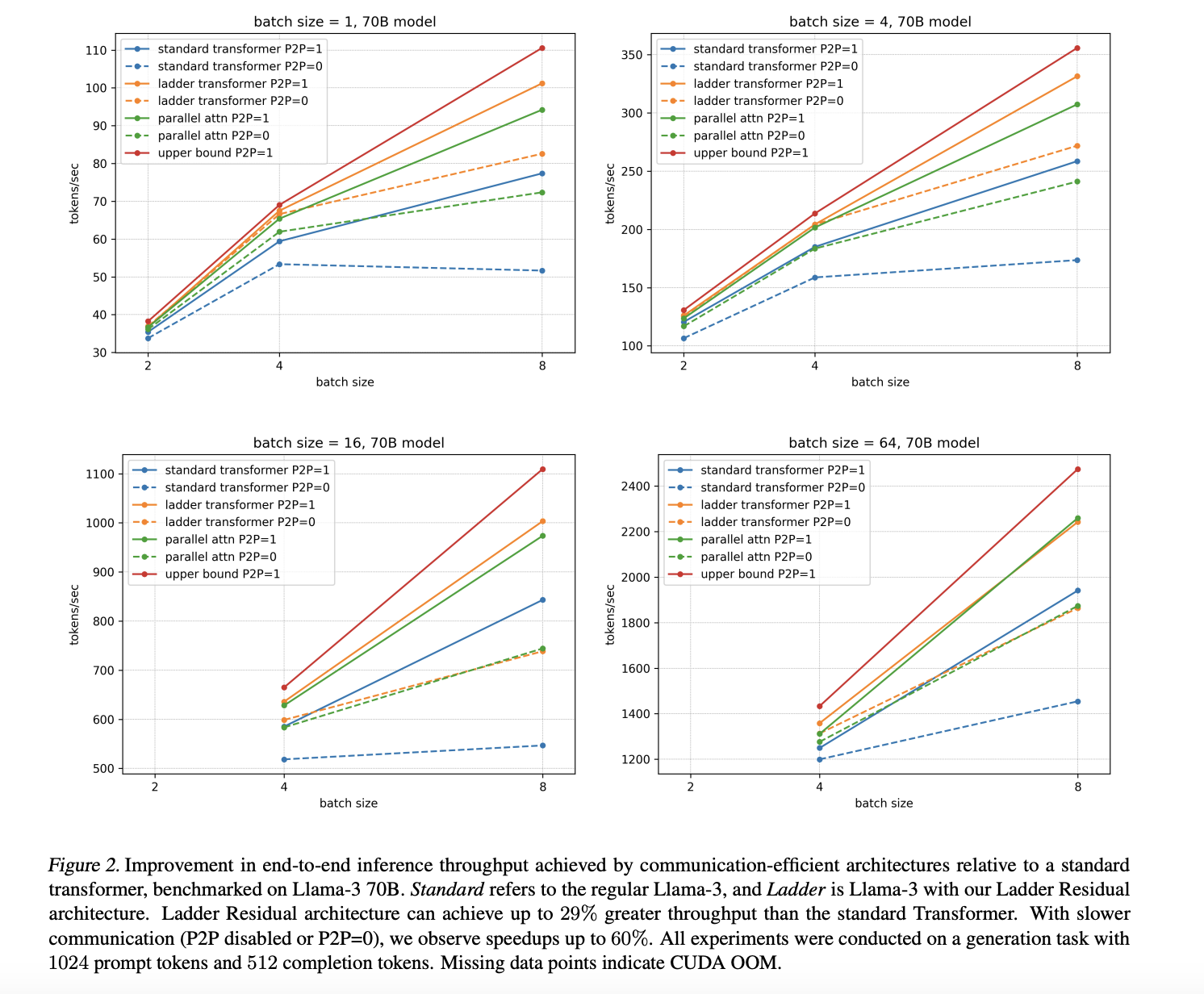
Optimizing Large Model Inference with Ladder Residual: Enhancing Tensor Parallelism through Communication-Computing Overlap
LLM inference is highly resource-intensive, requiring substantial memory and computational power. To address this, various model parallelism strategies distribute workloads […]