According to Lee, parallel to the AI race is “a separate, potentially more important race” to figure out how “who can govern powerful AI without choking off innovation.”
China may be slightly edging ahead of the US in that race.
SCMP’s report claimed that while the US has been hesitant to regulate AI, “China’s regulatory process is accelerating significantly” in recent months. In April, Beijing issued a new regulation requiring domestic AI firms to establish internal “artificial intelligence ethics review committees.” In May, the State Council, China’s cabinet, outlined a legislative work plan for 2026 to “improve AI governance and accelerate comprehensive legislation for the sound development of AI.”
In the US, discord exists not just between political parties but among Trump’s team, The Information reported. The tensions reportedly started after the abrupt end of Sacks’ tenure as AI advisor, creating a “power vacuum” within the White House’s AI leadership structure. Still, Sacks continues to visit the White House weekly, The Information reported.
As Trump reportedly faces pressure from the Commerce Department and the Office of Science and Technology Policy to maintain a light-touch approach to AI regulation, more security-focused agencies, like the Office of the National Cyber Director, think the time for governance is now.
Trump’s next moves on AI safety in the US won’t just be closely watched by officials within his administration concerned about national security risks—which apparently includes Vice President JD Vance, who said on Wednesday that the administration was prioritizing “protecting people’s data” and “people’s privacy” after concerns about Mythos were raised. Apparently, China will also be expecting regular AI safety updates from Trump.
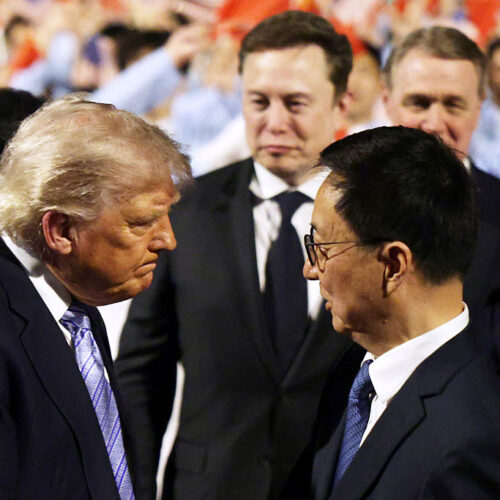
At the recent summit with China’s president, Xi Jinping, Trump agreed “to launch an intergovernmental dialogue on AI” to mutually navigate emerging national security risks as AI technology advances, the Chinese Foreign Ministry confirmed.