
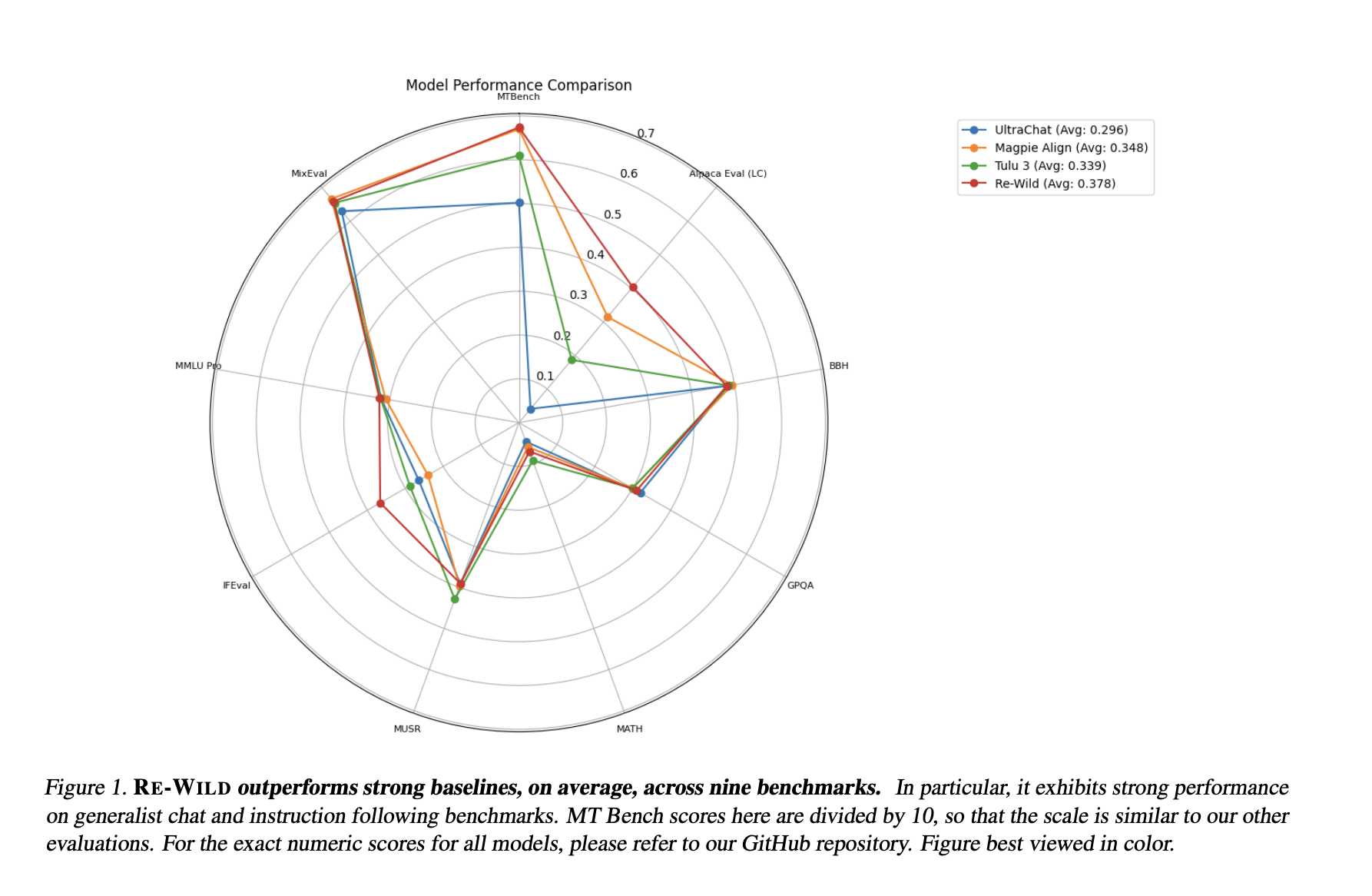
Large language model (LLM) post-training focuses on refining model behavior and enhancing capabilities beyond their initial training phase. It includes […]
Category: Applications
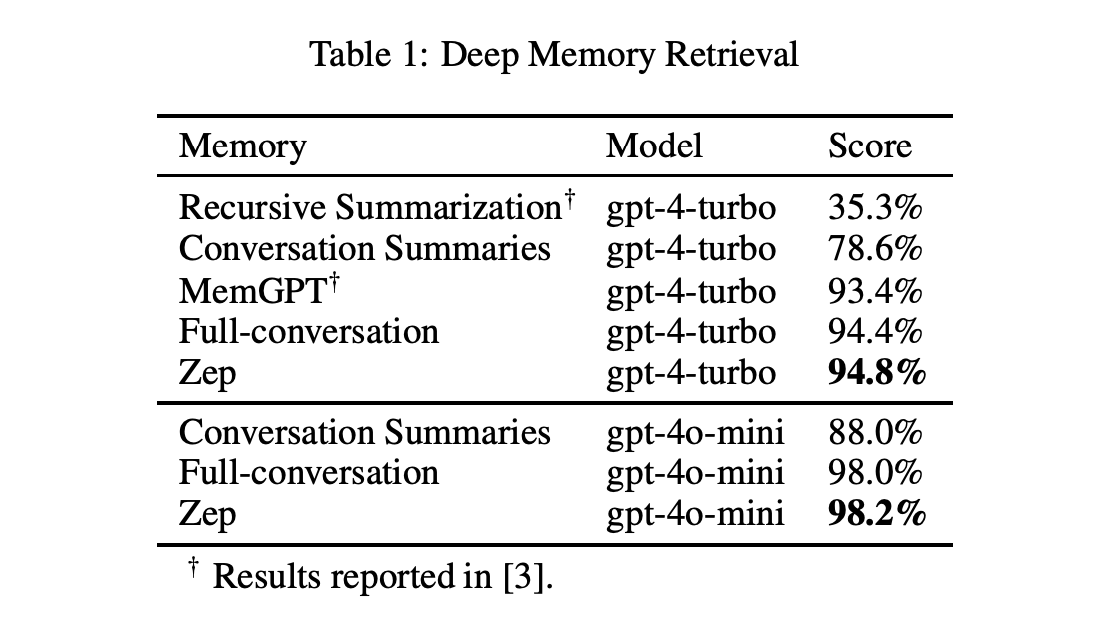
Zep AI Introduces a Smarter Memory Layer for AI Agents Outperforming the MemGPT in the Deep Memory Retrieval (DMR) Benchmark
The development of transformer-based large language models (LLMs) has significantly advanced AI-driven applications, particularly conversational agents. However, these models face […]
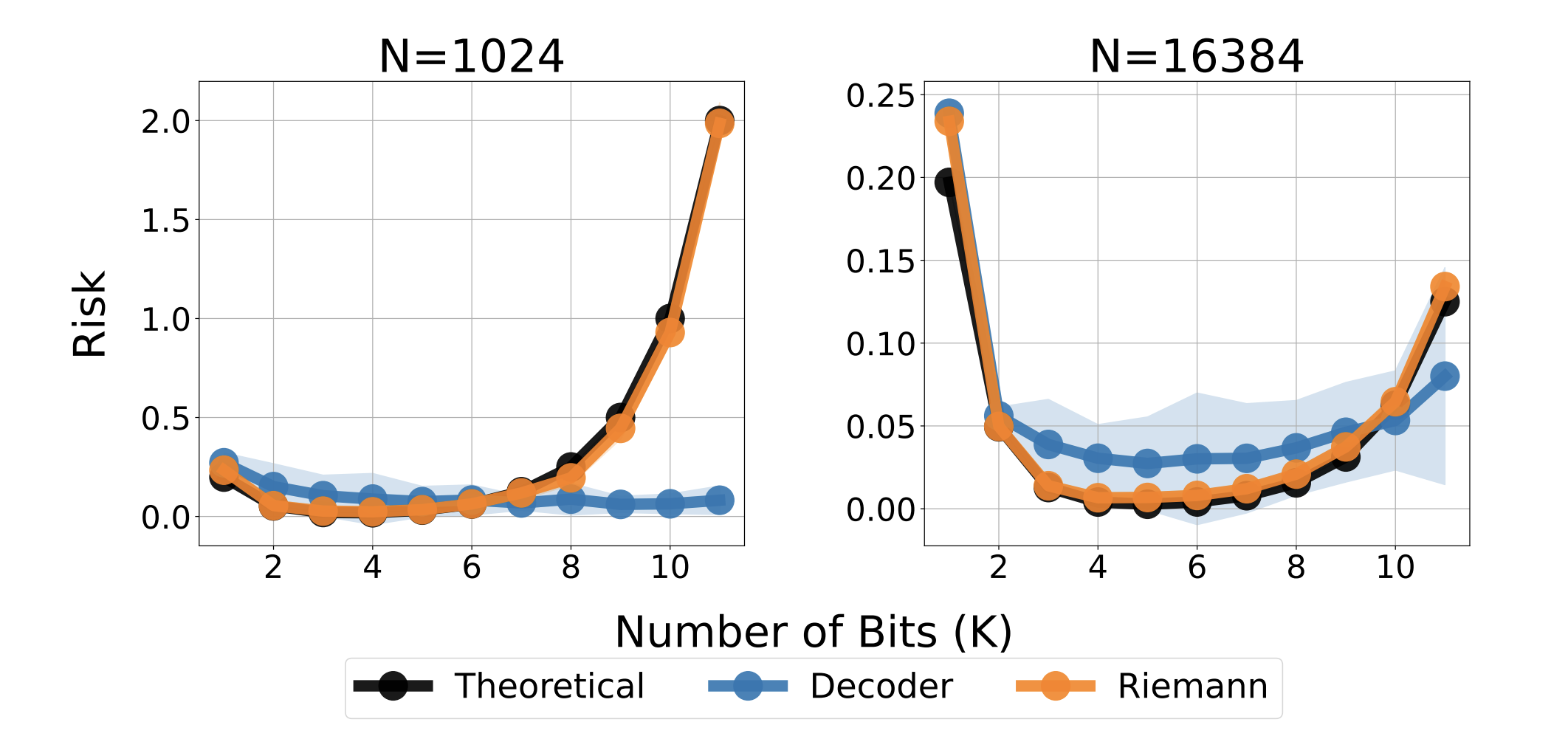
Google DeepMind Researchers Unlock the Potential of Decoding-Based Regression for Tabular and Density Estimation Tasks
Regression tasks, which involve predicting continuous numeric values, have traditionally relied on numeric heads such as Gaussian parameterizations or pointwise […]
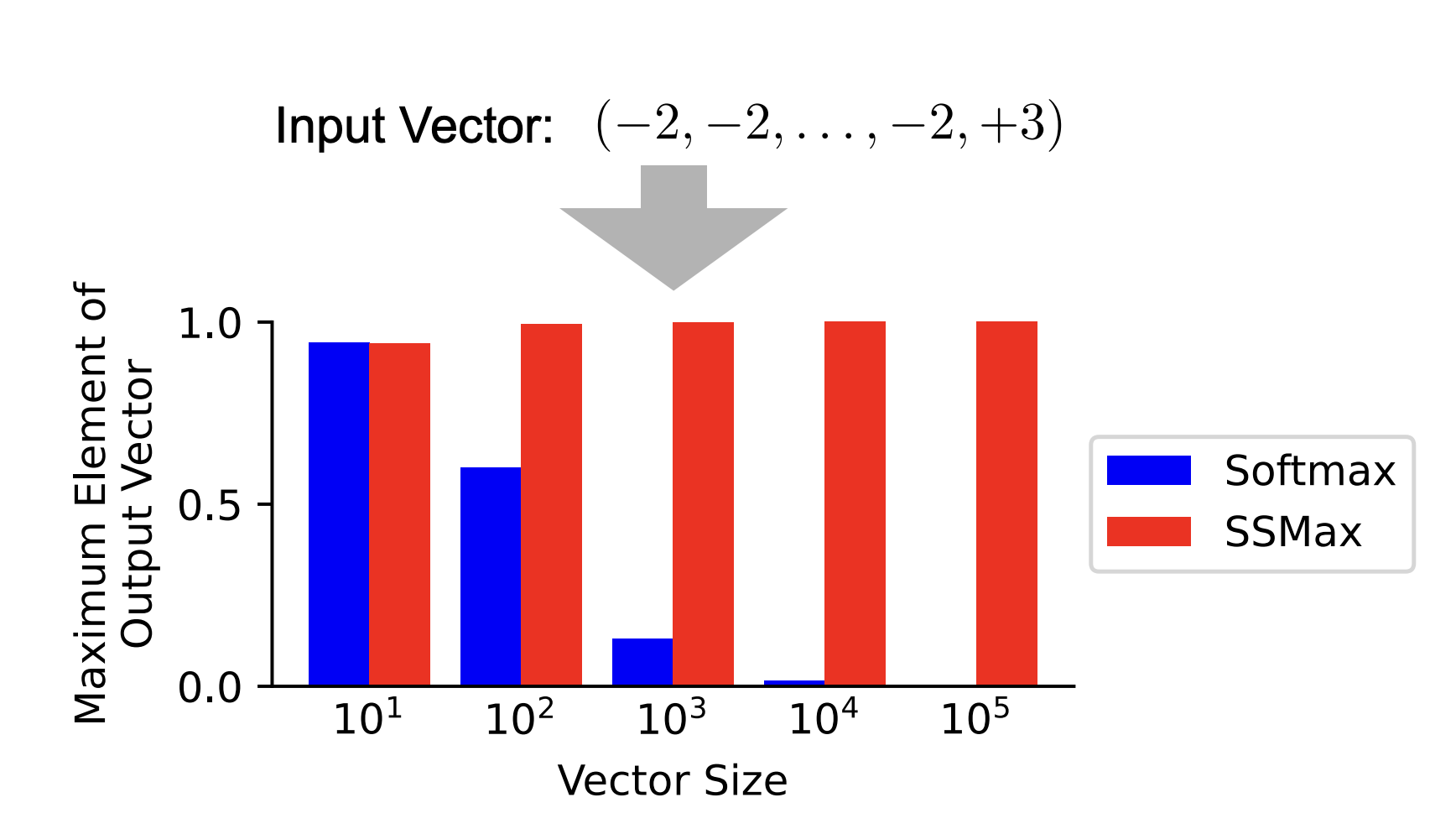
From Softmax to SSMax: Enhancing Attention and Key Information Retrieval in Transformers
Transformer-based language models process text by analyzing word relationships rather than reading in order. They use attention mechanisms to focus […]
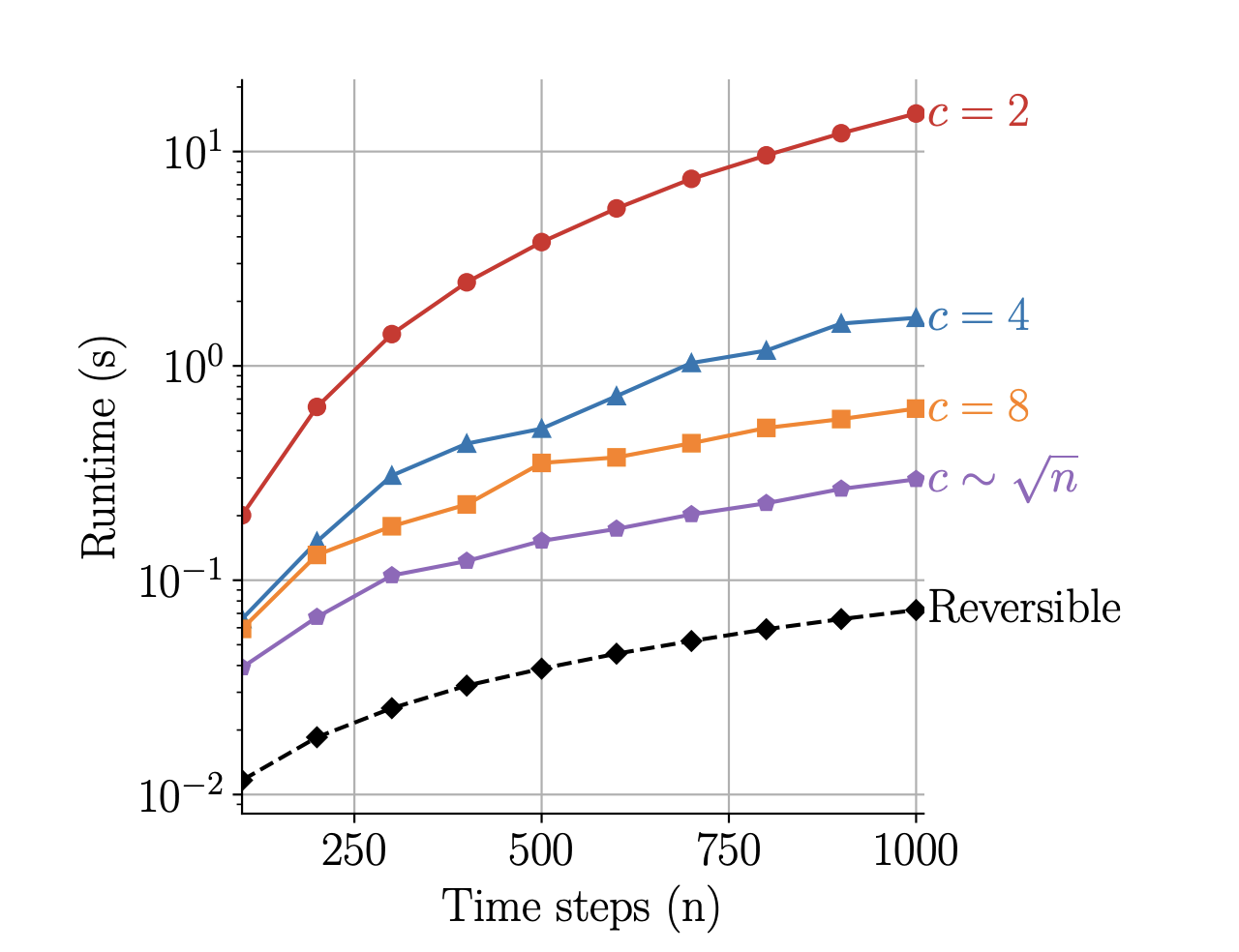
University of Bath Researchers Developed an Efficient and Stable Machine Learning Training Method for Neural ODEs with O(1) Memory Footprint
Neural Ordinary Differential Equations are significant in scientific modeling and time-series analysis where data changes every other moment. This neural […]

Top AI Coding Agents in 2025
AI-powered coding agents have significantly transformed software development in 2025, offering advanced features that enhance productivity and streamline workflows. Below […]
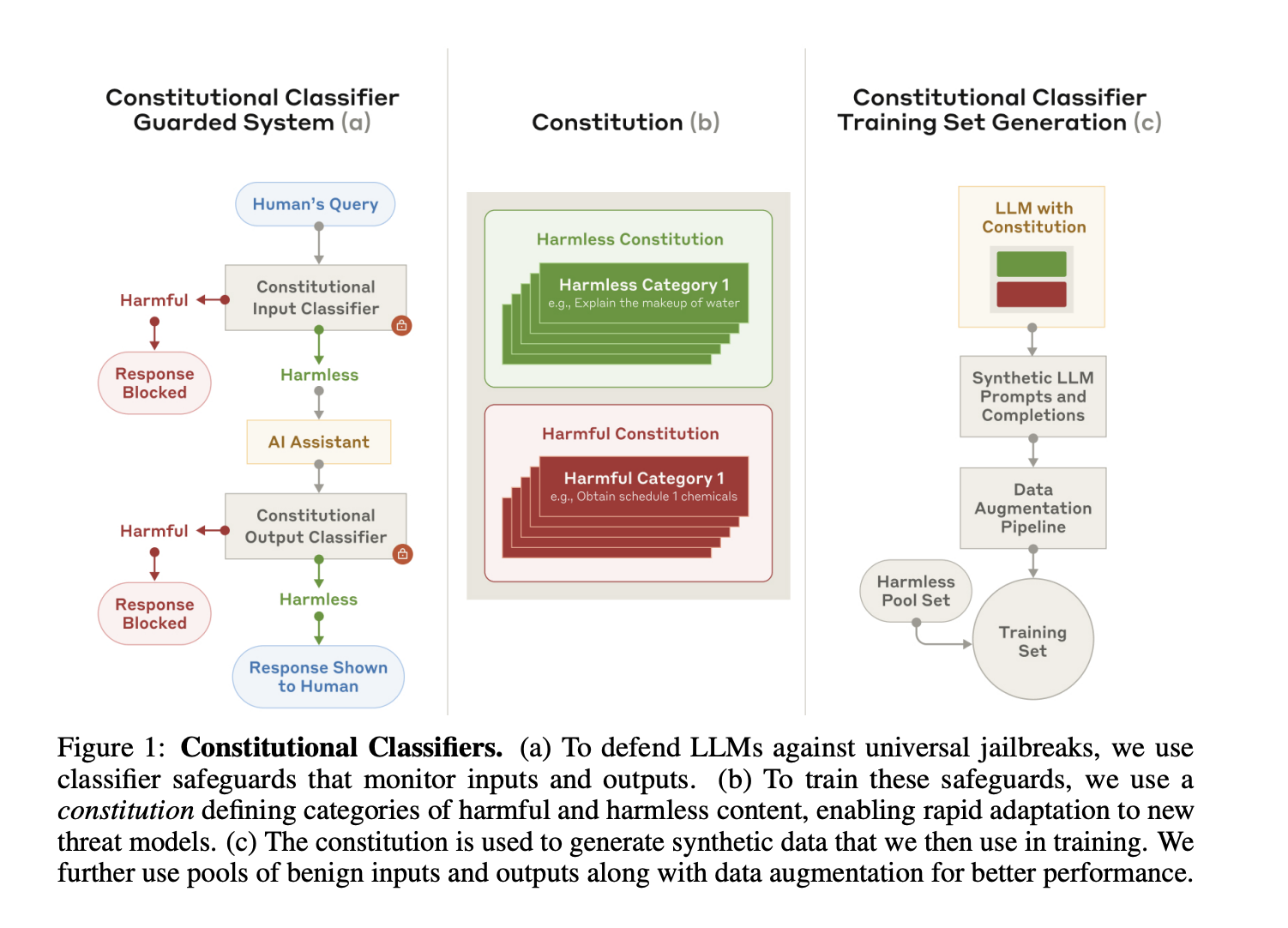
Anthropic Introduces Constitutional Classifiers: A Measured AI Approach to Defending Against Universal Jailbreaks
Large language models (LLMs) have become an integral part of various applications, but they remain vulnerable to exploitation. A key […]

This AI Paper from Meta Introduces Diverse Preference Optimization (DivPO): A Novel Optimization Method for Enhancing Diversity in Large Language Models
Large-scale language models (LLMs) have advanced the field of artificial intelligence as they are used in many applications. Although they […]

ARM: Enhancing Open-Domain Question Answering with Structured Retrieval and Efficient Data Alignment
Answering open-domain questions in real-world scenarios is challenging, as relevant information is often scattered across diverse sources, including text, databases, […]
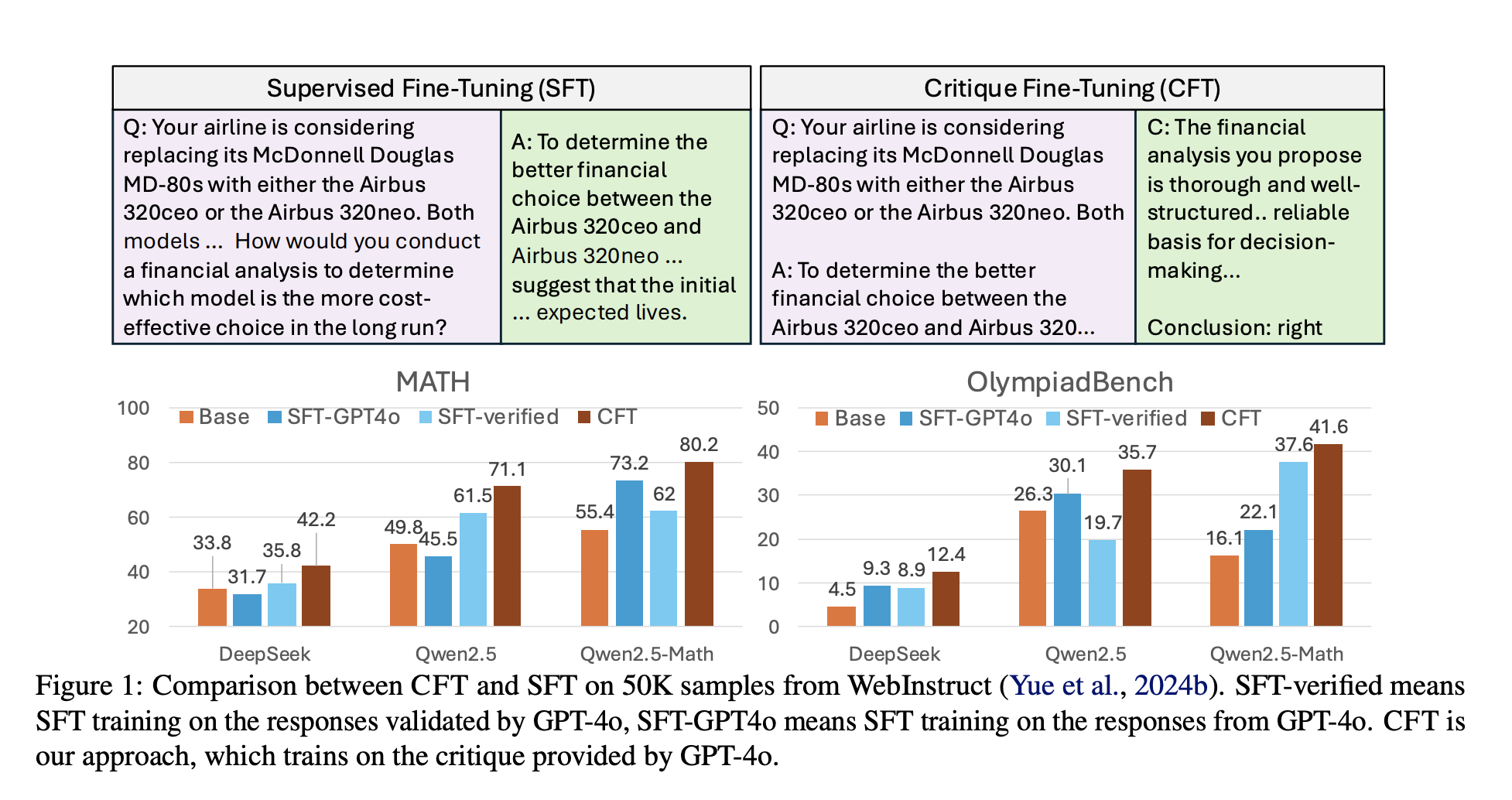
Researchers from University of Waterloo and CMU Introduce Critique Fine-Tuning (CFT): A Novel AI Approach for Enhancing LLM Reasoning with Structured Critique Learning
Traditional approaches to training language models heavily rely on supervised fine-tuning, where models learn by imitating correct responses. While effective […]