
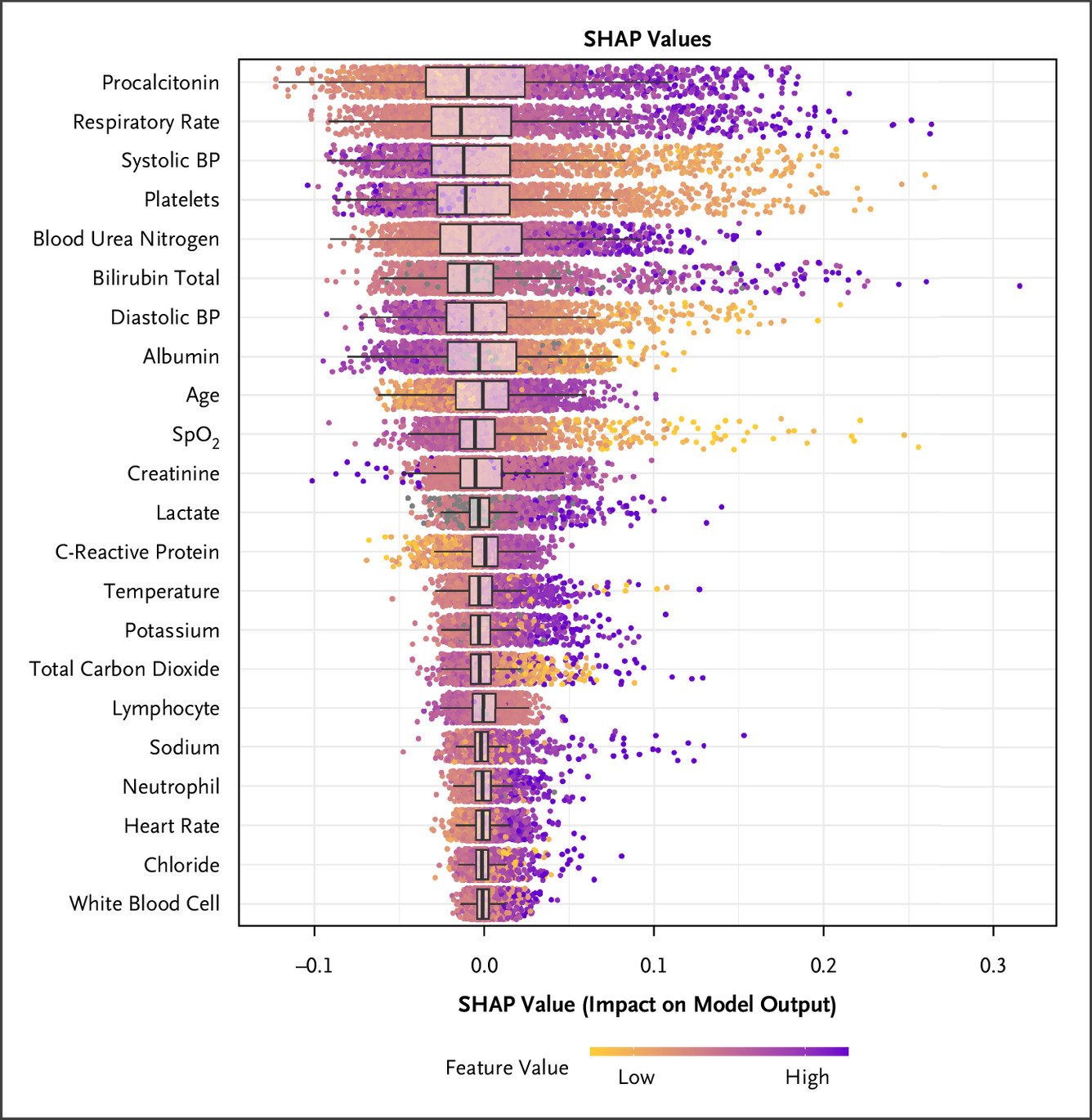
Sepsis is a critical medical condition resulting from an abnormal immune response to infection, often causing organ dysfunction and high […]
Category: AI
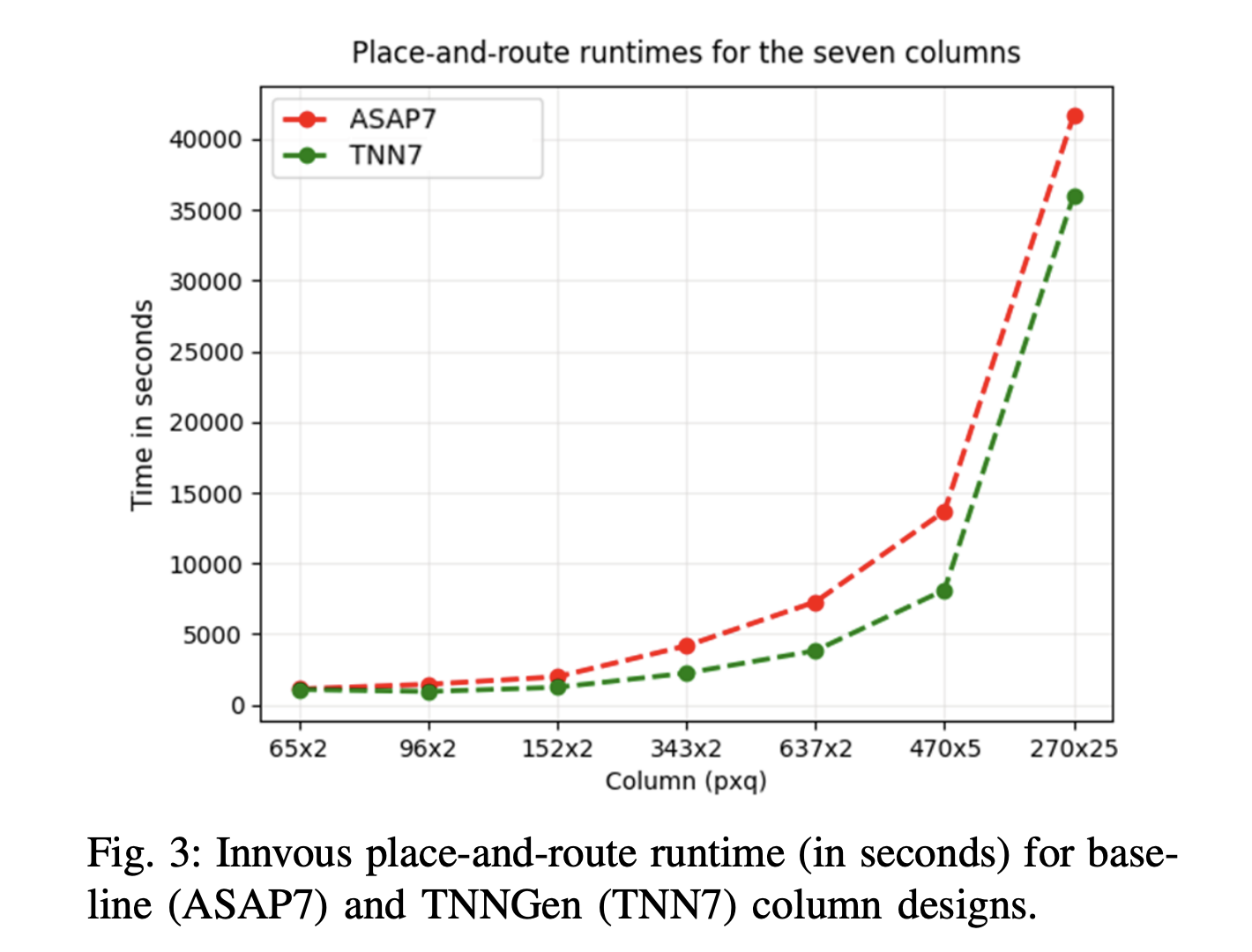
CMU Researchers Introduce TNNGen: An AI Framework that Automates Design of Temporal Neural Networks (TNNs) from PyTorch Software Models to Post-Layout Netlists
Designing neuromorphic sensory processing units (NSPUs) based on Temporal Neural Networks (TNNs) is a highly challenging task due to the […]

Researchers from MIT, Sakana AI, OpenAI and Swiss AI Lab IDSIA Propose a New Algorithm Called Automated Search for Artificial Life (ASAL) to Automate the Discovery of Artificial Life Using Vision-Language Foundation Models
Artificial Life (ALife) research explores the emergence of lifelike behaviors through computational simulations, providing a unique framework to study “life […]
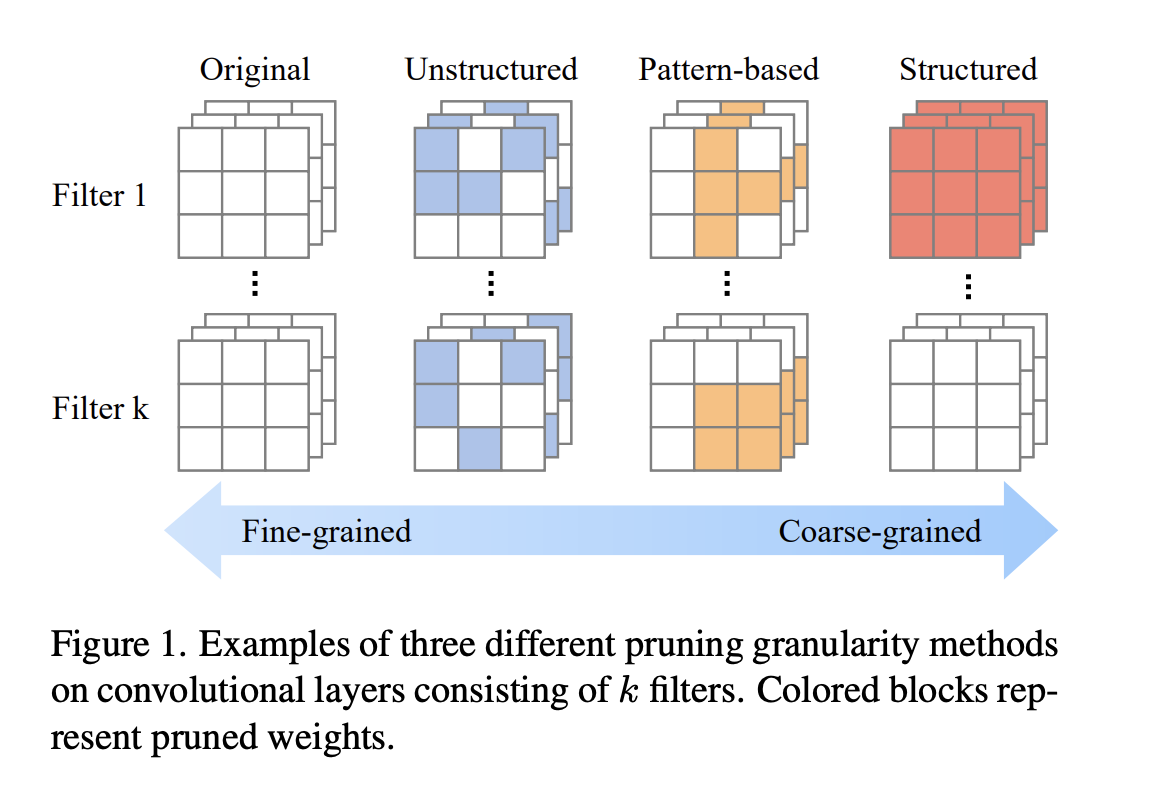
AutoSculpt: A Pattern-based Automated Pruning Framework Designed to Enhance Efficiency and Accuracy by Leveraging Graph Learning and Deep Reinforcement Learning
Deploying Deep Neural Networks (DNNs) on edge devices, such as smartphones and autonomous vehicles, remains a significant challenge due to […]
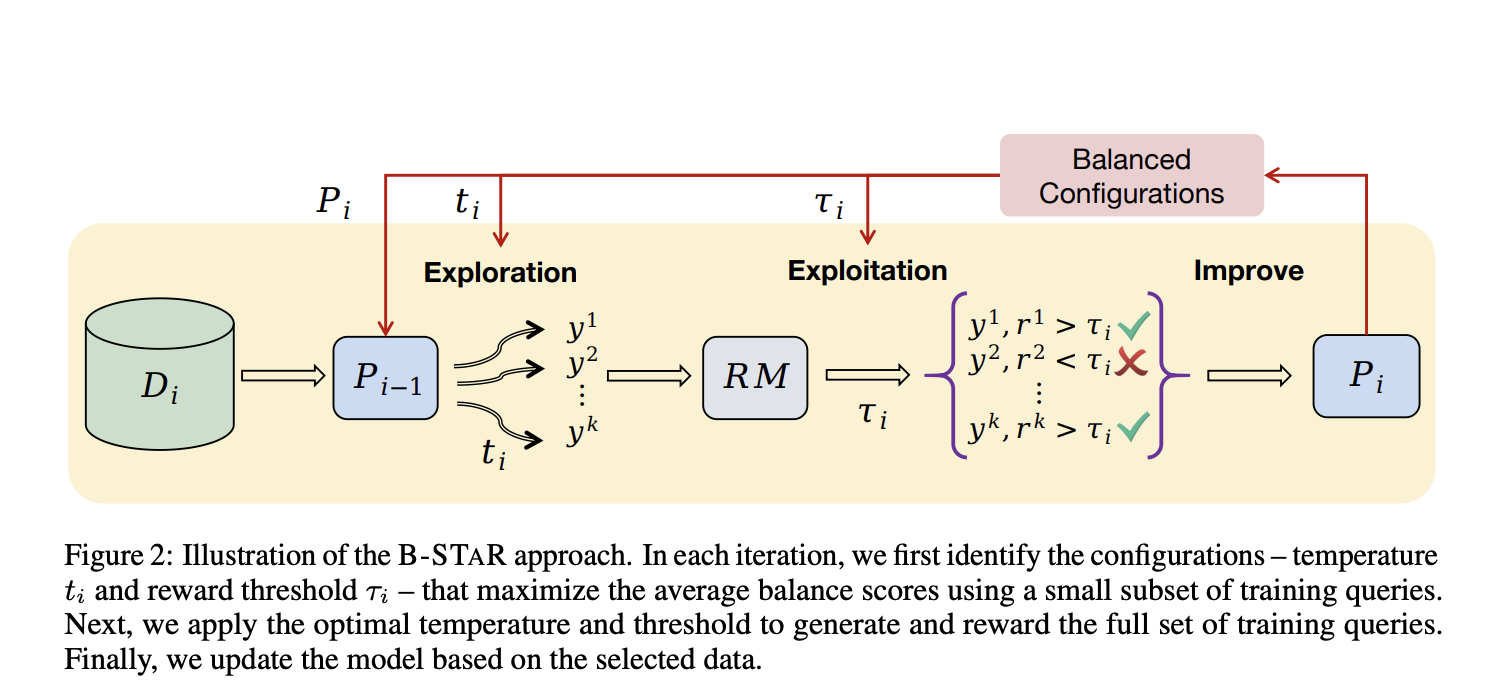
B-STAR: A Self-Taught AI Reasoning Framework for LLMs
A direct correlation exists between an LLM’s training corpus quality and its capabilities. Consequently, researchers have invested a great deal […]

This AI Paper Introduces XMODE: An Explainable Multi-Modal Data Exploration System Powered by LLMs for Enhanced Accuracy and Efficiency
Researchers are focusing increasingly on creating systems that can handle multi-modal data exploration, which combines structured and unstructured data. This […]

Advancing Parallel Programming with HPC-INSTRUCT: Optimizing Code LLMs for High-Performance Computing
LLMs have revolutionized software development by automating coding tasks and bridging the natural language and programming gap. While highly effective […]
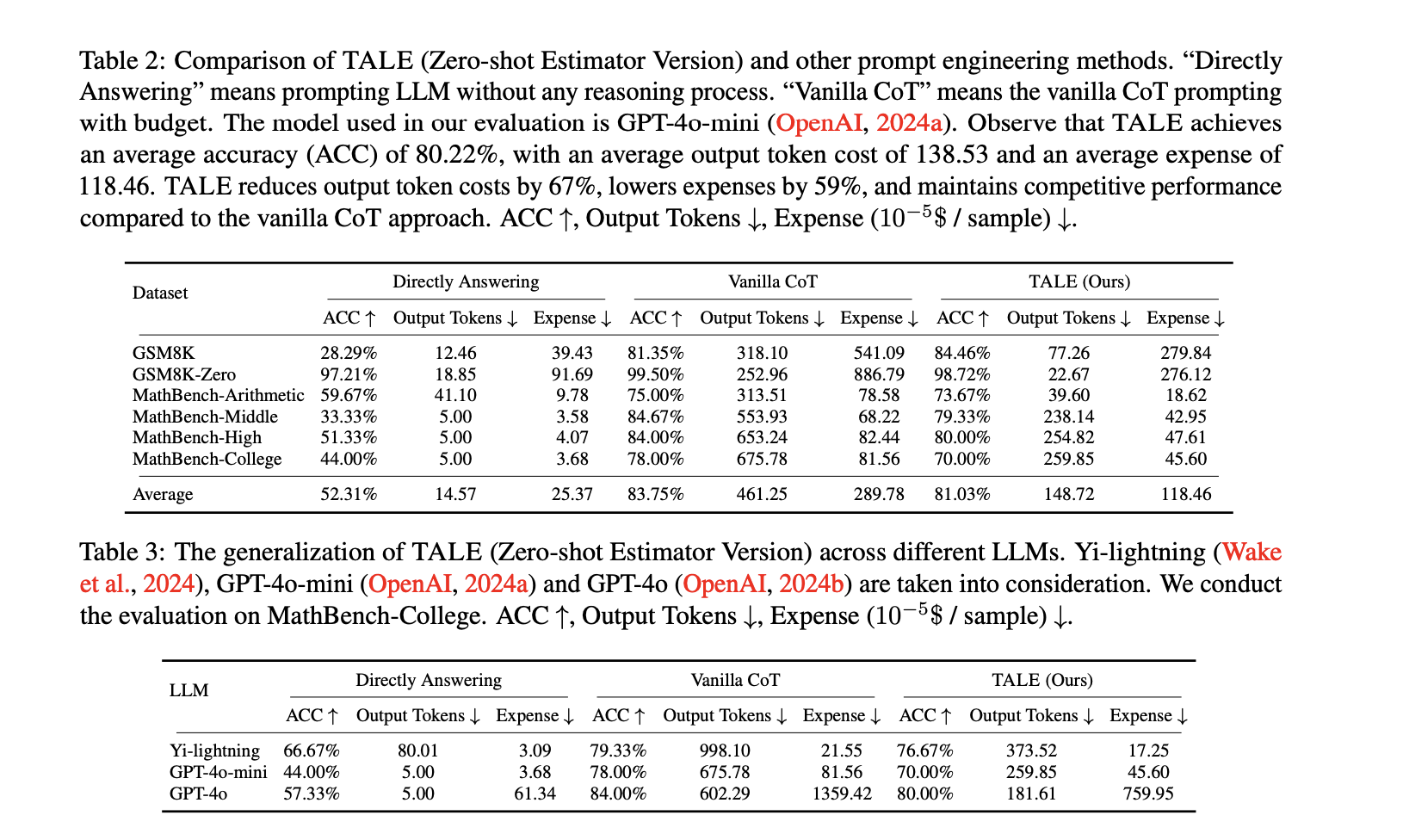
This AI Paper Proposes TALE: An AI Framework that Reduces Token Redundancy in Chain-of-Thought (CoT) Reasoning by Incorporating Token Budget Awareness
Large Language Models (LLMs) have shown significant potential in reasoning tasks, using methods like Chain-of-Thought (CoT) to break down complex […]

Researchers from Tsinghua University Propose ReMoE: A Fully Differentiable MoE Architecture with ReLU Routing
The development of Transformer models has significantly advanced artificial intelligence, delivering remarkable performance across diverse tasks. However, these advancements often […]

NeuralOperator: A New Python Library for Learning Neural Operators in PyTorch
Operator learning is a transformative approach in scientific computing. It focuses on developing models that map functions to other functions, […]