
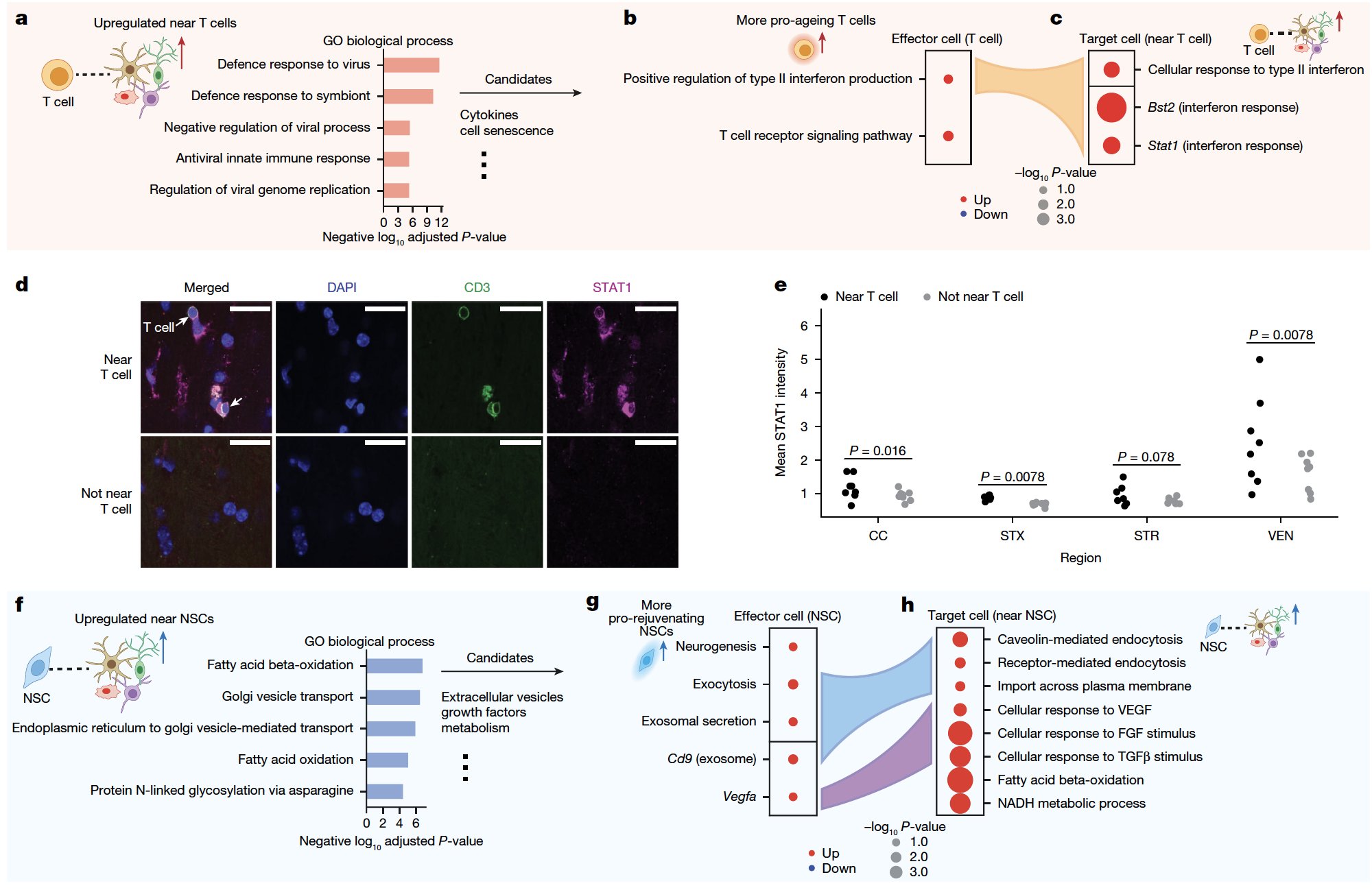
Aging is linked to a significant rise in neurodegenerative diseases like Alzheimer’s and cognitive decline. While brain aging involves complex […]
Category: AI Paper Summary

This AI Paper from aiXplain Introduces Bel Esprit: A Multi-Agent Framework for Building Accurate and Adaptive AI Model Pipelines
Artificial intelligence has progressed from handling atomic tasks to addressing intricate, real-world problems requiring the integration of multiple specialized models. […]
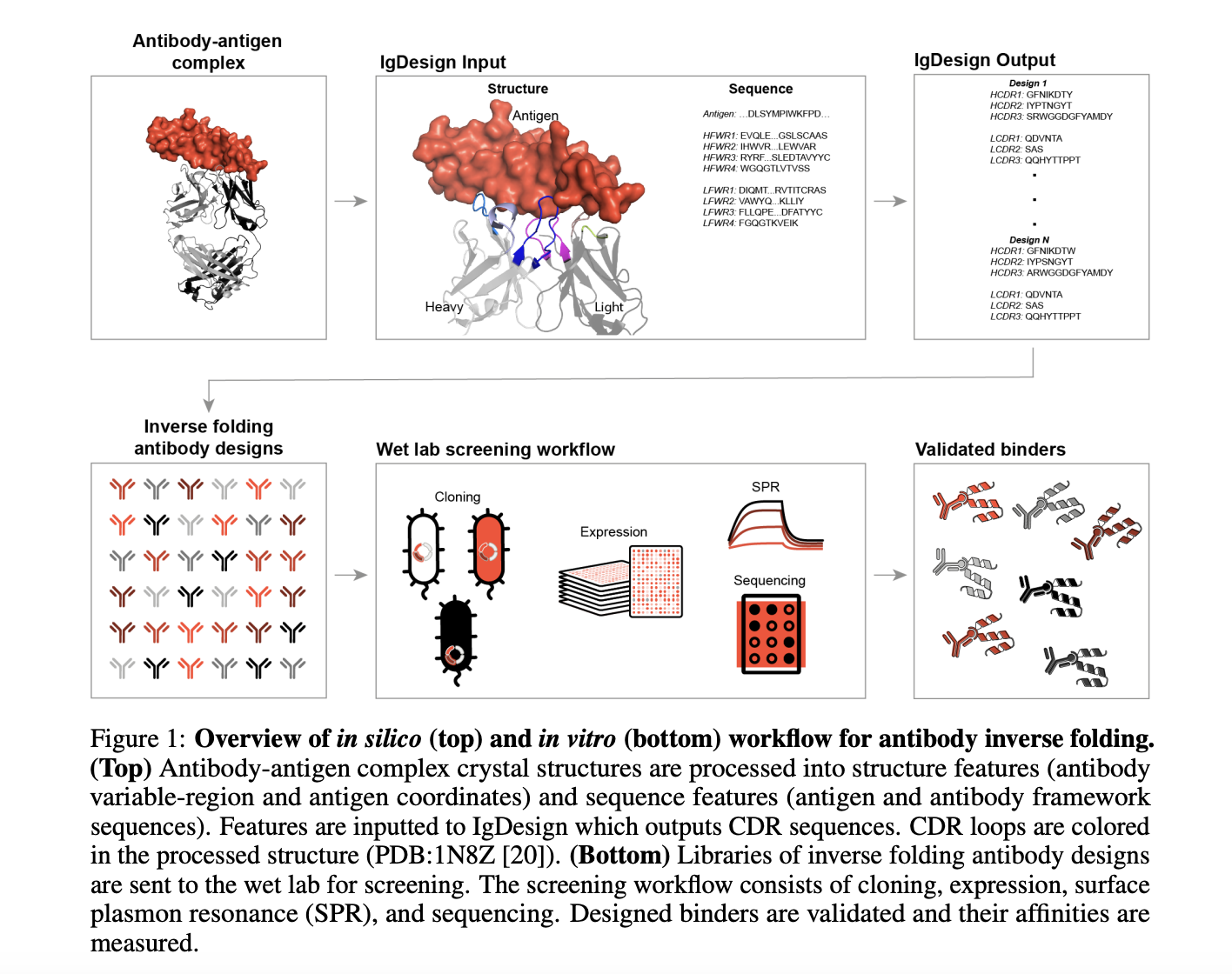
Absci Bio Releases IgDesign: A Deep Learning Approach Transforming Antibody Design with Inverse Folding
Designing antibodies with high specificity and binding affinity to diverse therapeutic antigens remains a significant challenge in drug development. Current […]

Can AI Models Scale Knowledge Storage Efficiently? Meta Researchers Advance Memory Layer Capabilities at Scale
The field of neural network architectures has witnessed rapid advancements as researchers explore innovative ways to enhance computational efficiency while […]

LightOn and Answer.ai Releases ModernBERT: A New Model Series that is a Pareto Improvement over BERT with both Speed and Accuracy
Since the release of BERT in 2018, encoder-only transformer models have been widely used in natural language processing (NLP) applications […]

Google DeepMind Introduces FACTS Grounding: A New AI Benchmark for Evaluating Factuality in Long-Form LLM Response
Despite the transformative potential of large language models (LLMs), these models face significant challenges in generating contextually accurate responses faithful […]
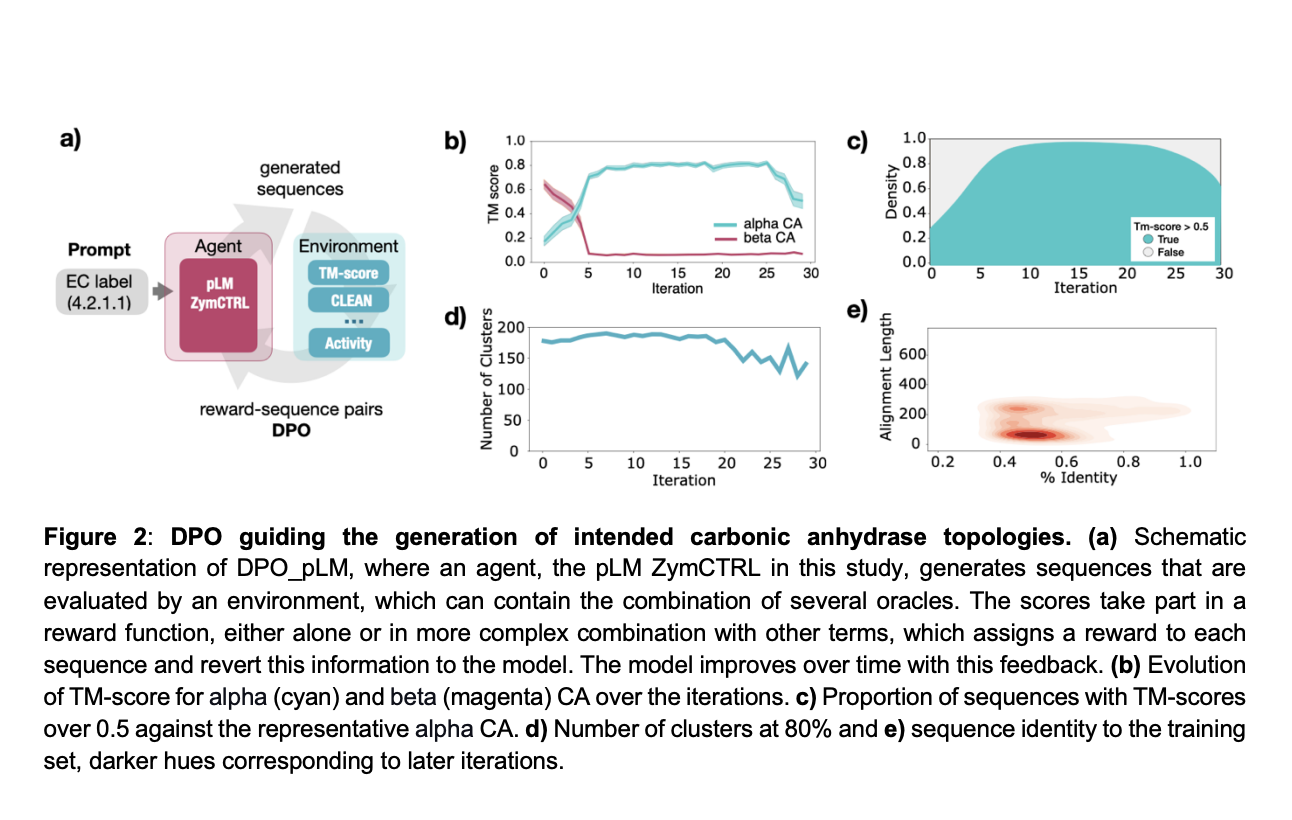
Optimizing Protein Design with Reinforcement Learning-Enhanced pLMs: Introducing DPO_pLM for Efficient and Targeted Sequence Generation
Autoregressive protein language models (pLMs) have become transformative tools for designing functional proteins with remarkable diversity, demonstrating success in creating […]
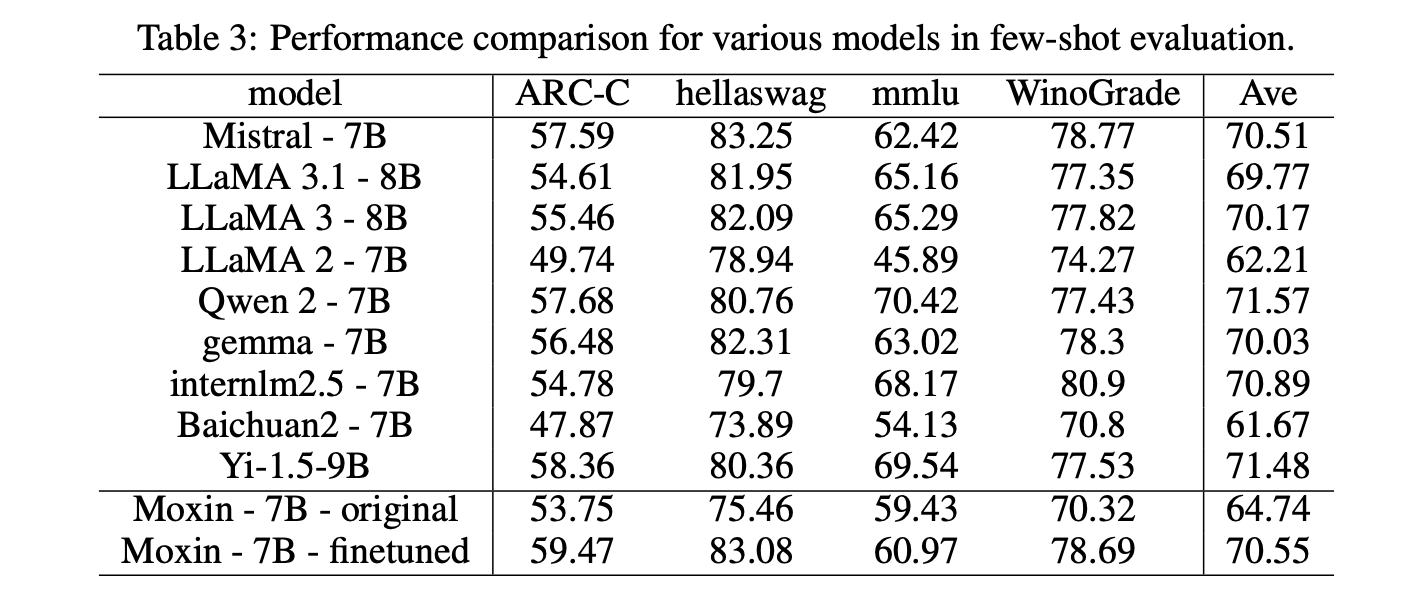
Meet Moxin LLM 7B: A Fully Open-Source Language Model Developed in Accordance with the Model Openness Framework (MOF)
The rapid development of Large Language Models (LLMs) has transformed natural language processing (NLP). Proprietary models like GPT-4 and Claude […]
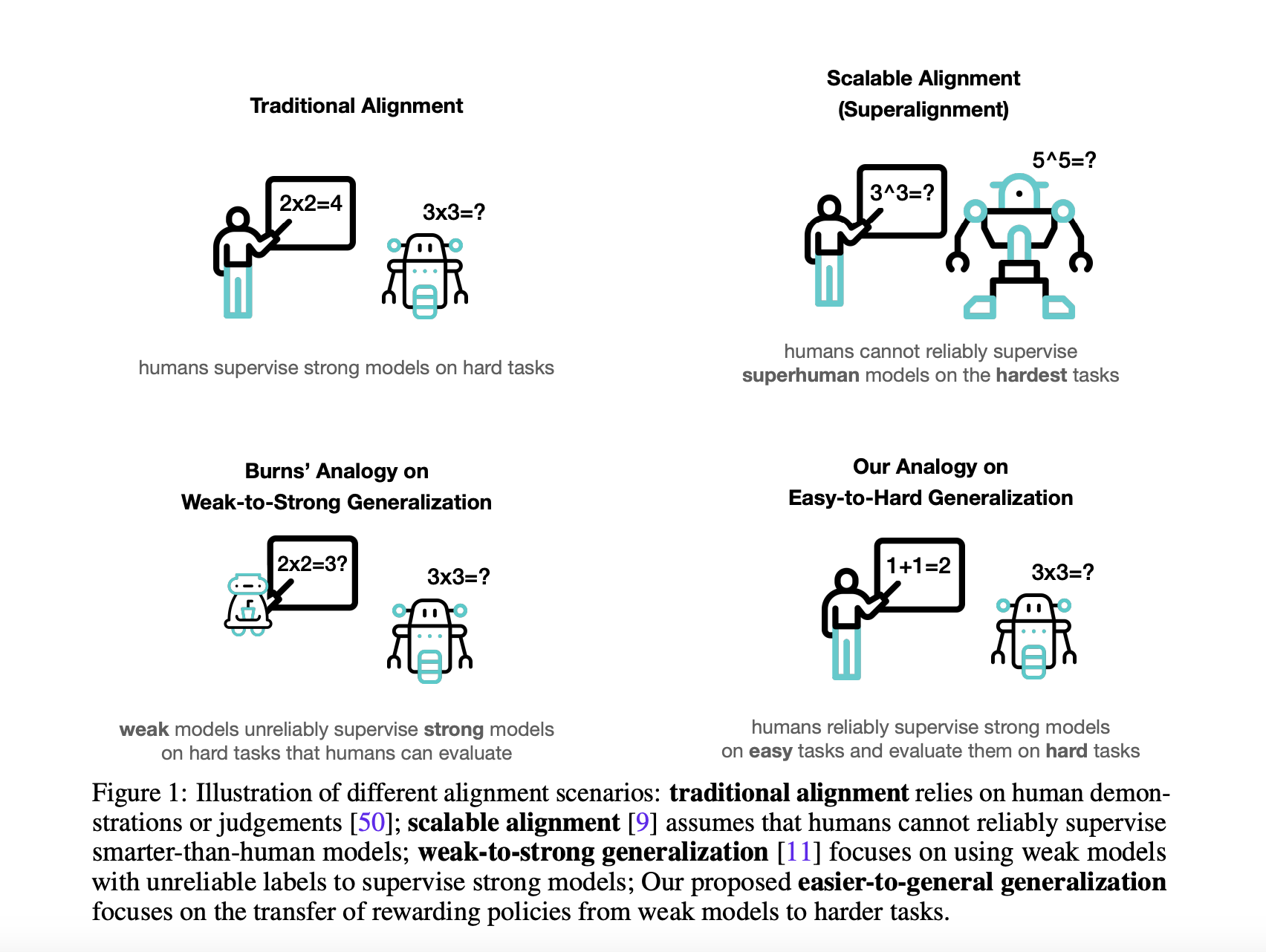
How AI Models Learn to Solve Problems That Humans Can’t
Natural Language processing uses large language models (LLMs) to enable applications such as language translation, sentiment analysis, speech recognition, and […]
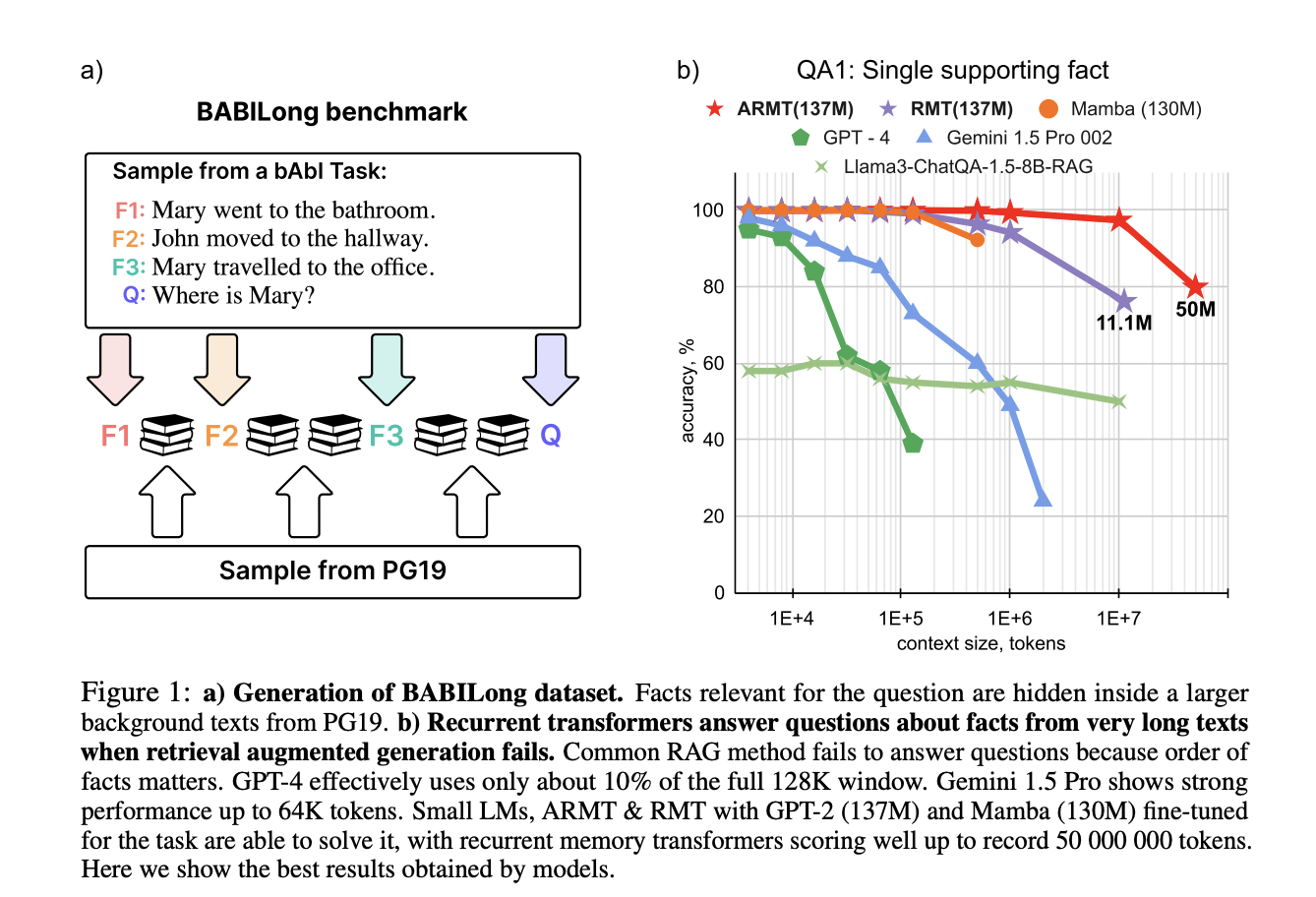
Scaling Language Model Evaluation: From Thousands to Millions of Tokens with BABILong
Large Language Models (LLMs) and neural architectures have significantly advanced capabilities, particularly in processing longer contexts. These improvements have profound […]