At least the multifunction steering wheel uses actual physical buttons for most of its controls rather than the near-unusable capacitive touch version that we experienced in the 296. Real buttons that you can use without taking your eyes off the road make it possible to do things like control Apple CarPlay while on the move—this appears in the main instrument display directly in front of the driver, and in doing so replaces the digital Ferrari dash with its central tach. Things get more complicated when you want to adjust the seats or the climate, though.
You do this via a rotating controller that pops out of the dash, swiping or tapping its touchscreen display to select the temperature, fan speed, ventilation, or massage for each individual seat. Not so difficult while stationary, but considerably more difficult if you’re on the move, given the small size of the targets your finger needs to aim for. A second dial is found between the rear seats with the same functionality.
The rear seats are as supportive as the fronts. Which is good when the driver starts adding some lateral G. Jonathan Gitlin
While there isn’t a central infotainment display, there is a full screen for the front-seat passenger. Because the screen is heavily polarized (or otherwise filtered), though, I couldn’t ever see what my passengers were doing with it. They can interact with the native media apps, but they can’t project CarPlay onto this screen.
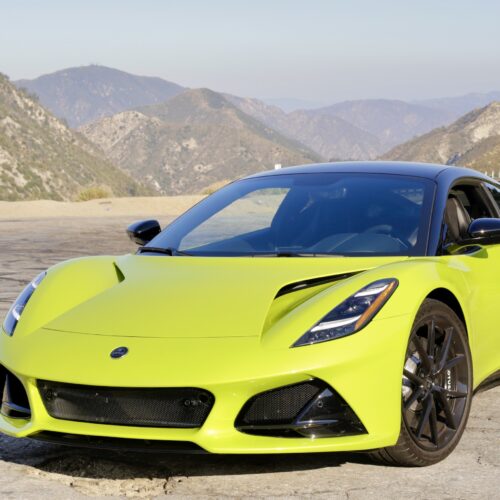
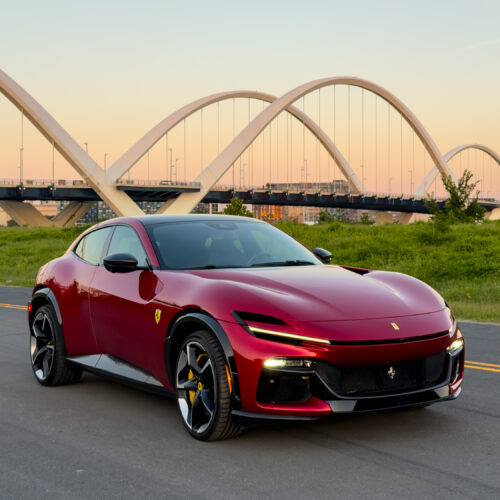
Painted in lustrous Rosso Portofino paint that glittered in the August sun, the Purosangue was something of a head-turner; certainly more striking than the yellowy-green metallic example I drove briefly around Rome earlier this summer. But this is a Ferrari, and between the standard colors and various customization programs, like Atelier and Tailor Made, the sky (and your ability to pay) is the limit when it comes to exterior and interior finishes. It’s certainly a Ferrari you could daily-drive, although at 12 mpg combined (19.6 L/100 km) that is perhaps a better task for the battery-electric Luce. But it’s a good way of sharing a V12 with as many people as possible, and I reckon on the right tires it would make quite an effective winter car.
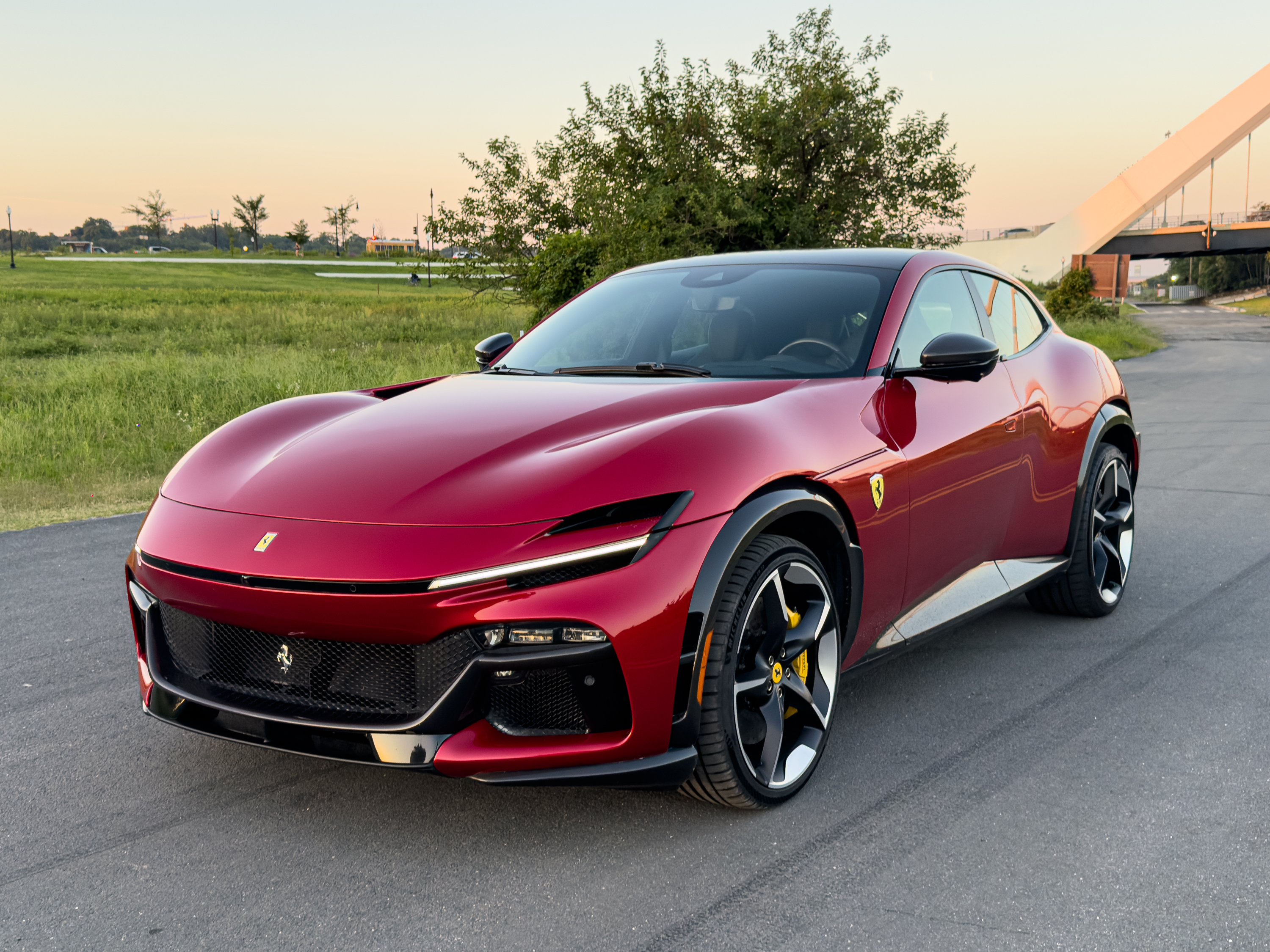
It’s a huge amount of money for a car, but the Purosangue does feel adequately special when you drive it or ride in it.
Credit: Jonathan Gitlin
It’s a huge amount of money for a car, but the Purosangue does feel adequately special when you drive it or ride in it. Credit: Jonathan Gitlin
Starting at $393,350, a Purosangue is significantly less expensive than the EV Ferrari, although our test car’s $576,544 price tag gives you some idea of how quickly the options list can start to add up. It’s also a lot more than you would pay for similarly powerful SUVs from Ferrari’s traditional rivals, like the Aston Martin DBX or Lamborghini Urus, but that’s the way that Maranello likes it.