
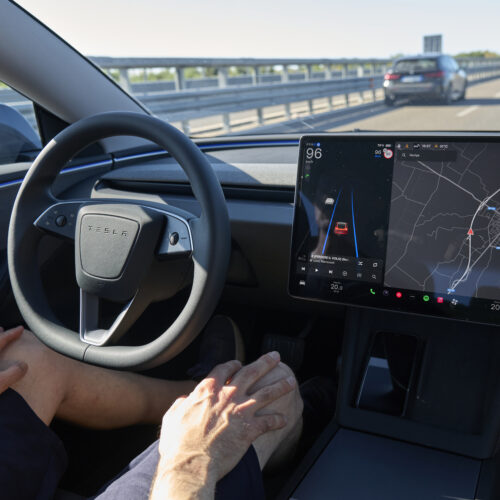
RDW’s approval took 18 months and was based on more than a million miles (1.6 million km) driven on EU roads, 13,000 customer ride-alongs, and several filing cabinets full of documents. And, based on its judgment, it says the system is safe if used properly. Today, RDW will present its findings to other European regulators. At some point, probably later this summer, the Technical Committee on Motor Vehicles will vote whether or not to adopt RDW’s approval across the rest of the EU; Tesla needs 15 of the 27 member states to say yes to make that happen.
Based on emails seen by Reuters, some of those other regulators are skeptical. A Swedish official was “quite surprised” to learn the system had been programmed to break speed limits, something he would not condone. He also questioned if the name FSD “risks giving consumers a misleading impression,” something that critics have long maintained results from Tesla’s naming practices.
Winter performance was another concern: “Are they really introducing a system that allows hands-free driving also on icy 80 km/h roads?” asked a Finnish official, who also raised the issue of large-animal collisions—think Sweden’s famous moose test.
Emails also show Tesla’s aggressive lobbying of Swedish regulators to copy the Dutch just days after RDW announced its approval and before the Swedes had reviewed any of the relevant documents.
The next meetings of the Technical Committee—when it could hold a possible vote—are in July and October.


