Since the Oculus Quest 2, the VR industry has been chasing a high point that seems impossible to re-summit — let alone surpass. I mean, how can you compete with popularity propelled by global pandemic-caused lockdowns and ultra-low costs when people are no longer trapped in their homes and facing down RAM-crisis-fuelled tech price hikes?
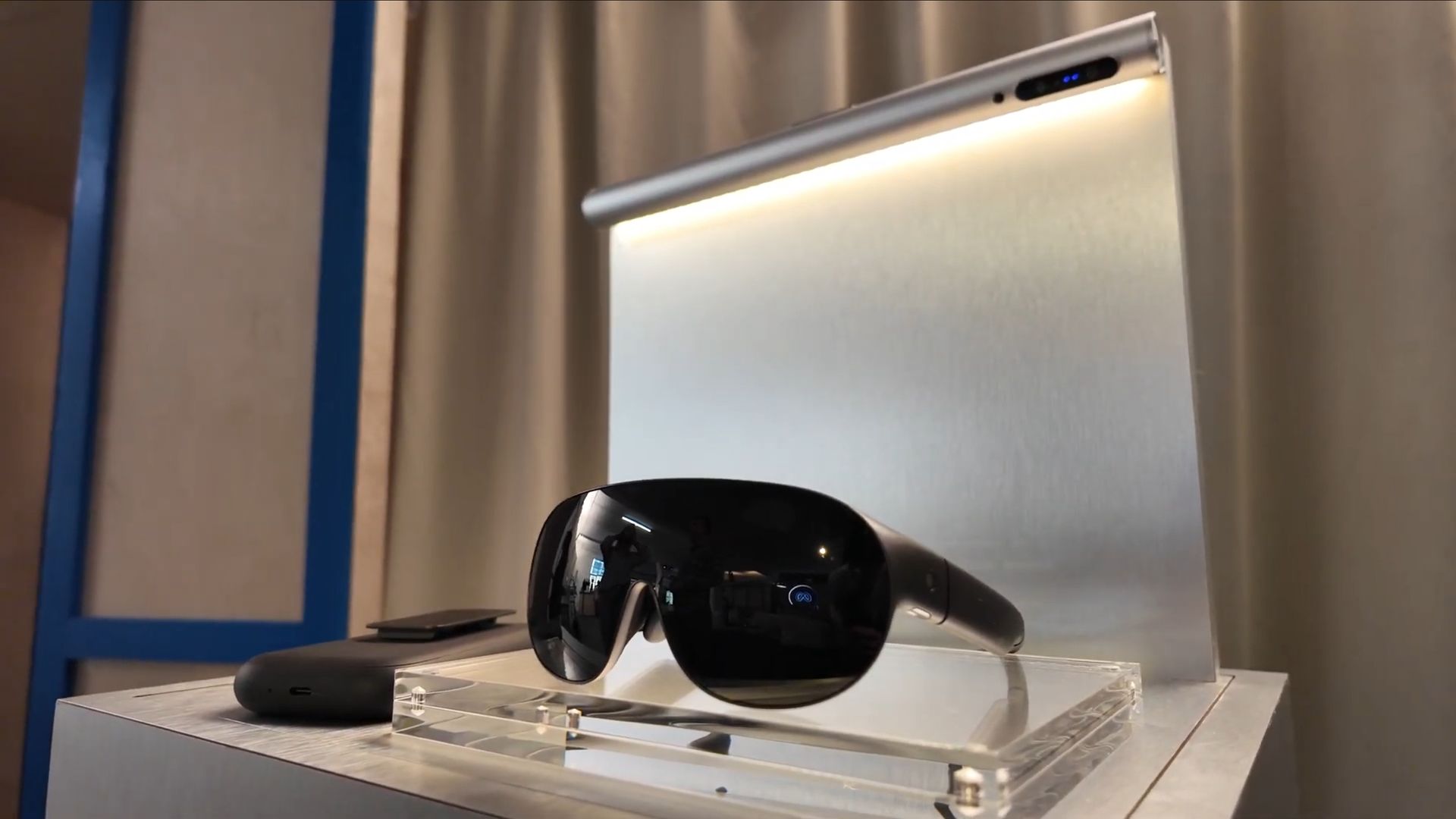
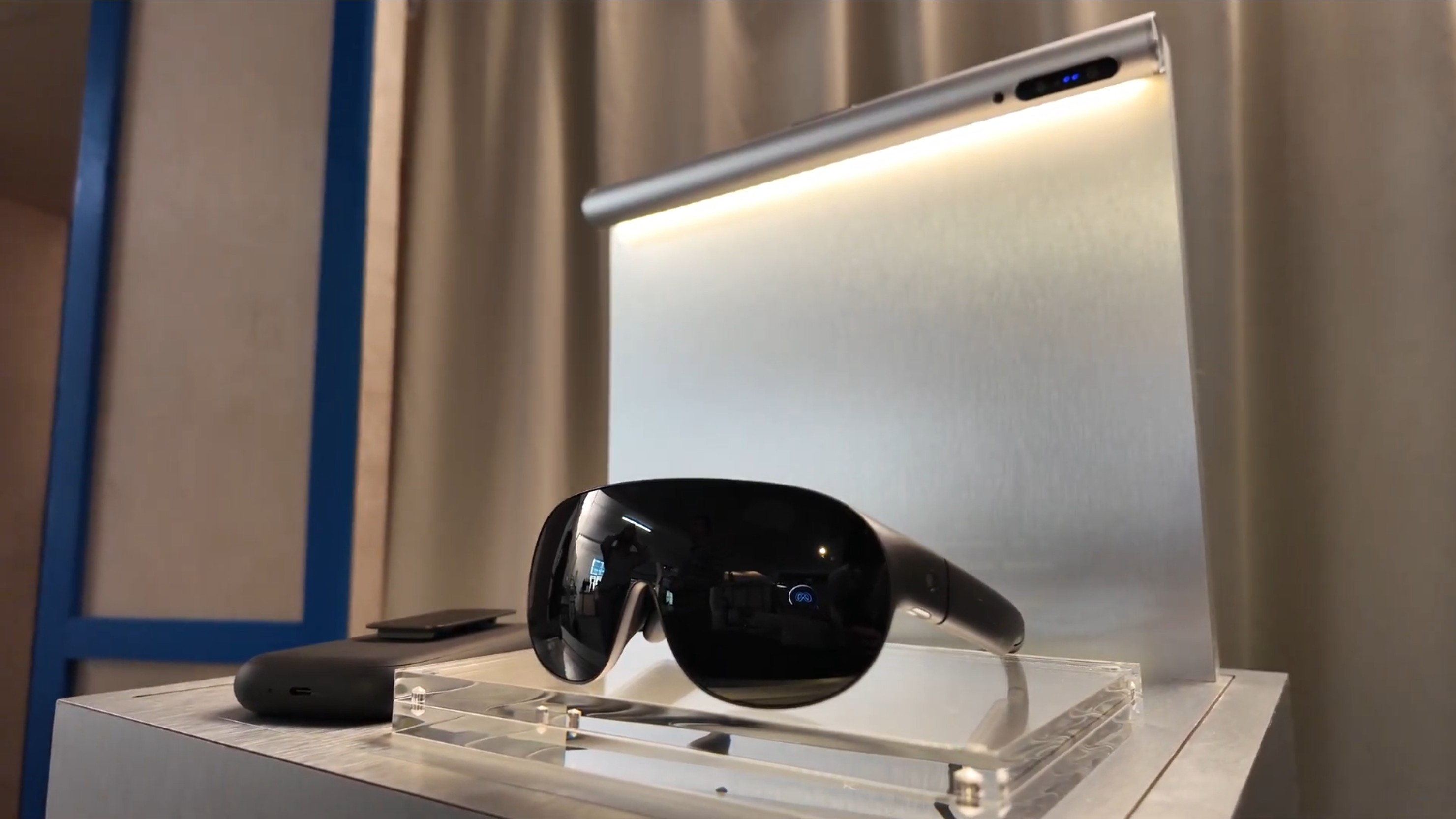
You can’t. But the Meta VR Glasses give me hope that’ll change, that VR is on an upward swing again.
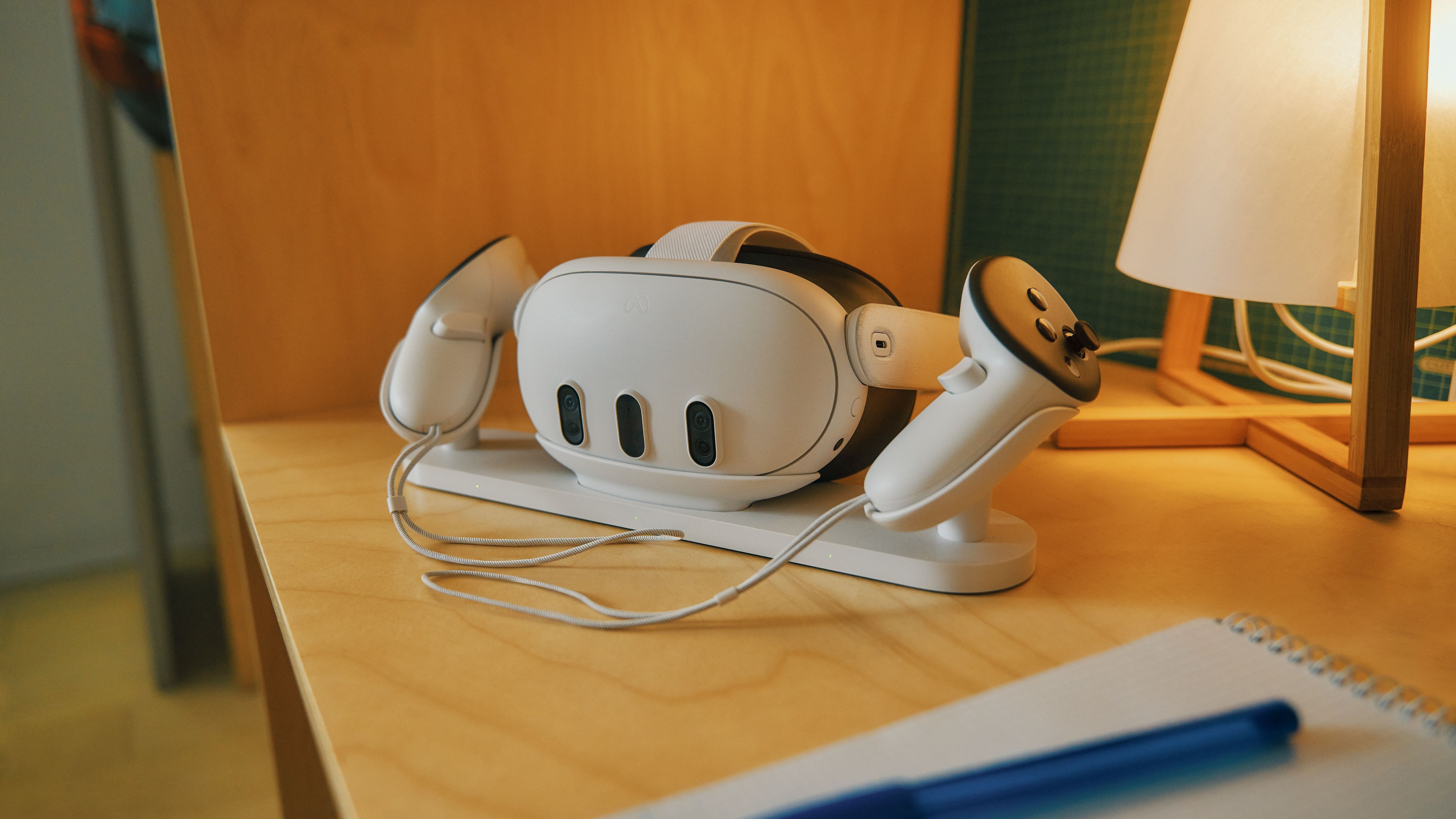
The Meta Quest 3 tried its best, but improved specs, full-color mixed reality, and incredible exclusives like Batman: Arkham Shadow and Marvel’s Deadpool VR seemingly weren’t enough of a draw for people. I loved the system, but checking the most recent (August 2026) Steam Hardware Survey (which should include the most dedicated, most likely to upgrade players, as the Quest systems aren’t native PCVR headsets), the Quest 2 still narrowly tops the list despite being pulled from shelves over two years ago and being replaced close to three years ago by the Quest 3.
The Apple Vision Pro was much hyped before launch, but it seemingly had even less staying power than the Quest 3 thanks to its extremely high price. Samsung’s Galaxy XR headset, as much as I like it, is a gadget I wouldn’t be surprised if even most techie people didn’t know it existed.
You could do a whole analytical breakdown on why each device struggled to hit the mark, but as I see it, there’s one key issue: value.
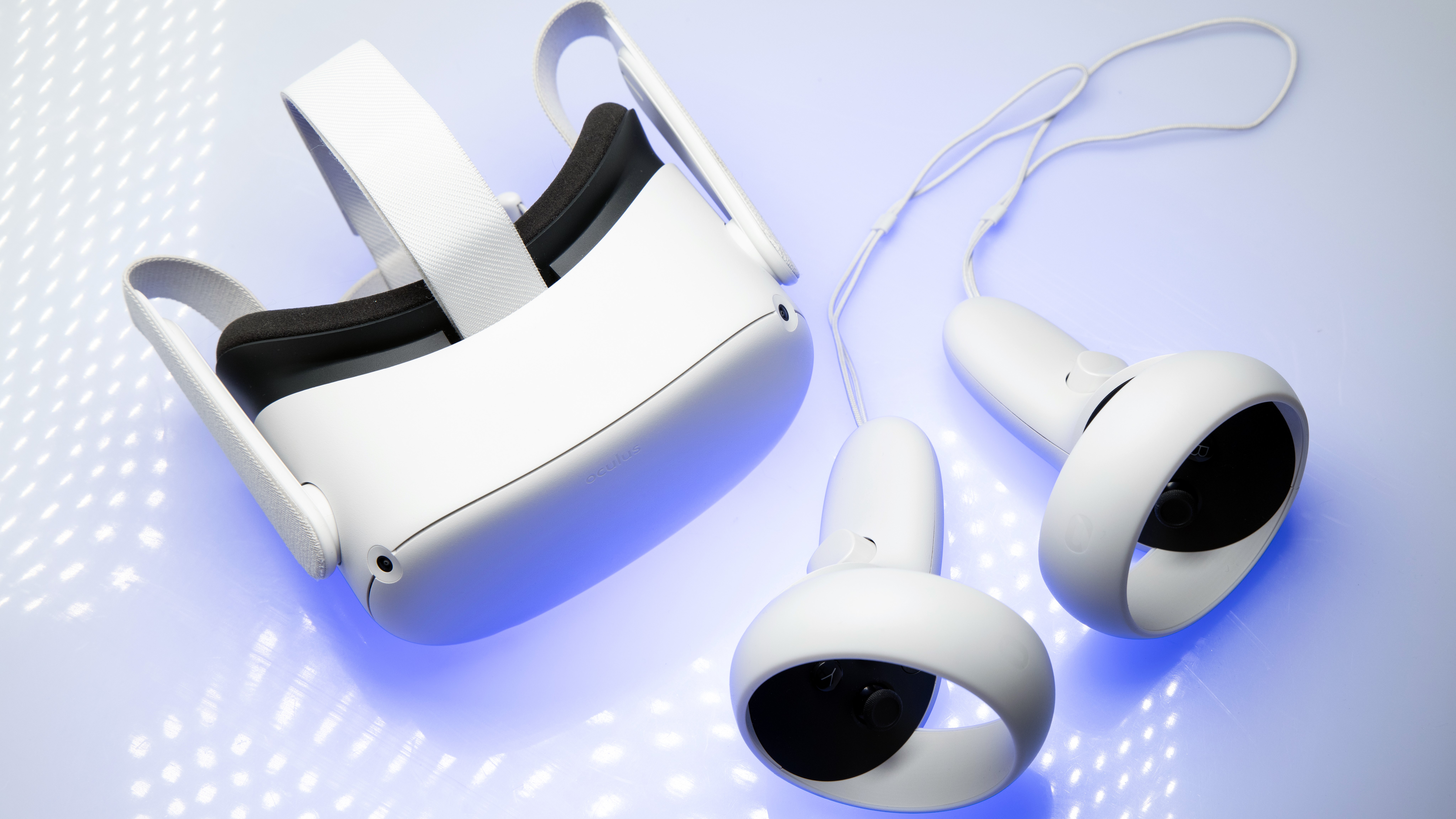
The Quest 2 was incredible value. At £299 / $299 / AU$479 it’s approaching tech impulse-buy territory. You can grab it on a whim and be fairly confident you’ll get enough use out of it to justify the price whether you’re stuck inside because of Covid-19 or not — even just as a novelty you only get out on occasion, or to see your nan get wowed by some simple demo app.
At $499.99 / £479.99 / AU$799.99 (its original launch price), the Meta Quest 3 is instantly a much harder value proposition to justify. For a start, you need to spend a lot more time using the Quest 3 before it becomes ‘worth it.’ But for gamers, the headset costs as much as a PS5 disc edition — or a digital-only PS5 plus a game or two — and even as a VR enjoyer, it’s easy to understand why people would favour the Sony console and its incredible performance and game catalogue to fill their time.
It’s also still a bit too bulky to wear all day every day for productivity tasks — something Meta was ironing out at the time on the software side too. Big screen entertainment wasn’t ideal either — the Quest 3 lacked many streaming services, and the few it did have often relied on terrible apps that were terrible to use and didn’t support high-quality streams.
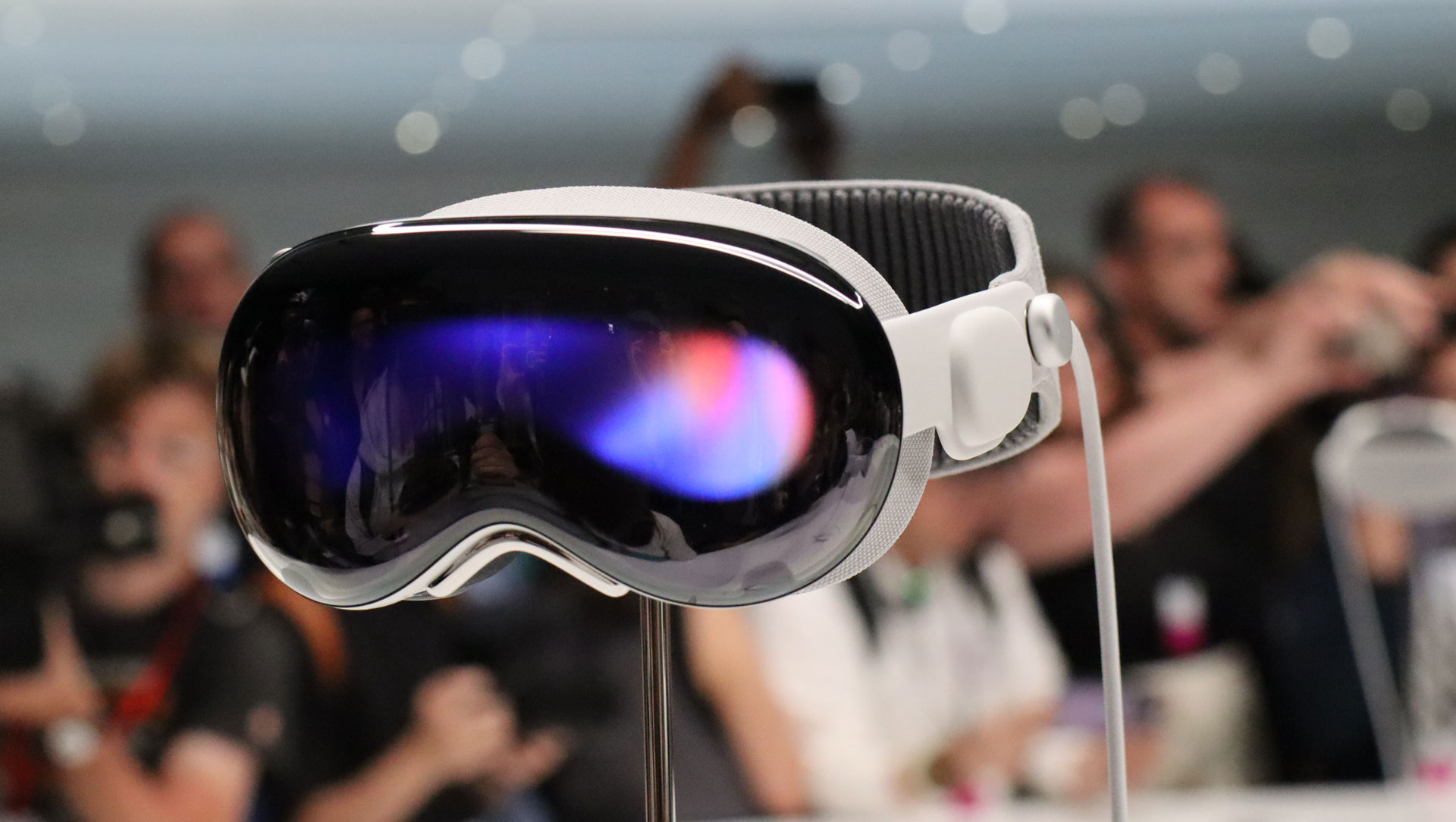
The Vision Pro and Samsung Galaxy XR headset solved some of these issues, but they didn’t address headset bulk — the Apple Vision Pro actually weighs a good chunk more than a Quest 3 or Quest 2 — and they’re also a lot more expensive (costing $3,499 / £3,199 / AU$5,999 and $1,799 / £1,699 respectively).
To get your money’s worth, you’d ideally use these headsets every day to help maximise your productivity across app windows, and to kick back with some entertainment most evenings — or at least fairly regularly. But as someone who tried doing this for a week with the Galaxy XR (the lighter of the two), it’s simply not a comfortable enough experience — my neck wanted to give up after a day and a half.
They’re both great for using from time to time, but they cost far too much to be something you wear infrequently.
Emerging from the ashes
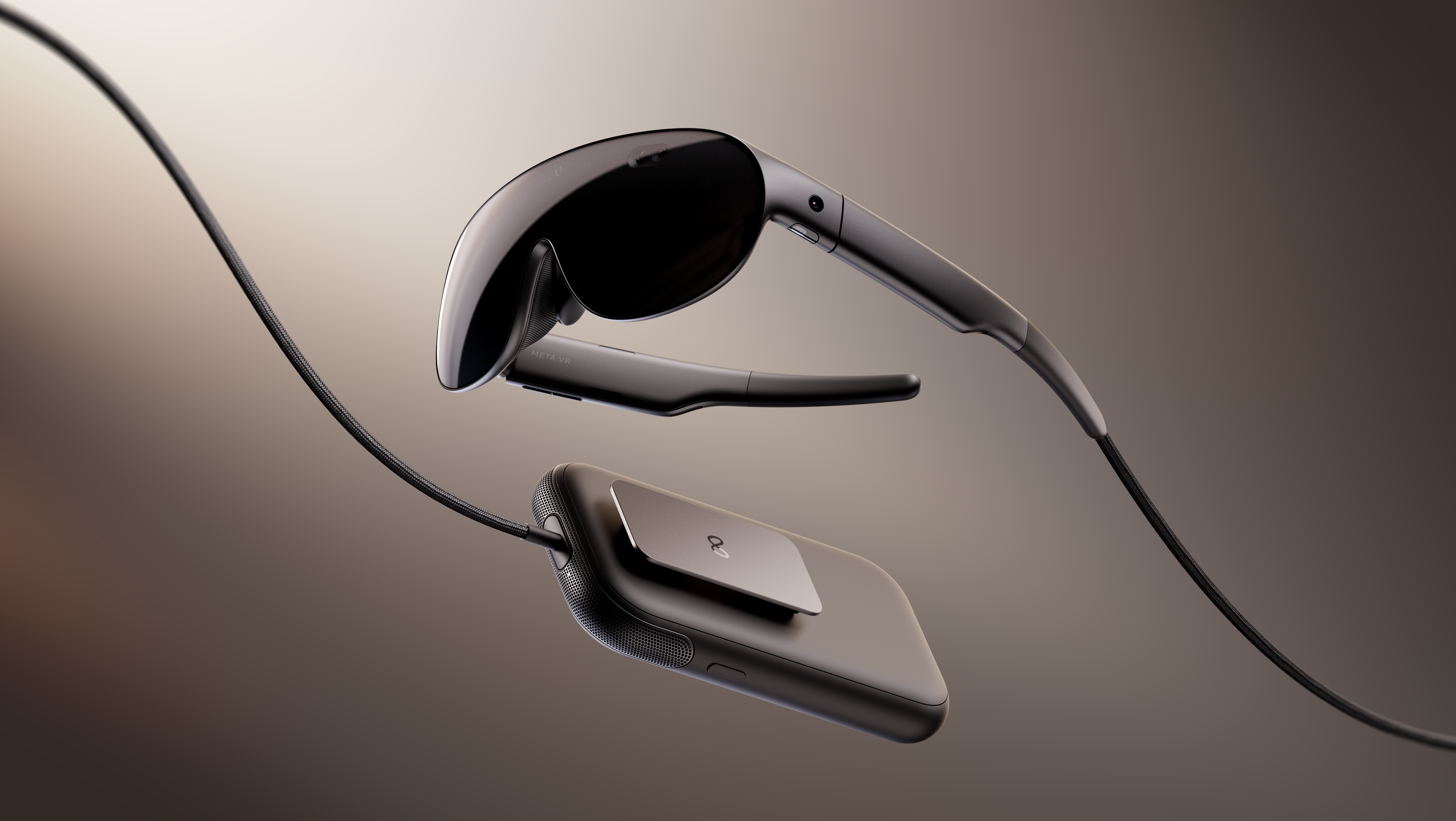
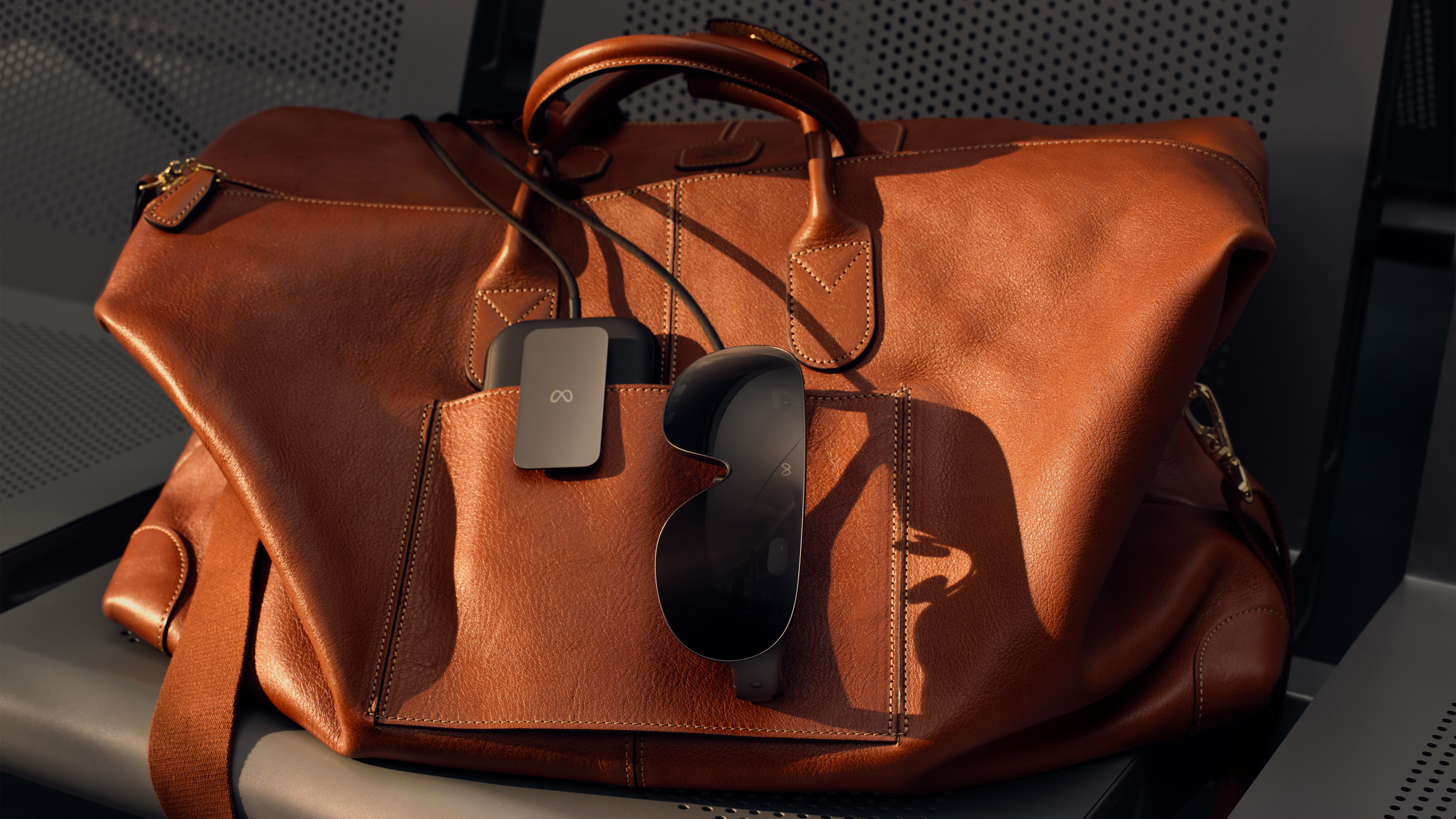
The Meta VR Glasses, however, hit the nail on the head in (almost) every regard. At only around 3.52oz /100g, they are a device you can easily wear for hours, and Meta has finally improved its entertainment and productivity software support.
The only notable negative aspect is the price. $1,299 (pricing TBC in other regions) is cheaper than its current rivals, but still four times more expensive than the Oculus Quest 2. With its weight, I can definitely see myself wearing this headset often enough to make that price justified, but for less VR-forward folks it might not seem that way — especially after our recent flops.
I hope they can give it a try, however, as I fell in love with the Meta VR Glasses instantly, and I expect plenty more fans will materialize once they launch in 2027.
Hardware aside, I’m also simply glad to see the return of VR as a descriptor.
I get that technically the VR Glasses are a mixed reality device, but MR never really took off as a descriptor (it’s quite similar to the shortening of mister, Mr), and I don’t love XR — it’s too generic to really mean anything because it includes AR, VR, MR, and all different ways these technologies can manifest.
VR headsets are a known quantity, and the VR Glasses do feel like the spiritual successor to the Quest headsets Meta and Oculus pioneered. It’s a small thing, but I like that VR has returned — rising from the ashes in a manner that feels appropriate for the Project Phoenix device.
Rebuilding what it broke?
The elephant in the room for many will be that Meta contributed somewhat to the sense of doom and gloom in VR after it made sweeping cuts through its Reality Labs teams and first-party development studios — canning projects in the process.
We’ve also seen third-party VR studios close or downsize since Meta’s announcement as it becomes clear VR isn’t in quite the boom period it once was. Showcasing Meta’s situation was merely part of a bigger trend of VR struggles, rather than an isolated case of awfulness.
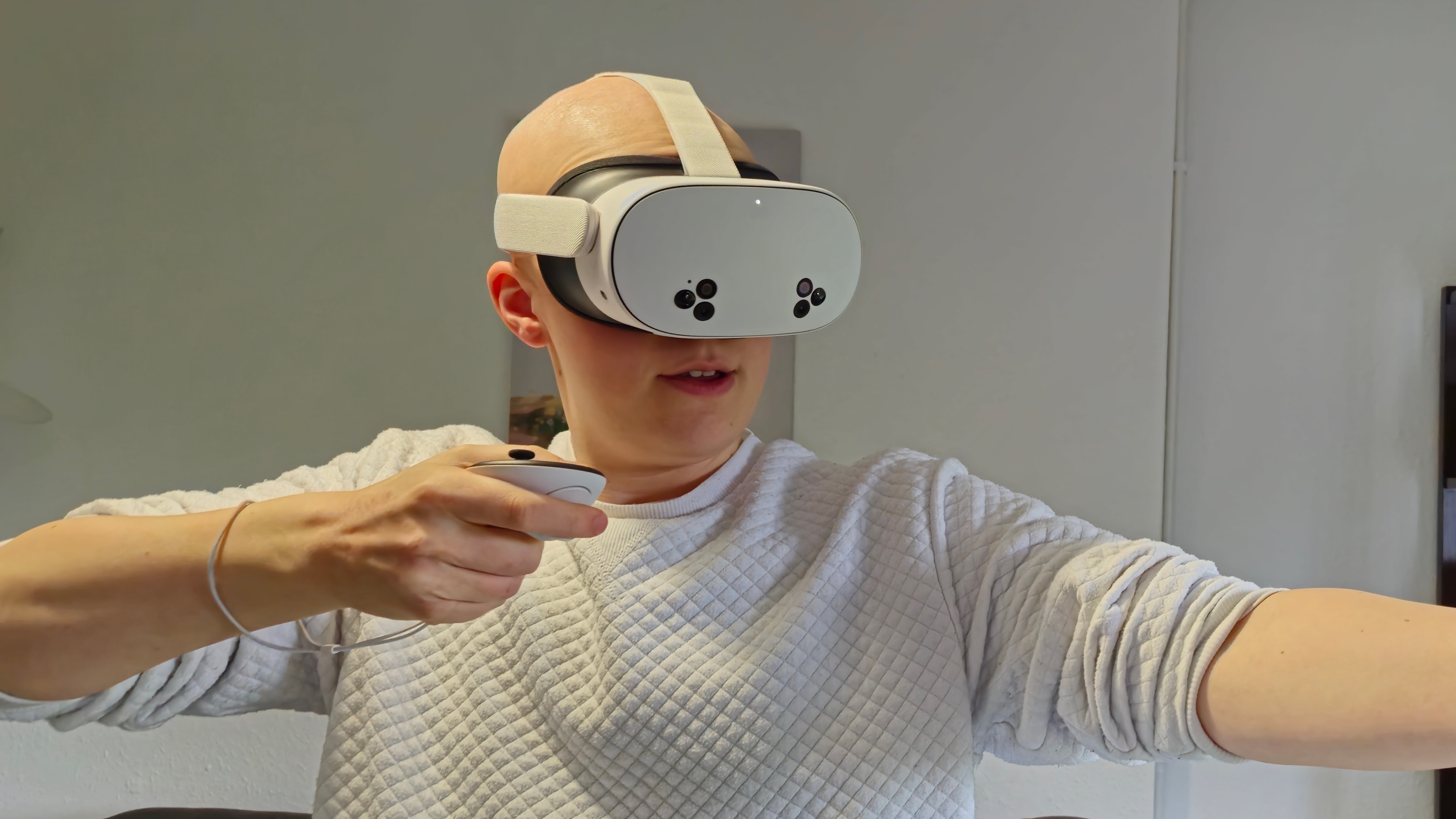
It’s clear that VR has been generally struggling, but I’m hopeful the VR Glasses, in conjunction with Xreal Aura (which ticks a lot of the same boxes) and other future headsets / glasses, will help to bring excitement, accessibility, and users back to VR.
We’ll have to wait and see, but I think the future of VR is looking a little brighter again.

Follow TechRadar on Google News and add us as a preferred source to get our expert news, reviews, and opinion in your feeds.