Like many people who’ve just installed the new iOS 27, you’re probably wondering why Siri doesn’t seem quite like the new all-singing, all-dancing AI assistant you were promised.
Try to strike up a conversation with it and it will still try to palm you off to ChatGPT, or just throw up a load of web links instead of answering you directly. You’d be forgiven for wondering whether Siri AI is just another failure.
Part of the problem is that Apple‘s terminology makes it genuinely confusing, but there’s an important distinction between iOS 27’s Siri and Siri AI that you need to make. Let me explain.
Installing iOS 27 gives you some new Apple Intelligence features, but it does not automatically give you the headline new Siri. The big Siri upgrade is Siri AI (Beta), which you can apply for, but requires joining a separate waitlist.
Of course, that doesn’t mean you don’t get anything new with iOS 27, though, so let’s break it down.
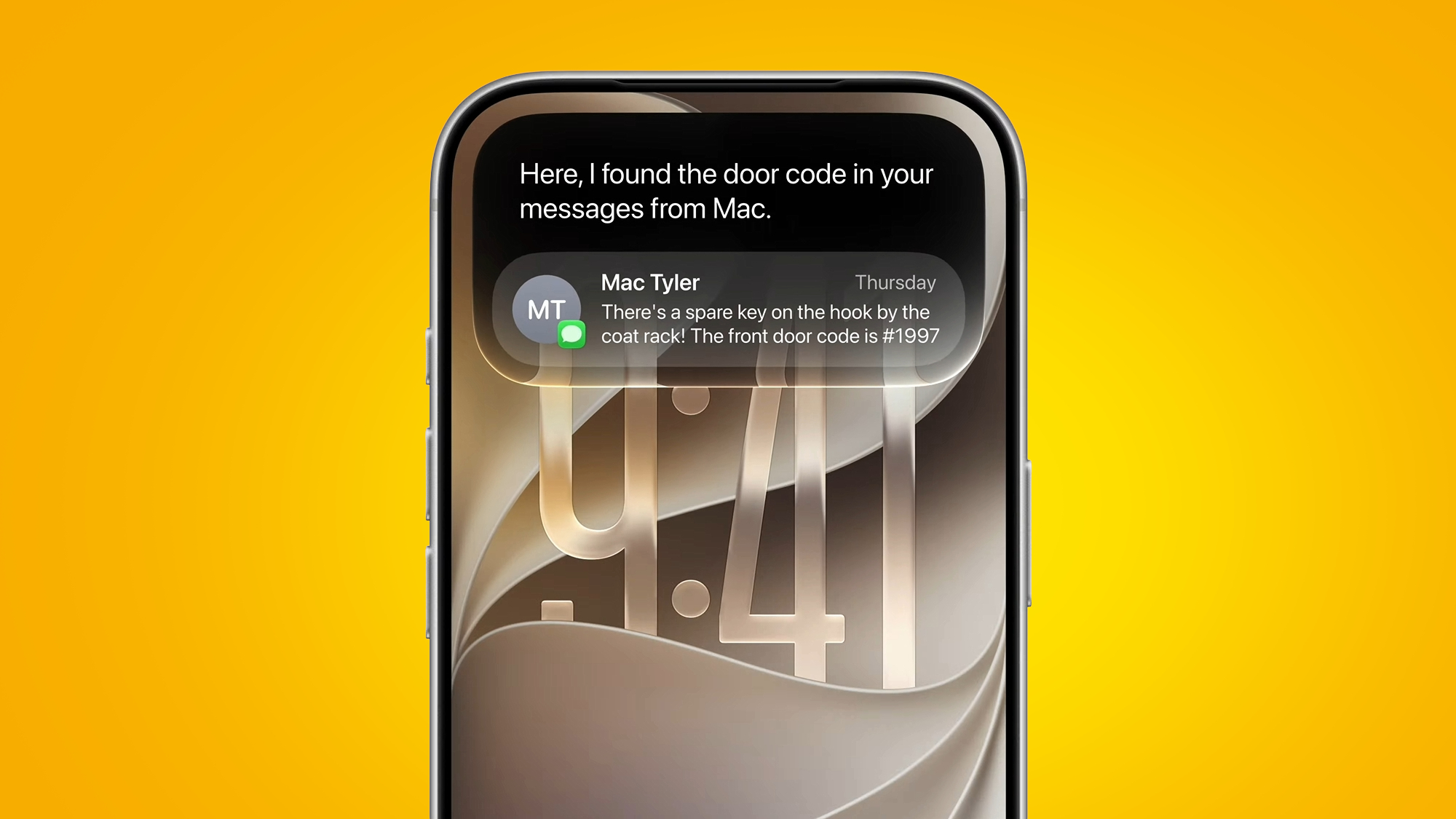
What you get in iOS 27 without joining Siri AI (Beta)
Most of the really dramatic Siri improvements aren’t actually part of ordinary Siri. With iOS 27, however, you do get new Apple Intelligence features elsewhere on your iPhone.
For example, existing Writing Tools remain available without Siri AI, while iOS 27 adds things such as Live Translation in Messages, FaceTime and Phone. There’s also Call Context, which can surface relevant information such as an airline confirmation code while you’re on a call, improved Smart Replies, Mail suggestions and suggested polls.
Visual Intelligence is another useful AI feature that works without Siri AI. Just click and hold the Camera Control button to activate it.
Visual Intelligence is a way of asking ChatGPT, using your voice or text, about what your camera is looking at, as well as searching for similar things online using Google. You can also use it to identify plants, translate text and turn dates on posters or flyers into Calendar events.
There’s an onscreen version of Visual Intelligence too, although it’s a bit clunky to use. Take a screenshot with the Side + Volume Up buttons and you’ll see Visual Intelligence tools appear at the bottom, including Ask, Search, Summarize, and actions such as Add to Calendar. Again, once you tap Ask, you can speak your request instead of typing it.
But these are really iOS and Apple Intelligence upgrades, rather than Siri becoming something like ChatGPT. For that you’ll need the upcoming Siri AI.
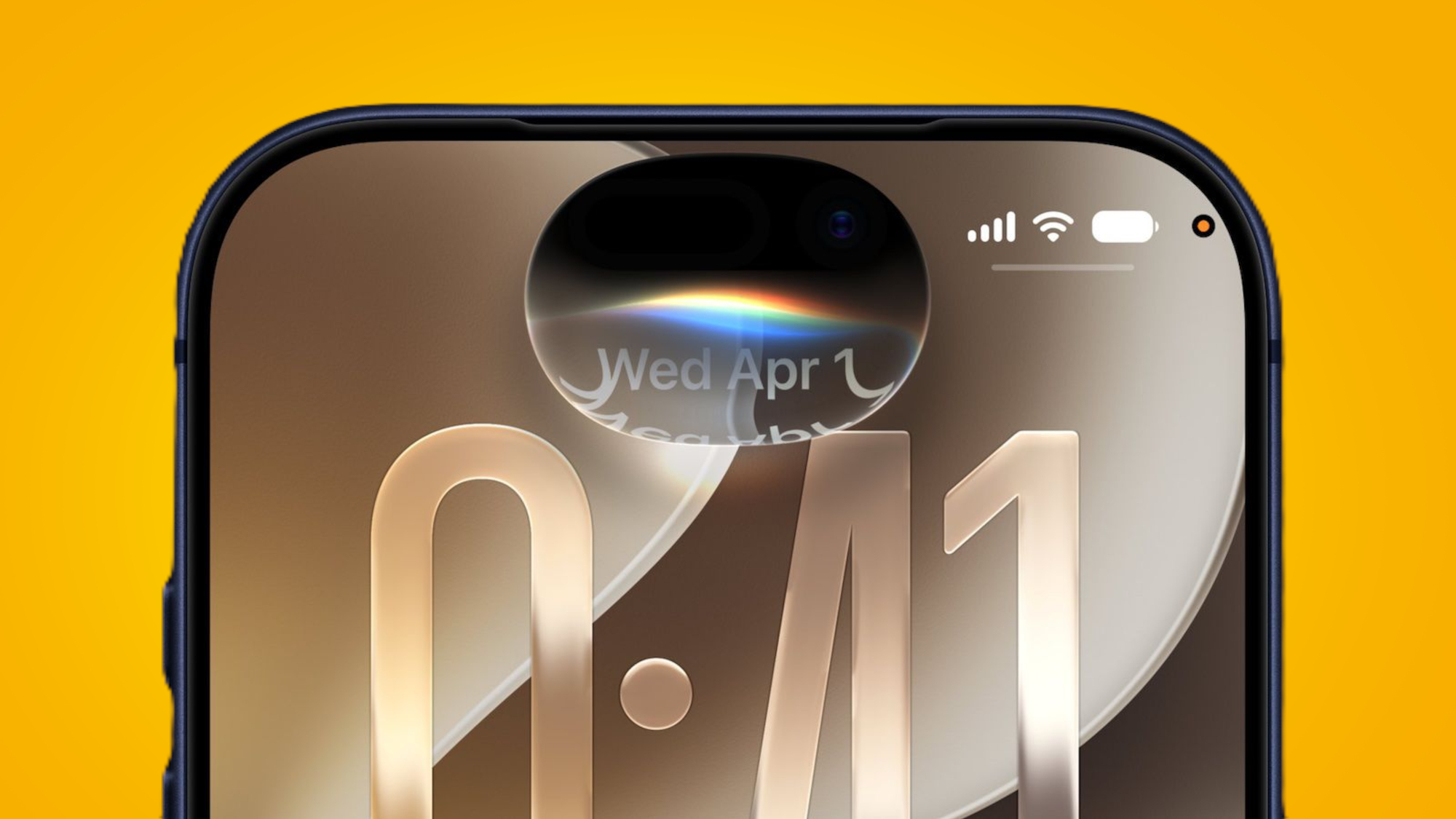
What you DON’T get until Siri AI (Beta)
With Siri AI, Apple has a long list of new capabilities it says Siri gains:
- Broad world knowledge — with proper conversational answers to general questions rather than relying so heavily on search or ChatGPT.
- Personal context — it can find things buried in your Mail, Messages, Photos and Notes apps, even from fairly natural descriptions.
- Onscreen awareness — you can ask Siri about whatever you’re currently looking at without having to take a screenshot. Apple’s examples include asking it to explain a diagram in your class notes or compare two reports in Files.
- Much deeper app actions — Apple gives examples including finding information and then drafting an email, or editing and sharing a set of photos.
- Real generative writing — in the new version, Siri itself can compose text from scratch, rewrite, proofread and critique writing. Without Siri AI, you’re using the separate Writing Tools instead.
- Conversational history — there’s an entirely new dedicated Siri app that sits on your Home screen, with conversations synced privately through iCloud so you can start on one Apple device and continue on another.
- Visual Intelligence through Siri — rather than invoking Visual Intelligence separately, you can simply ask Siri questions about what’s on your screen.
- More natural speech and dictation — on supported hardware, Apple says its new on-device model gives Siri more expressive voices, customizable pace and expressiveness, and improved system-wide dictation. This is an area where Siri currently stands well behind Gemini Live and ChatGPT Voice.
- Personalized writing style — Siri can apparently learn how you communicate with different people. Apple’s example is recognizing that you normally send your manager short bullet points and drafting your text accordingly.
And that’s the Siri AI you don’t have yet.
Join the waitlist
The good news is that you can apply to join the beta right now. Go to Settings > Siri, where you should see Siri AI (Beta) at the top of the screen. Tap Join waitlist and you’ll be added to the queue. You’ll get a notification when Siri AI is available for you.
There are also some major regional restrictions. Siri AI isn’t currently available on iPhones or iPads in the European Union, although EU users can access it on Macs and Vision Pro. In mainland China, Siri AI isn’t currently available at all for users whose Apple Account region is set to China.
Because I’m in the UK, the EU restrictions don’t apply to me. I’ve joined the waitlist now, so I’ll be putting Siri AI through its paces as soon as Apple lets me in. Until then, if you’ve installed iOS 27 and wondered why Siri still feels suspiciously like the Siri you had yesterday, there’s a simple explanation: it pretty much is.

Follow TechRadar on Google News and add us as a preferred source to get our expert news, reviews, and opinion in your feeds.