Facing a difficult decision
With the retirement of Dragon likely by or before 2030, NASA faced a difficult decision. As it contemplates a future in low-Earth orbit, the space agency is considering extending the International Space Station’s lifetime to 2032. It is also supporting the development of private space stations, known as CLDs (commercial LEO destinations). The space agency needed some way to get its astronauts there.
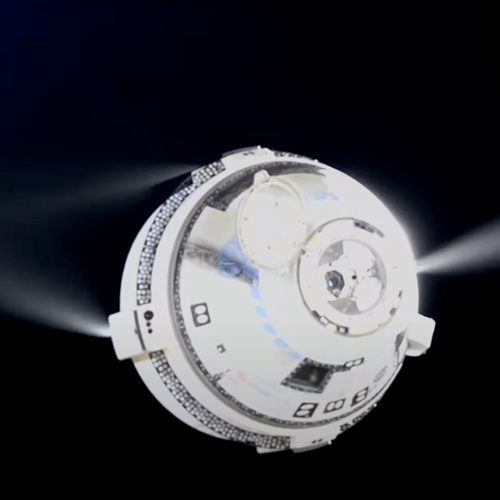
Starliner, for all of its flaws to date, was evidently the best option. Some critics have suggested that NASA should fund a second crew competition that would include Boeing, Blue Origin with its under-development “space vehicle” and potentially others such as The Exploration Company.
But Isaacman seemed reluctant to make such an investment, which likely would cost billions. During the news conference, he noted that NASA’s future demand for astronaut flights to low-Earth orbit will be two seats every six to nine months. The nation has already invested heavily in Boeing’s effort, and with Starliner close to being ready, it would be foolish to throw the nation’s considerable investment away, NASA officials said.
Boeing, for its part, appears to be energized by the opportunity to claim the mantle of the nation’s provider of access to low-Earth orbit for US astronauts.
“We’re incredibly excited about the partnership with NASA,” said John Mulholland, vice president and program manager of Commercial Crew at Boeing. “To continue to fly to the International Space Station, and then obviously, with the Vulcan certification, missions beyond the current six that we have. Certainly, we have talked to all of the CLD providers about becoming their preferred transportation supplier in the future.”
Boeing will compete against … Boeing?
All of this requires Boeing to execute, of course, which it has yet to do. Another major concern for NASA and the private space station operators is the cost. Boeing, for a time at least, is likely to have a monopoly on crew transportation after Dragon exits the market.
For the Starliner-2 through Starliner-6 missions, NASA and Boeing have agreed to a price point of approximately $90 million per seat. However, this summer, as Boeing was negotiating with CLD providers, the company would not commit to seat prices in the 2030s.
“We couldn’t provide detailed pricing to the CLD suppliers as the Vulcan rocket has not been certified, and the spacecraft has not been certified, and we don’t have detailed pricing on the Vulcan,” Mulholland said. “That will come in the future, and obviously we want to be as competitive as possible.”