- Rumor has it that Intel’s CPU with integrated Nvidia RTX GPU is planned to debut early in 2028
- We could see an announcement at CES 2028
- This will be a powerful mobile chip that could be a huge step forward for gaming laptops and handheld devices
Intel processors with integrated Nvidia RTX graphics are coming, we know that, but we now have a rumor of a rough timeframe, namely early 2028.
VideoCardz reports that according to YouTube tech reporter Erdi Ozuag on X, Intel’s silicon roadmap currently has its processors featuring built-in Nvidia GPUs as launching in the first quarter of 2028.
In theory, then – assuming this is true, and the planned timeline doesn’t slip – we could be looking at a CES 2028 launch for these chips which are codenamed Serpent Lake.
Also regarding the timeline, it aligns with the expectations for the release of Nvidia’s next-gen of GeForce RTX GPUs, which is currently forecast to debut in 2028.
Ozuag adds that the prospect of Intel producing Apple silicon continues to advance, and the final quarter of 2027 is apparently the target for Team Blue to be making chips for MacBooks or iPhones (probably lower-end models, the rumor mill has previously suggested). This (theoretically) represents Apple diversifying somewhat away from TSMC for chip production duties.
Analysis: a lot of potential – but some questions too
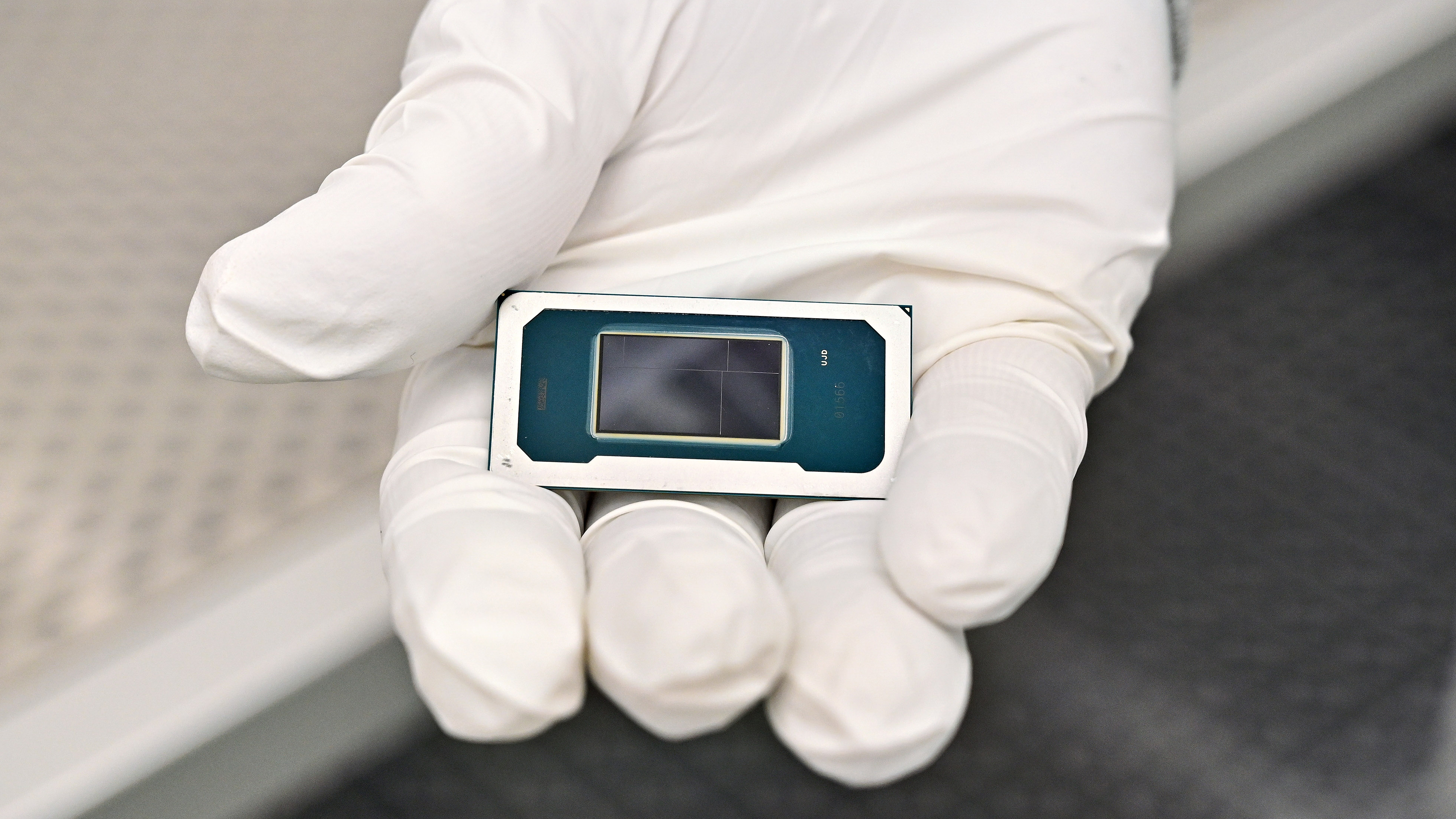
An Intel processor with Nvidia RTX chiplet on-board to provide graphics muscle should be a huge move for the PC world. Granted, we know very little about the chip as it stands, but packing next-gen RTX graphics is likely to mean this could usher in SoCs which are revolutionary for the performance of thin-and-light gaming laptops. Indeed, these Intel processors should prove excellent for elevating gaming handhelds too.
If this rumor is true, it means these Intel chips are potentially only a year and a half away. Or at least that’s when we could first see the silicon announced, although the notebooks packing the chips themselves may take a fair bit longer to arrive on shelves.
Of course, a lot of how this timeline plays out may be heavily dependent on what happens with the current RAM and component crisis, and its impact on the world of laptops in general. (Which could get substantially nastier as time rolls on – as I’ve discussed elsewhere recently, I think now could be a smart time to buy a laptop based on the indicators we’re hearing from various key players in the PC sphere – and indeed phones for that matter).
Other questions remain, such as: where does this leave Intel’s own Arc graphics plans? And how will this partnership play out given that Nvidia is now spearheading a fresh thrust to make Arm devices more relevant in the realm of Windows 11 laptops with its RTX Spark chip – a prospect that’ll surely worry Intel (despite the brave face in public)?
There are a few unknowns as to how all this will unfold, let’s put it that way, but this Intel and Nvidia collaboration still remains an exciting prospect.

Follow TechRadar on Google News and add us as a preferred source to get our expert news, reviews, and opinion in your feeds.