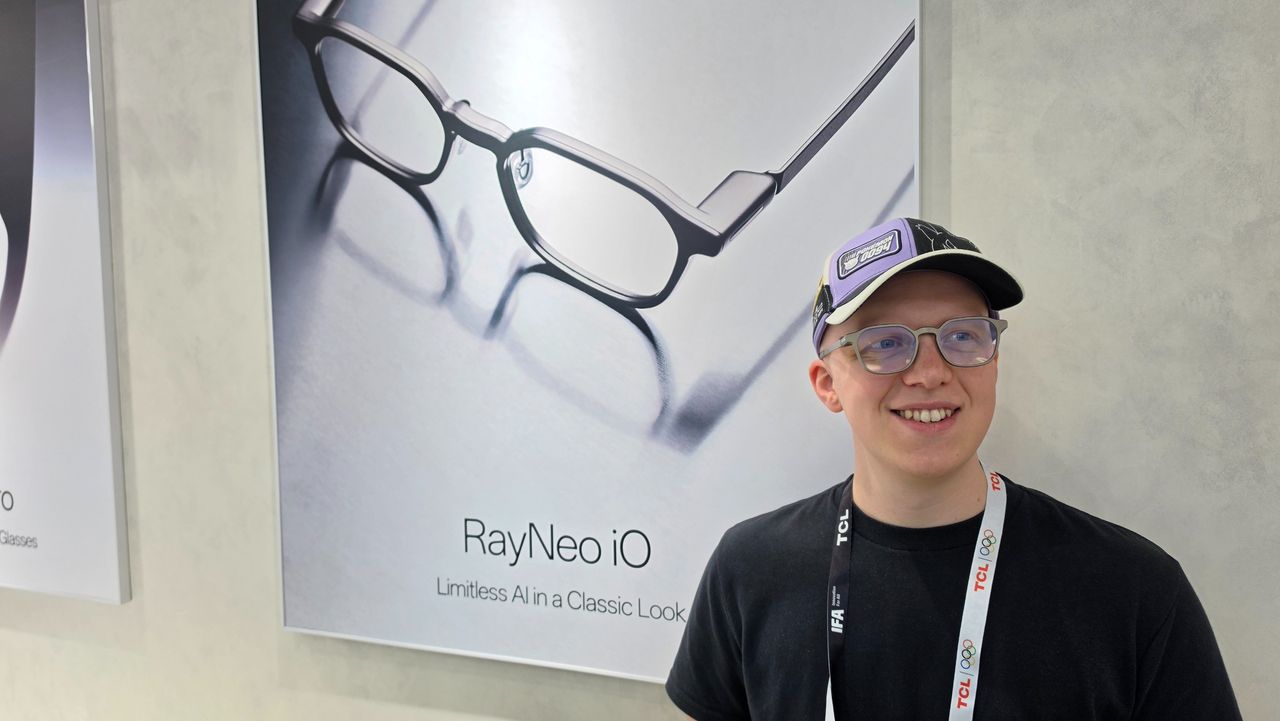
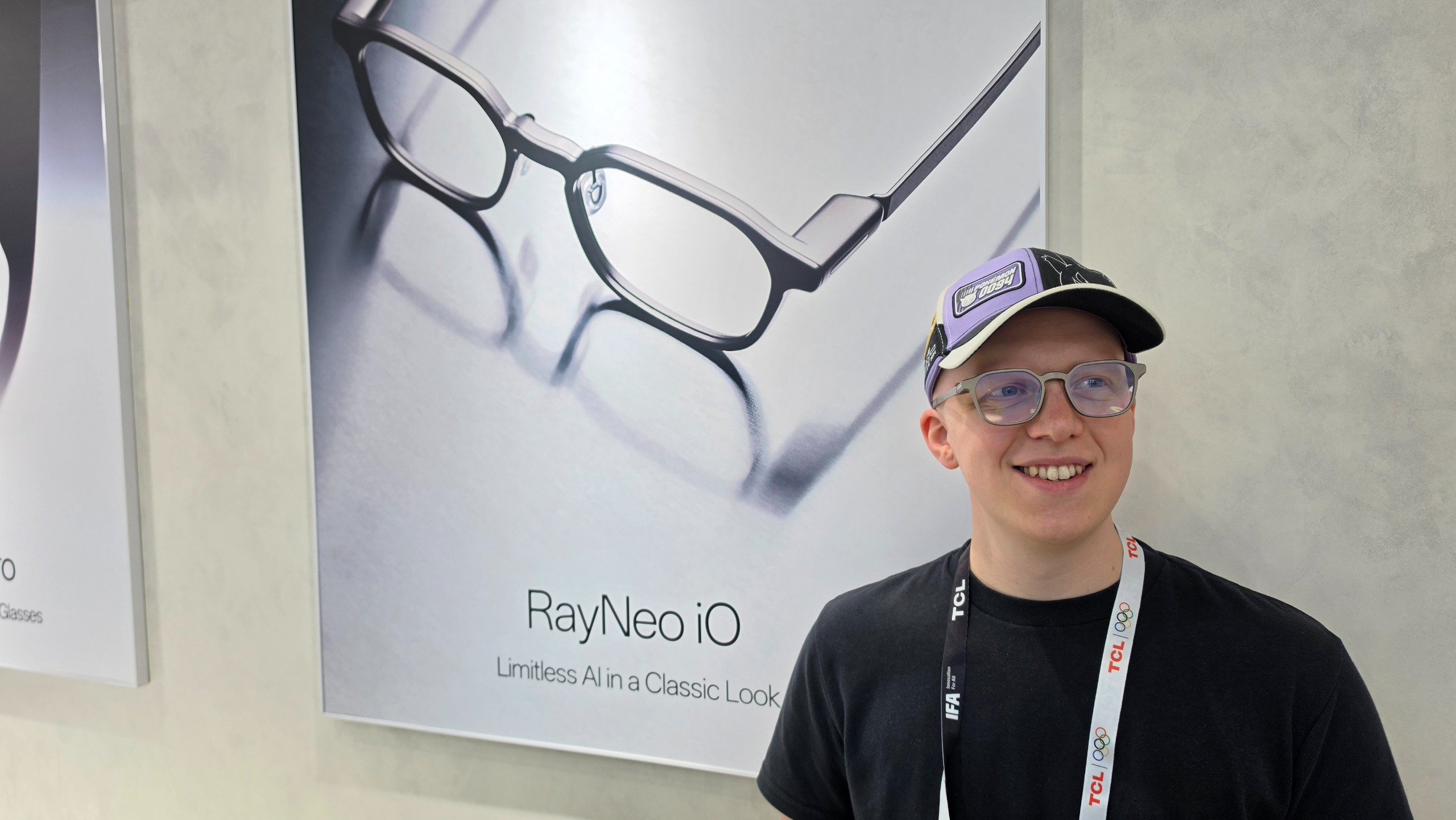
At IFA 2026 I got to experience several pairs of smart specs including two from RayNeo: the impressive GT Max glasses which could be my new favorites, and the RayNeo iO.
I’ve tried specs like iO before. They’re smart like Meta Ray-Bans — meaning they can link up with apps and offer AI assistance on the go — but hide clear displays for HUD elements in their lenses, and — crucially, given the current backlash against so-called “pervert glasses” — lack a camera. And so far I’ve been unimpressed by the models like this that I’ve tested.
While not having a camera is a big privacy boost, it also strips out an incredibly useful tool that can be used for capturing first-person memories or giving the AI the context of what you can see. What’s more, the app used to control the specs and on-device controls can be pretty terrible. I haven’t felt convinced that the features left behind once you remove the camera are really for me.
Out of the gate, the app and controls have been solved in the RayNeo iO. My experience with the app is that it’s incredibly smooth, with features loading up quickly.
Meanwhile moving between apps on the glasses is a breeze with the Digital Crown, a physical dial and button (yes, just like the Apple Watch and AirPods Max control of the same name) that’s perfect for cycling between options. It’s less temperamental than swiping on the frame, and more convenient than always needing your phone in your hand.
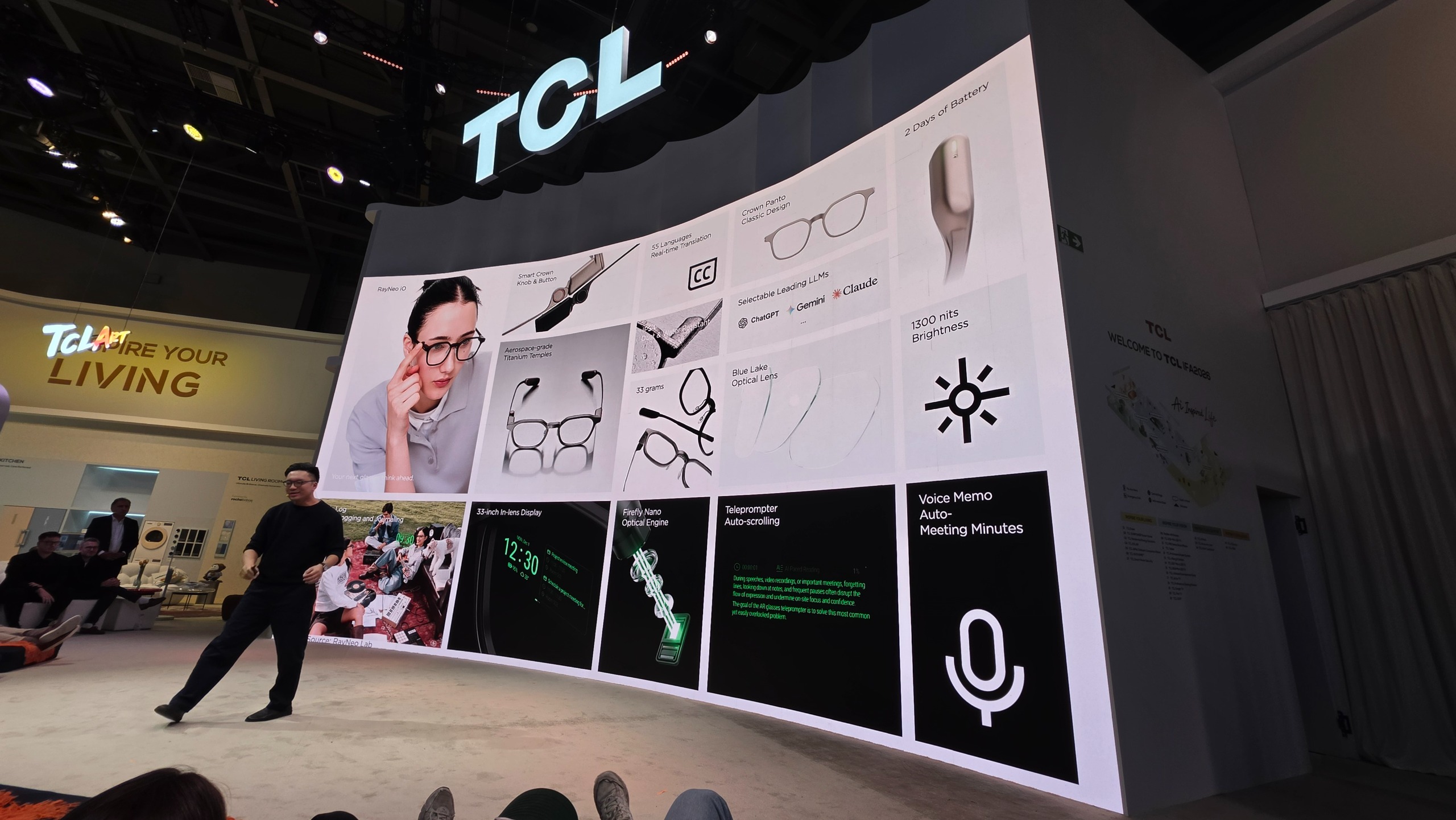
As for the features themselves, I’m still not convinced they’re for me, but they do have their uses. You can see notification popups, create memos for yourself, there’s real-time translation and captions, you can call on AI assistance, have easy access to information such as stock prices, or use them as a teleprompter.
The captions actually seem like an awesome accessibility tool for anyone hard of hearing, and RayNeo showed me how a deaf person can see the text of someone talking to them without needing to be able to see them and watch them sign — the glasses can effectively tell someone hard of hearing if someone behind them is trying to get their attention.
The standout tool of iO is Life Log, though. The glasses may lack a camera, but they can record every detail of your day through microphones, which pick up the sounds of your conversations, meetings, and musings to create detailed diary notes of what you’ve experienced.
This includes summaries of activities, suggestions for to-do list items you should remember to complete, and it can be used to inform third party AI services about your life if you choose to share it.
If you’ve been following the announcement of Apple’s Audio Intelligence tools on Apple Watch, it’s very much like that.
Features vs privacy
On this, RayNeo made clear to me in an interview that these specs are privacy-first. No recordings are ever stored, instead the AI transcribes and summarizes in real-time. Plus, the whole process is handled on device — across your glasses and phone — so nothing is shared with a server unless you choose to share it. Additionally, you won’t need to enable data sharing to access the tool.
Of course, there are still privacy considerations. A lack of cameras will cut out some of people’s smart glasses uneasiness, but audio recording can still be invasive (and illegal without consent in some parts of the world, such as two-party consent states in the US). The specs do let others know when you’re recording with a light, though it’s not the most obvious indicator.
But I like that you have good control over your data and how it’s shared with RayNeo and other services without locking yourself out of AI functions entirely.
My only other concern with the specs based on my quick demo of them is the Conversation Assistance feature, mostly because it feels a tad icky to me.
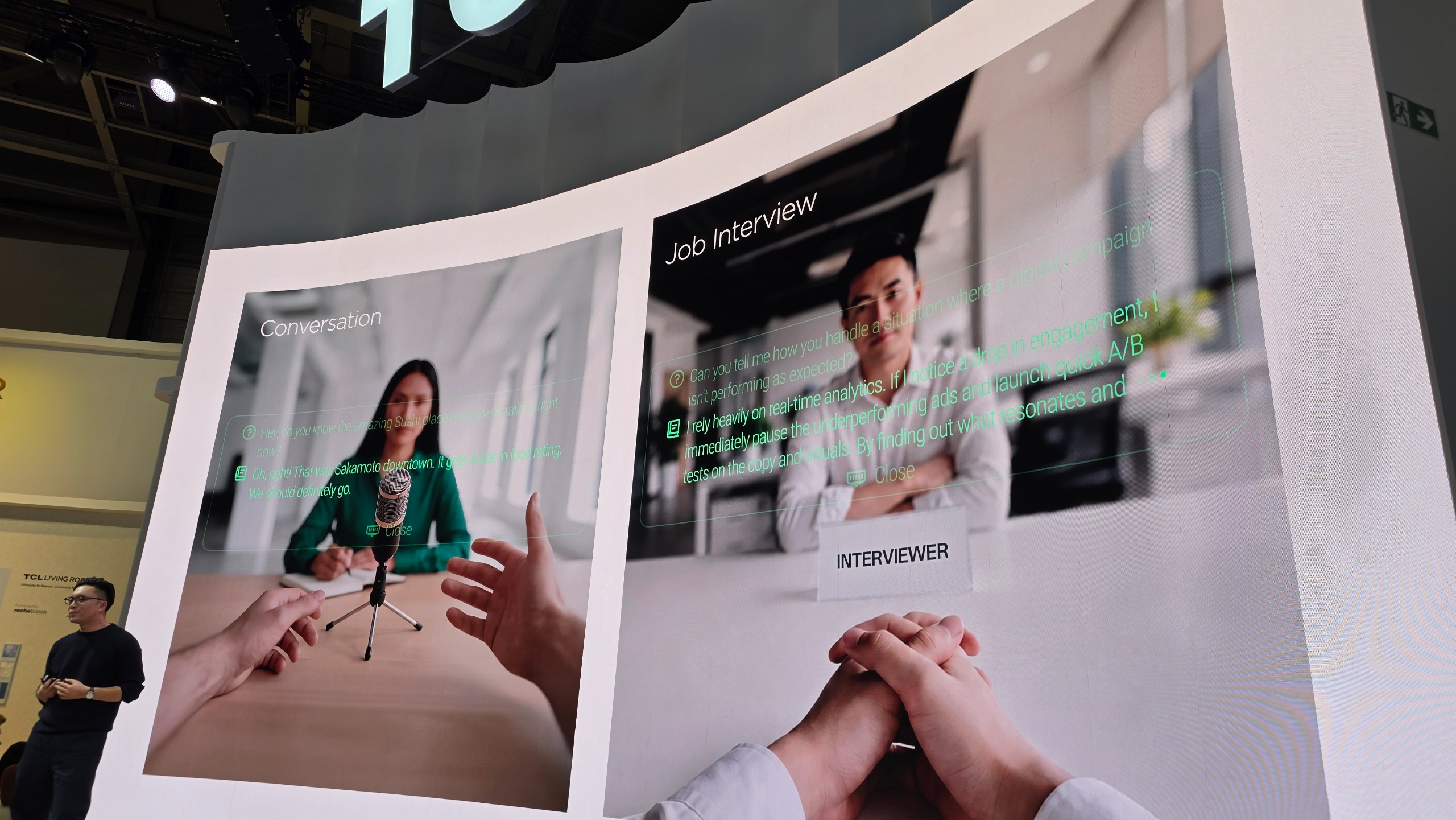
You can have the specs listen in on a conversation you’re having — with demo reels showcasing it being used on a date or at a job interview — and the AI will display prompts for what you should say next in response to someone. I could perhaps understand this for a job interview if you’re super nervous, but I just kind of hate it overall.
Social interactions, be they dating or talking in a meeting, are a human aspect we shouldn’t be offloading. We should be engaging actively with each other, participating in life, not sitting back mindlessly and letting an AI respond for us.
Of course I’ll need to review RayNeo iO properly to judge it fully, but my initial takeaway is they’re the best cameraless smart specs I’ve seen so far. And tools like live captioning could be an amazing accessibility tool for folks who are hard of hearing.
I’m still not convinced this design is my cup of tea, but that’s perfectly okay. Speaking to smart glasses wearers at IFA, there’s a growing love for these cameraless designs as the Meta Ray-Ban backlash grows, and perhaps RayNeo’s design and stable software will prove to me why if I spend more time with them.

Follow TechRadar on Google News and add us as a preferred source to get our expert news, reviews, and opinion in your feeds.