
The annual award ceremony features miniature operas, scientific demos, and “24/7″ lectures.

Ig Nobel Master of Ceremonies Marc Abraham. Credit: YouTube/Improbable Research
Ig Nobel Master of Ceremonies Marc Abraham. Credit: YouTube/Improbable Research
It’s that time of year again, when we learn which lucky scientists are among the winners of the Ig Nobel Prizes. This year, the prizes honor research on designing the perfect splash-free urinal; using mosquito proboscises to “necroprint” tiny nozzles; studying composition rates of buried cotton underwear; and the aerodynamics of a healthy nose-blow, among other highlights.
Established in 1991, the Ig Nobels are a good-natured parody of the Nobel Prizes; they honor “achievements that first make people laugh and then make them think.” The unapologetically campy awards ceremony features miniature operas, scientific demos, and “24/7 lectures,” whereby experts must explain their work twice: once in 24 seconds and the second in just seven words.
Acceptance speeches are limited to 60 seconds. And as the motto implies, the research being honored might seem ridiculous at first glance, but that doesn’t mean it’s devoid of scientific merit. In the weeks following the ceremony, the winners will also give free public talks, which will be posted on the Improbable Research website.
After 35 years in Boston, the annual prize ceremony will take place in Zurich, Switzerland, this year and will continue to be held in a European city for the foreseeable future. The reason: concerns about the safety of international travelers, who are increasingly reluctant to travel to the US to participate. Four of last year’s 10 winners opted to skip the ceremony rather than travel to the US, and the situation has not improved.
“During the past year, it has become unsafe for our guests to visit the country,” Marc Abrahams, master of ceremonies and editor of The Annals of Improbable Research magazine, told The Associated Press in March. “We cannot in good conscience ask the new winners, or the international journalists who cover the event, to travel to the US this year.”
Next year’s ceremony will be held in Antwerp, Flanders. The Ig Nobels will return to Zurich in 2028 and every even-numbered year after that. “In that respect, it will be a little like the Eurovision Song Contest with a base in Europe,” said Abrahams, who founded the Ig Nobels and serves as emcee during the annual ceremony.
Without further ado, here are the winners of the 2026 Ig Nobel prizes.
Biomechanics

Credit: Warner Bros.
Credit: Warner Bros.
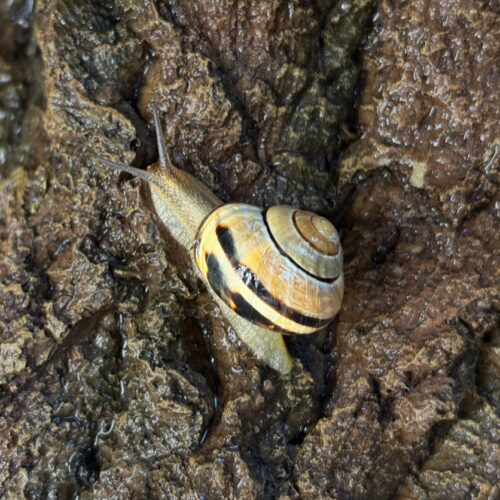
Citation: Matilda Brindle, Catherine Talbot, and Stuart West for devising a more precise definition of kissing—“non-agonistic interactions involving directed, intraspecific, oral-oral contact with some movement of the lips/mouthparts and no food transfer”—in ants, birds, polar bears, and humans.
You’d think it would be relatively straightforward to define the act of kissing. At least one study defined it as involving “protruded lips and suction movement.” But Brindle et al. argue that this is not a helpful definition from an evolutionary standpoint, since it merely describes the physical movements common to human beings. They prefer a less anthropocentric definition—after all, some form of mouth-to-mouth contact can be seen across the animal kingdom—one that includes oral-oral contact “with some movement of the lips,” but does not include things like mouth-to-mouth feeding behavior or, say, dogs licking their owners’ lips. Hence, they produced the rather convoluted definition in the citation above.
With that definition in hand, the authors concluded that most large apes engage in some form of kissing, although the researchers lacked the data to determine how many times kissing has been involved in Afro-Eurasian monkeys and apes. Eastern gorillas, however, seem to have lost that evolutionary feature at some point. And the authors concluded that our Neanderthal ancestors also engaged in kissing. As for why and how kissing evolved, that will be the subject of future research, although the researchers note there is some evidence that kissing in a sexual context may increase mating success—and every species in which kissing evolved also engages in premastication.
Economics
Credit: NurPhoto via Getty
Credit: NurPhoto via Getty
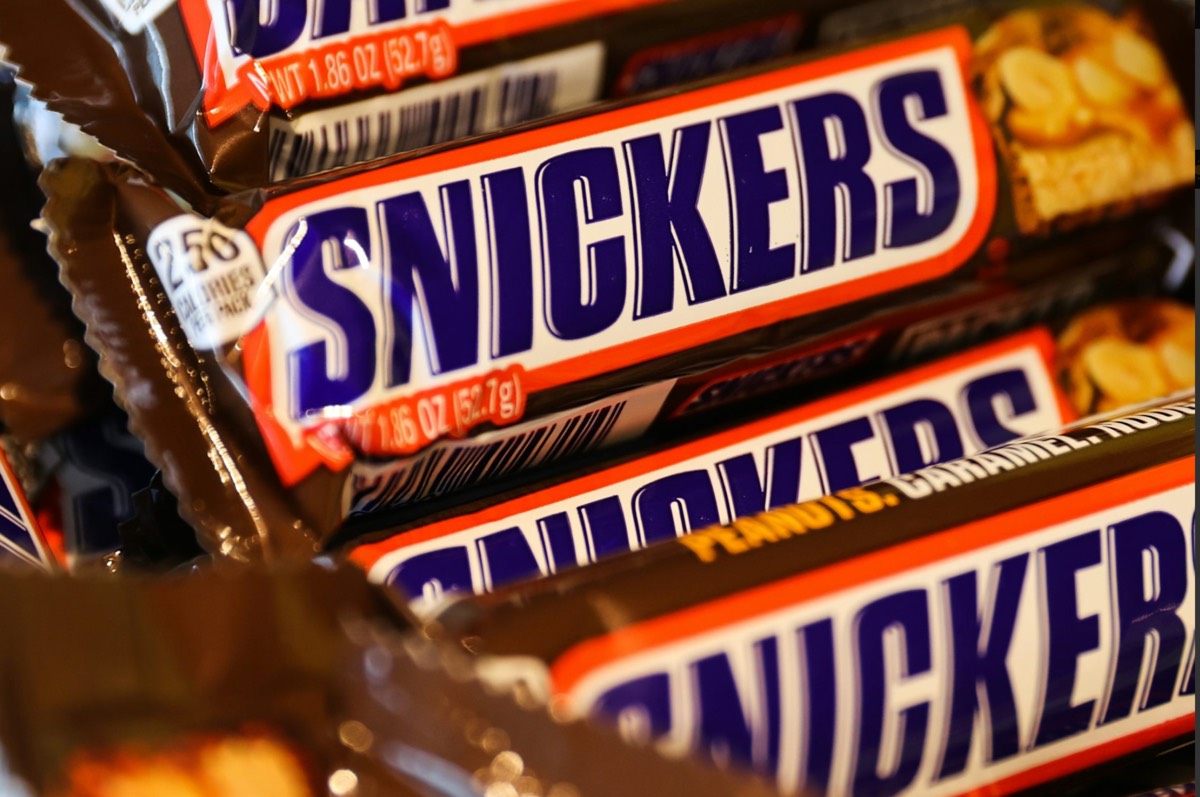
Citation: Paul Piff, Daniel Stancato, Stéphane Côté, Rodolfo Mendoza-Denton, and Dacher Keltner, for amassing evidence that upper class people are more likely to snatch from a children’s supply of candy, and engage in other kinds of unethical behavior.
Does one’s social status have any bearing on a given person’s tendency to engage in unethical behavior? To find out, the authors conducted seven related studies to examine this issue from multiple angles. For example, one field study assessed whether upper-class drivers (as adjudged by the type of car driven) were more or less likely to cut off other vehicles at a busy four-way intersection. Another one looked at whether such drivers were more likely to cut off pedestrians at a crosswalk. Yet another study tested whether subjects in a lab-based setting were more or less likely to help themselves to wrapped candies intended for children in another lab—a test of entitlement. And so forth.
Again and again, the upper-class participants proved more likely and willing to engage in various kinds of unethical activity, whether it be cutting off cars or pedestrians, taking candy from babies, or lying about their scores in a series of random dice rolls. They were also more likely to view greed as a positive attribute. That said, the authors also acknowledged the likelihood of exceptions: there are several notable examples of philanthropic and/or ethical wealthy individuals, for example, and past research has shown a correlation between concentrations of poverty and violent crime. Still, their experiments do suggest that “the pursuit of self-interest is a more fundamental motive among society’s elite,” they concluded.
Chemistry
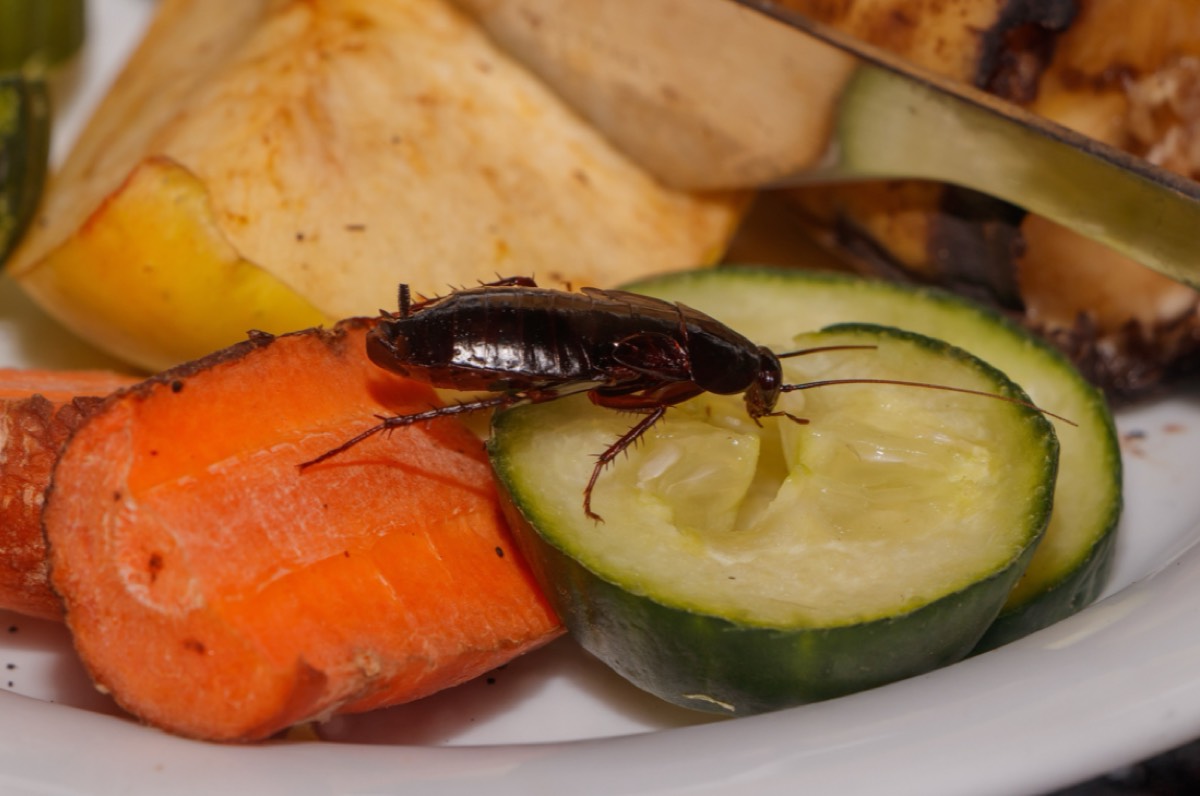
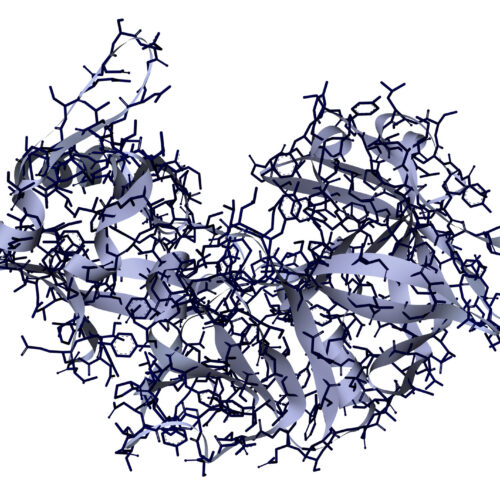
Citation: Sanchari Banerjee, Nathan Coussens, François-Xavier Gallat, Nitish Sathyanarayanan, Jandhyam Srikanth, Koichiro Yagi, James Gray, Stephen Tobe, Barbara Stay, Leonard Chavas, and Subramanian Ramaswamy for discovering that milk proteins from viviparous cockroaches pack three times as much energy as milk proteins from cows.
I confess that I was unaware that one species of cockroach (Diploptera punctata) in particular has the ability to nourish its embryos directly by producing milk during development in the brood sac wall, a type of reproduction known as “viviparity.” This has the benefit of substantially cutting down the time scale for the embryos to reach full maturity. There is a bit of yolk in the earliest stages, which the embryos use until they develop throat muscles and a gut, at which point they gorge themselves on a protein-rich liquid milk secreted by the brood sac. Once ingested, the liquid milk crystallizes in the gut.
The authors extracted milk crystals from the guts of D. punctata roach embryos harvested from a brood sac and then performed X-ray diffraction experiments, augmented with free-electron lasers, to determine the protein structure of the crystals—achieving atomic-level resolution. They found that just one roach embryo crystal contained more than three times the energy of an equivalent amount of dairy milk because of its tightly packed crystalline lattice structure, which allows a higher concentration of food to be stored. “This unique storage form of nourishment for developing embryos allows access to a constant supply of complete nutrients,” they concluded. That’s yet another reason why cockroaches will likely inherit the Earth.
Medicine
Credit: Polygram Filmed Entertainment
Credit: Polygram Filmed Entertainment
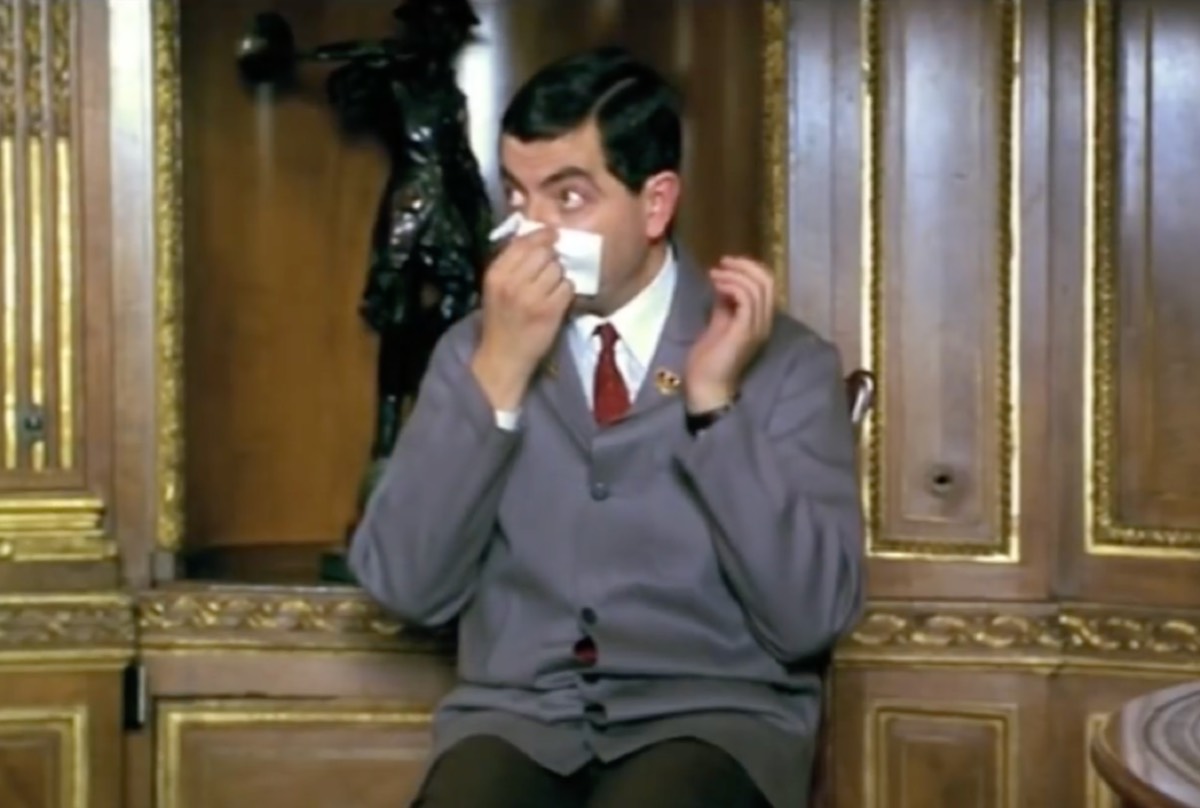
Citation: The late Tokuji Unno, for the study called “How to Blow the Nose—An Aerodynamic Study of the Nose Blowing”
This study is almost entirely in Japanese, and the translated abstract is lacking in details. But Unno was cognizant of cultural differences between Europeans and Japanese people when it comes to proper nose-blowing and wanted to quantify key aspects of the practice “to give good instructions to those who do not understand how to blow the nose.” It’s honestly not a bad idea, since blowing one’s nose incorrectly, or over-enthusiastically, has been known to lead to sinus infections—and in one rare memorable case, a woman who fractured her left eye socket.
Unno used a pair of pneumotachometers (instruments to measure volume flow of respired gases) in parallel for his experiments to determine the velocity, volume, and time scale of blowing through each side of the nose over 60 trials. He also used a balloon catheter connected to a pressure transducer to monitor pressure changes in the auditory canal. He concluded that the faster the “expiratory thrust” of the blow, the more efficiently one can expel any mucus, and pressure changes in the ear canal were not high enough in his experiment to carry a high risk of ear infection. Unno concluded that “a big and long nose blow is therefore recommended to prevent upper and lower respiratory tract diseases.”
Biology
![Bothrops jararaca—known as the jararaca[4] or yarara[5]—is a highly venomous pit viper species endemic to South America in southern Brazil, Paraguay, and northern Argentina.](https://cdn.arstechnica.net/wp-content/uploads/2026/09/snakebite.jpg)
Citation: João Miguel Alves-Nunes, Adriano Fellone, Selma Maria Almeida-Santos, Carlos Roberto de Medeiros, Ivan Sazima, and Otavio Augusto Vuolo Marques, for gently stepping on various parts of various venomous snakes—repeatedly, at various temperatures at various times of day—to try to learn what does and does not induce a venomous snake to bite a human.
Snakebites are unpleasantly painful at best, and they can potentially be fatal if the snake in question happens to be of the venomous variety. That’s why the authors honored above wanted to learn more about the various factors that may influence the likelihood of a snake biting a human—in this case, a particular species of pit viper (Bothraps jararaca) native to Sao Paulo, Brazil. They focused on evaluating the impact of body size, sex, body temperature, environmental temperature, time of day, and type of human interaction, among other factors. And yes, they really did stage confrontations with 75 venomous pit vipers in the lab, stepping on the head, mid-body, and tail while wearing safety boots, as well as merely stepping near the snakes.
The team identified a number of relevant contextual factors influencing whether a pit viper is likely to bite. For instance, they are more likely to bite during the day and during warmer temperatures—and if a human steps on their head. Young snakes, especially of the female persuasion, are more likely to bite, and body size also seems to be a factor, particularly for male snakes (smaller males are more likely to bite). These observations are consistent with existing epidemiological data on snakebites in the region.
Physics
Credit: Mia Shi/University of Waterloo
Credit: Mia Shi/University of Waterloo
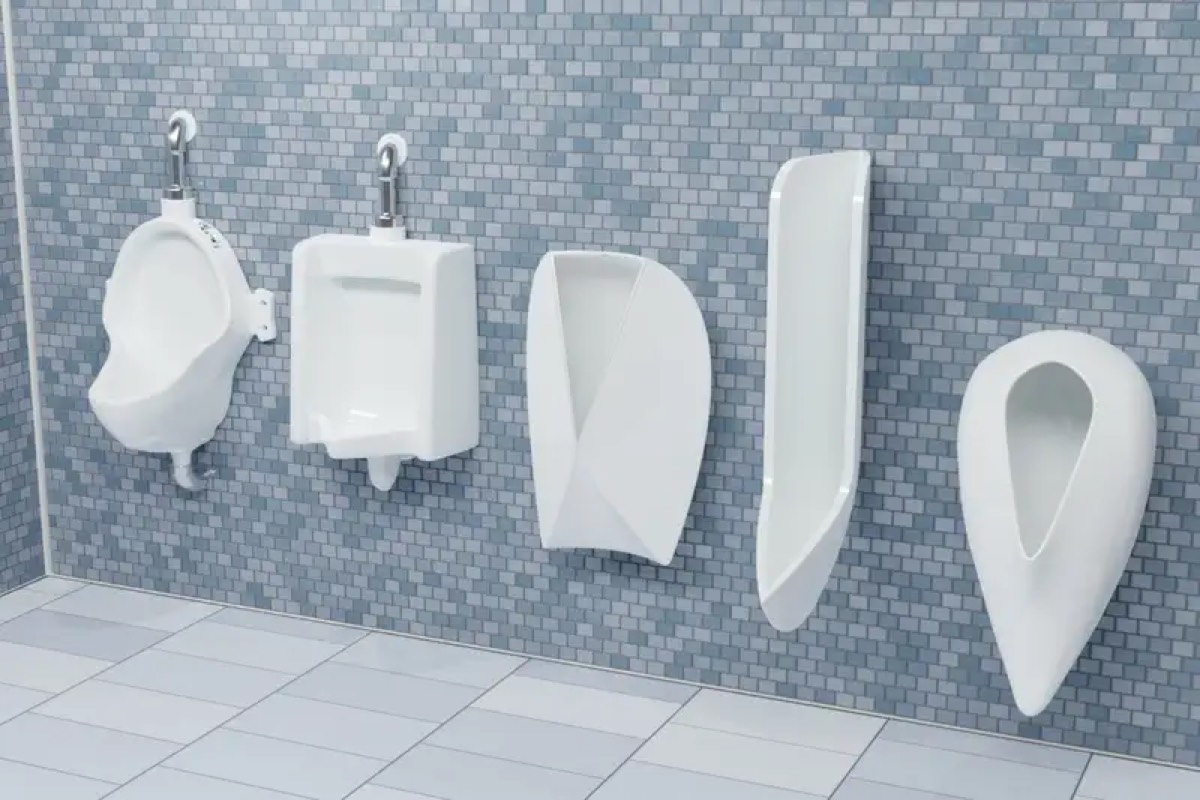
Citation: Randy Hurd, Zhao Pan, Tadd Truscott, Kaveeshan Thurairajah, for theoretical and experimental attempts to design a splash-free urinal.
Honestly, Hurd et al. are long overdue for an Ig Nobel prize for all their hard work developing the optimal design for a splash-free urinal, dubbed the Nautilus (aka the “Nauti-loo”). We first covered this unusual research back in 2022, when the researchers presented preliminary results at a fluid dynamics conference. Their final findings formally appeared in a 2025 paper published in PNAS Nexus.
According to the authors, the key to optimal splash-free urinal design is the angle at which the pee stream strikes the porcelain surface. Get a small enough angle, and there won’t be any splashback. Instead, you get a smooth flow across the surface, preventing droplets from flying out. (And yes, there is a critical threshold at which the urine stream switches from splashing to flowing smoothly because phase transitions are everywhere—even in our public restrooms.) It turns out that dogs have already figured out the optimal angle as they lift their legs to pee, and when the team modeled this on a computer, they pegged the optimal angle for humans at 30 degrees.
The next step was to figure out a design that would offer that optimal urine stream angle for men across a wide range of heights. Instead of the usual shallow box shaped like a rectangle, they landed on the curved structure of the nautilus shell. They conducted simulated urine stream experiments with the prototypes, et voila! They didn’t observe a single droplet splashing back. By comparison, the other urinal designs produced as much as 50 times more splashback. The team did come up with a second design with the same optimal angle, dubbed the Cornucopia, but unlike the Nautilus, it does not fit a range of heights, limiting its usefulness.
Technology
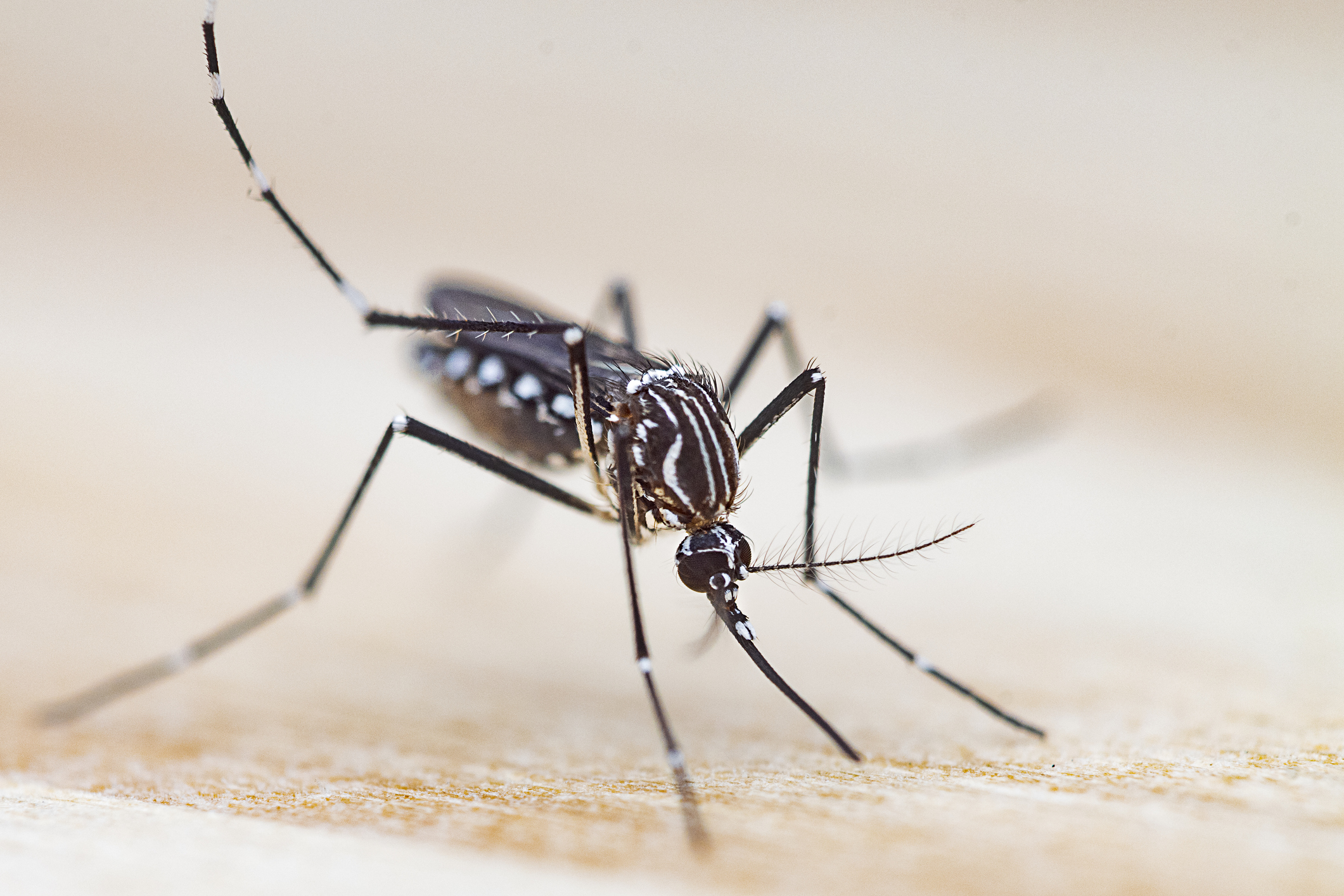
Citation: Justin Puma, Zhen Yang, Evan Johnston, Zixin Zhang, Xiaoyi Lan, Lingzhi Zhang, Hongyu Hou, Zixin He, Ali Afify, Megan Creighton, Jianyu Li, and Changhong Cao, for pioneering the use of mosquito proboscises as high-resolution 3D printing nozzles, a process called “Necroprinting.”
We covered this fascinating paper late last year. Necrobotics is a field of engineering that builds robots out of a mix of synthetic materials and animal body parts. It has produced micro-grippers with pneumatically operated legs taken from dead spiders—a 2023 Ig Nobel winner that we also covered— and walking robots based on deceased cockroaches. But this year’s winning team didn’t go the robot route; instead, they adapted a female mosquito proboscis to work as a nozzle in a super-precise 3D printer.
The researchers examined stingers of bees, wasps, and scorpions; the fangs of venomous snakes; and the claws of centipedes. All of these evolved to deliver a fluid to the target, which is roughly what a 3D printer’s nozzle does. But they all had issues that made them not quite the right choice for high-precision 3D printing. Continuous flow optimization, on the other hand, was a feature of some proboscises that certain insects use to draw blood from their prey. These were usually very thin and robust to enable piercing through thick skin, and straight to make feeding easier. The final choice of nozzle donors came down to a decision between tsetse flies, sandflies, aphids, bed bugs, assassin bugs, and female mosquitoes. The mosquitoes won out.
The team called the device a “3D necroprinter.” The necroprinter achieved a resolution ranging from 18 to 22 microns, which was two times smaller than the printers using the smallest commercially available metal dispensing tips. In the future, printers like this could be used to print scaffolds for living cells or microscopic electronic components. The idea is to replace expensive, traditional 3D printing nozzles with more affordable organic counterparts.
Olfaction
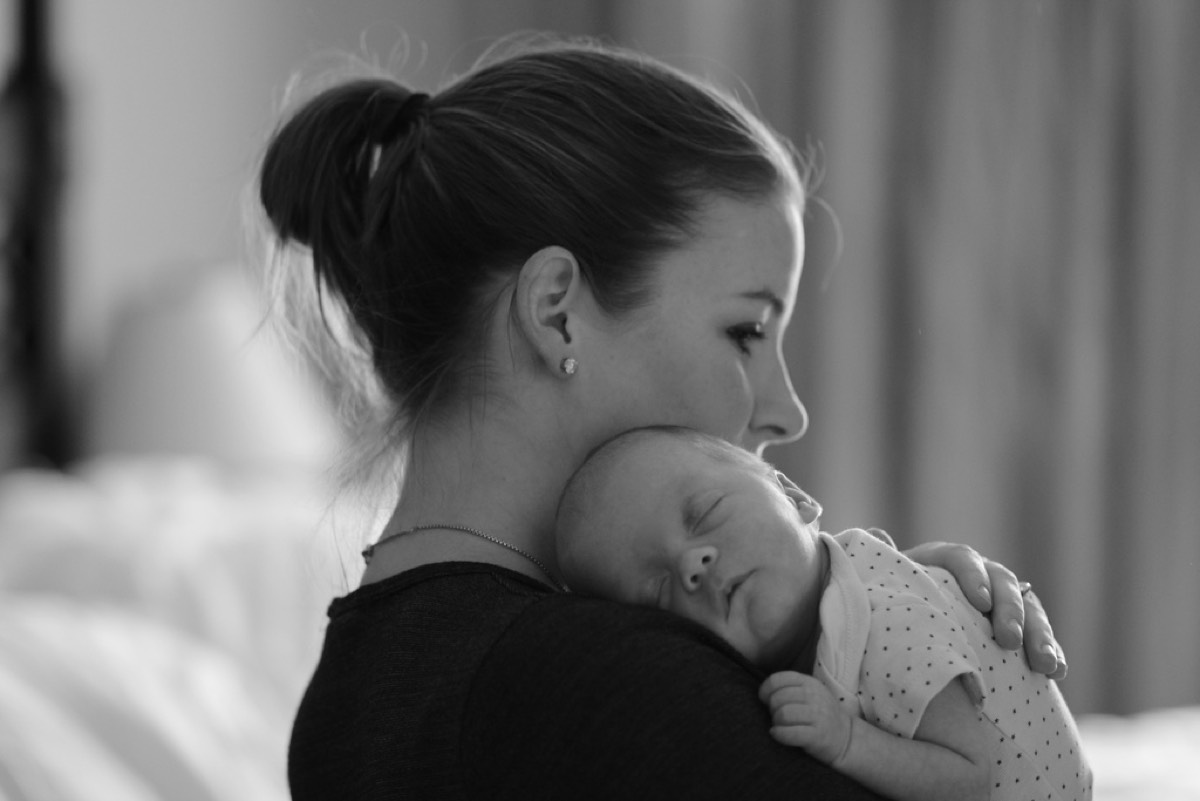
Citation: Ilona Croy, Tomasz Frackowiak, Thomas Hummel, and Agnieszka Sorokowska, for collecting evidence that babies smell wonderful to their parents but teenagers do not.
One might associate newborn babies more with stinky diapers than pleasant aromas, but there is in fact a significant body of research indicating that parents find their babies’ body odor (diapers aside) very pleasant indeed. It’s been known to activate reward centers in the brain, and scientists believe it contributes to parent/child bonding. Mothers have been known to distinguish their newborn’s distinctive smell from other babies within days or sometimes hours of giving birth.
But what happens as that same child enters puberty? There is anecdotal evidence that parents tend not to mention enjoying their teens’ body odor as the inevitable hormonal changes kick in, and prior research has suggested this might be the case because as children become more independent, there is less need for the same level of bonding. The authors asked 235 parents to complete questionnaires related to this vital issue and found the responses lined up neatly with this hypothesis. Parents of babies or young children generally very much enjoyed their personal odor, and the older the child, the lower the enjoyment. It was still positive, though, compared to children unrelated to them—on par with their appreciation of their partners’ personal odor.
Peace

Credit: Paramount Pictures
Credit: Paramount Pictures
Citation: Jaimie Arona Krems, Rebecka Hahnel-Peeters, Laureon Merrie, Keelah Williams, and Daniel Sznycer, for documenting that we value friends who are vicious to people we dislike.
If asked, most of us would say we want kind and trustworthy people as friends and don’t care for those who treat us poorly. There’s plenty of research to back that up. But Krems et al. noticed that much of that prior research looked specifically at person-to-person friendships in isolation, when in fact, we and our friends also interact regularly with plenty of other people. There’s a broader social context to be considered, in other words, and the authors decided to explore how that context might impact the qualities we look for in friends.
Over a thousand subjects from the US and India participated in six related studies designed to track people’s preferences for their friends’ behavior in various social circumstances. As expected, the subjects generally preferred friends with positive qualities when assessing how they wish said friends to behave toward them personally.
Wanting friends that are kind and trustworthy (as opposed to mean or indifferent) also held for neutral strangers, although people wanted their friends to be more “prosocial” toward themselves than others, especially if they were deemed best friends. But those dynamics shifted when it came to how people wanted their friends to behave toward their enemies. In those cases, some people preferred their friends to be more vicious towards those people in particular—but not to behave viciously more generally.
Soil science
Credit: Nicolas Zonvi
Credit: Nicolas Zonvi
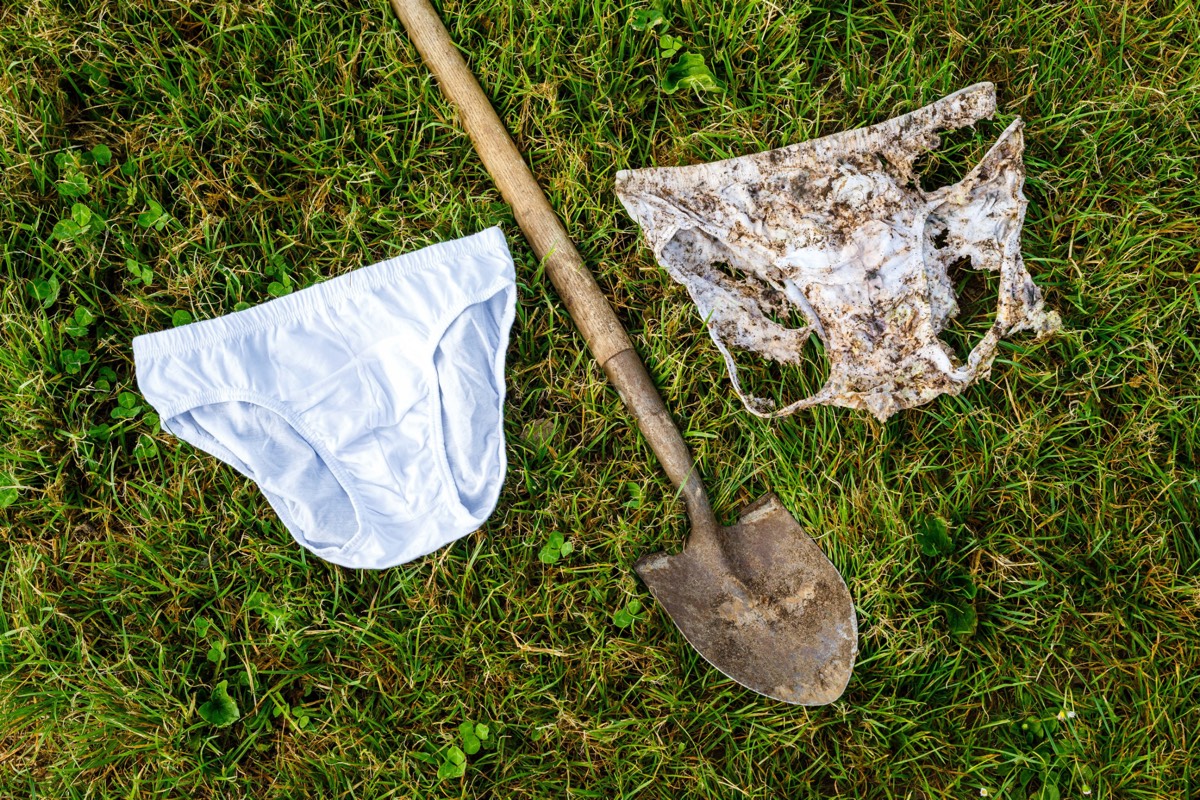
Citation: Franz Bender, Marcel van der Heijden, Atlant Bieri, and Pia Viviani, for burying 1,000 identical pairs of underpants in more than 25 countries and then digging them up after two months.
Yes, you read that right: 1,000 people voluntarily buried their cotton underpants for two months—not to keep the Underpants Gnomes from stealing them but as part of a citizen science project to map out soil health in 25 countries around the world. Soil health is critical for agriculture and, by extension, food security, not to mention a healthy global ecosystem, but it has been declining worldwide, according to the authors. One key indicator is decomposition rates of complex organic matter. Commercially available teabags are a common material used to measure decomposition rates, known as the “teabag index” (TBI). However, Van der Heijden et al. felt the TBI could be improved upon.
They sent participants an activity pack: two pairs of organic cotton men’s underpants, 12 teabags, and a sampling bag for soil collection, along with detailed instructions. Each volunteer selected a site, dug a hole, and collected a soil sample. They then buried the two pairs of underpants and six teabags in front of each and refilled the hole. Participants dug up the first pair of underpants and associated tea bags after 30 days and the second after 60 days, documenting the condition of the items and mailing all the materials to the scientists for analysis.
The results: Land use was the most important factor. Underpants decomposed the fastest in private gardens, where soil analysis also revealed the highest levels of organic matter. Lawns showed the least activity of soil organisms, with agricultural fields and meadows ranging in the middle. Temperature and moisture levels also affected organism activity, particularly if conditions were too cold or too dry, as did soil nutrient levels. Overall, the authors found that their “underpants index” provided equally meaningful information about soil conditions as the TBI, including chemical and physical properties, elevation, and moisture.
Jennifer is a senior writer at Ars Technica with a particular focus on where science meets culture, covering everything from physics and related interdisciplinary topics to her favorite films and TV series. Jennifer lives in Baltimore with her spouse, physicist Sean M. Carroll, and their two cats, Ariel and Caliban.