“Through these contracts, Thales Alenia Space will call on the full sum of our expertise to expand our knowledge base and push back the frontiers of the cislunar exploration,” Massimo Claudio Comparini, a senior official, said in 2020 when the contracts were announced.
Ars reached out to Thales on Wednesday evening for a comment about the corrosion issues. We received no reply until Friday morning, when a spokesperson said, “We are working on a statement. We will come back to you early next week.”
Northrop Grumman provided a comment within several hours of a request on Wednesday.
The European Space Agency, which was overseeing European contributions to the Gateway, finally offered a comment on Friday. The agency attributed the issue to a “combination of factors,” including materials.
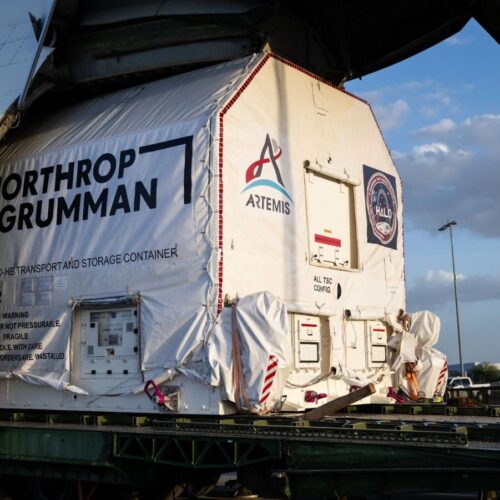
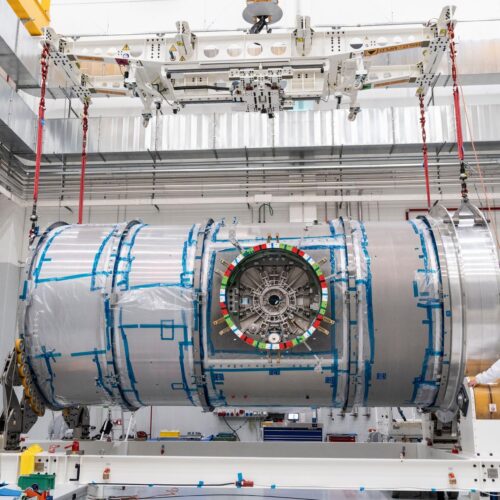
“Following the identification of corrosion on HALO, a comprehensive investigation was promptly initiated,” a European Space Agency spokesperson said. “Preliminary findings indicate that the issue likely results from a combination of factors, including aspects of the forging process, surface treatment, and material properties.”
After the issue was discovered, the European Space Agency established a “tiger team” to investigate. “Based on the investigation and available data, the corrosion issue was understood to be technically manageable and did not constitute a showstopper for I‑HAB, which was, in any case, in better conditions than HALO from [a] corrosion point of view,” the spokesperson said.
The I-HAB module remains under construction and has not yet been delivered to NASA. Its fate remains unclear as European space officials contemplate their participation in the Moon base initiative.
After publication of this story on Friday, Axiom Space confirmed that it has also experienced corrosion issues. In a statement, the company said: “Axiom Space has experienced a similar phenomenon with the first module; we are leveraging the expertise of NASA and Thales Alenia Space to address the issue. Module 1 is on track to launch in 2028.”