New pixel design and algorithm deliver more than 20% higher definition compared to Sony’s conventional product
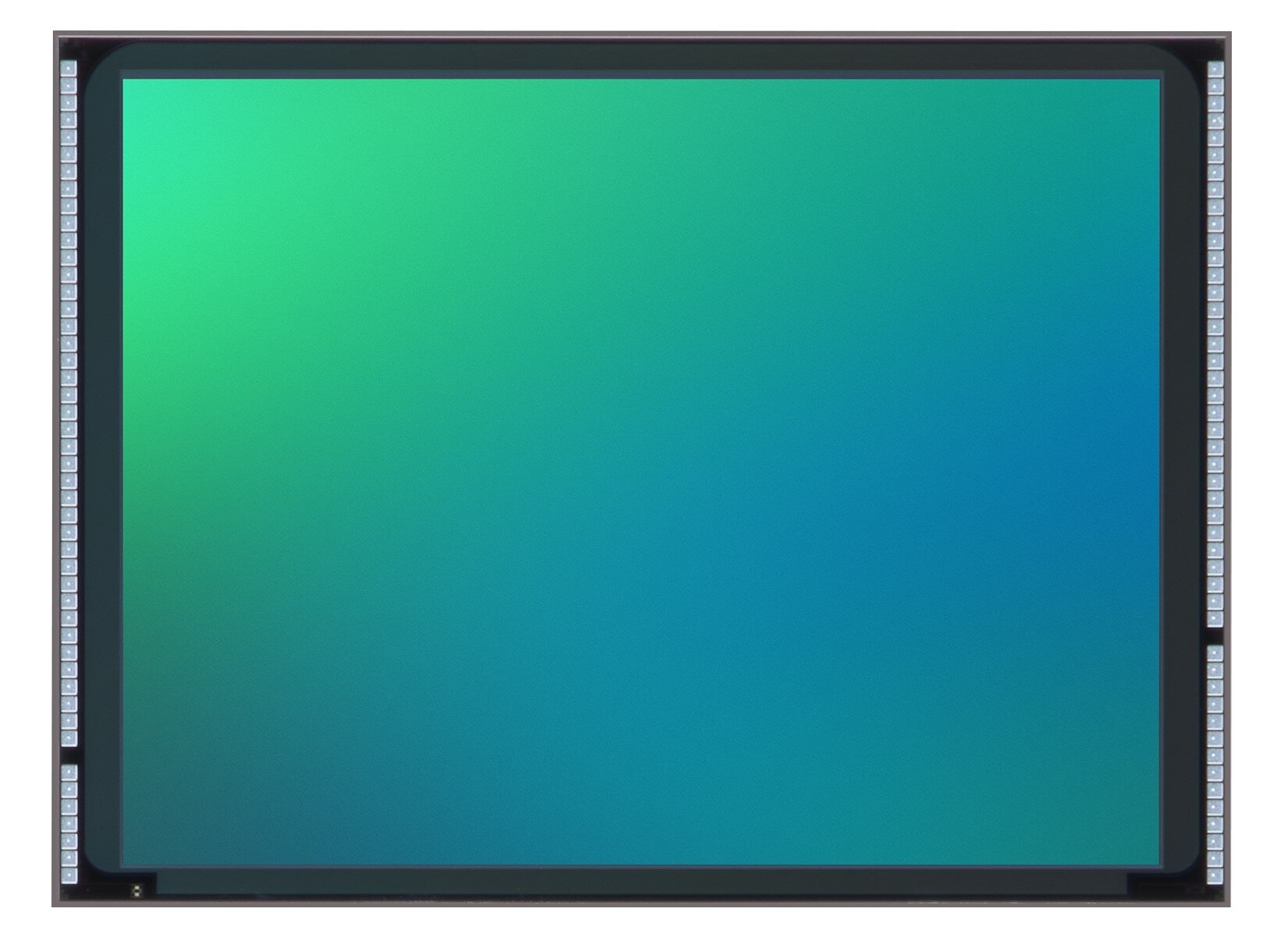
, /PRNewswire/ — Sony Semiconductor Solutions Corporation (Sony) today announced the upcoming release of the LYTIA 610, a 1/2-type approximately 64-effective megapixel CMOS image sensor with the RB2×2 On Chip Lens (OCL) pixel structure. This is the industry’s first*1 product with this pixel structure to be mass produced.
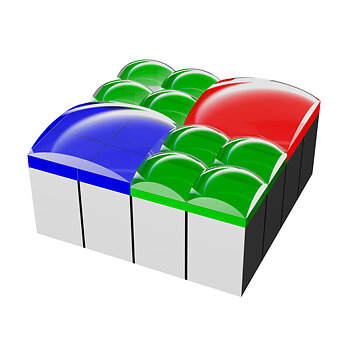
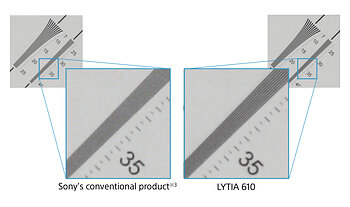
By combining the RB2×2 OCL pixel structure with dedicated array conversion processing (remosaicing) optimized for this structure, the new product achieves both improved resolution and excellent autofocusing (AF) performance at the same time. It offers more than 20% improvement in spatial resolution*2 compared to Sony’s conventional product with the same pixel size,*3 allowing telephoto cameras to capture subjects with fine detail.
The improved readout speed also enables 4K 120 fps video recording for the first time on Sony’s 1/2-type sensor. This reduces the performance gap with the large sensors used on main cameras and suppresses variations in image quality across multi-lens camera systems, enabling a more uniform shooting experience.
*1 Among CMOS image sensors. According to Sony’s research (as of announcement on June 24, 2026).
*2 Spatial resolution: An indicator used for evaluating image definition. This figure quantifies the level of detail at which thin, alternate black and white lines can be clearly distinguished. A higher value indicates a finer depiction of detail in the subject.
*3 Compared with the LYTIA 601 mobile CMOS image sensor with a 2×2 OCL construction and pixel size of 0.7 µm.
|
Model name |
Mass-production shipment date |
|
LYTIA 610 1/2-type 64-effective-megapixel*4 stacked CMOS image sensor for mobile applications |
End of June 2026 |
*4 Based on the image sensor effective pixel specification method.
Main Features
■ High resolution and AF performance achieved through the industry’s first*1 RB2×2 OCL pixel structure and dedicated algorithm
The RB2×2 OCL pixel structure features an optimal arrangement of a 1×1 OCL structure for ensuring high resolution and a 2×2 OCL structure for enhancing AF performance on a single sensor.
Furthermore, a new dedicated remosaicing (array conversion) processing algorithm was developed to further enhance the imaging performance of this unique pixel array. The optimized pixel structure and signal processing together deliver more than 20% improvement in spatial resolution compared to the conventional product*3 of the same pixel size, while maintaining superb AF performance.
■ Sony’s first 1/2-type sensor to support 4K 120 fps video recording
The logic circuits on this product employ fine processing for low energy consumption. Additionally, the AD converter (analog-to-digital conversion circuit) has been optimized through increased parallelization to achieve high-speed data readout that is double that of the conventional 1/2-type sensor.*3
The improved readout speed enables 4K 120 fps video recording for the first time on Sony’s sensor of the same size, which had been difficult to achieve with previous designs.
Please check the official website for slow-motion sample (4K 120fps), specifications and other details.
https://www.sony-semicon.com/en/news/2026/2026062401.html

Also from this source