

Americans are keeping their devices longer and are increasingly open to the idea of renting smartphones rather than owning them, according to a new survey from Allstate Protection Plans. The findings show how cost of living pressures and shifting priorities are changing upgrade habits, recycling behavior, and interest in subscription style device models.
The research, based on 1,000 responses from U.S. adults, points to a mobile market that is no longer driven by annual upgrades. Instead, durability, battery life, and overall value are shaping buying decisions.
SEE ALSO: The global smartphone market grew in 2025, but the memory crisis hangs over 2026
Renting smartphones
Only 22 percent of respondents said they upgrade within 12 months, while 27 percent replace their phone every two years. Another 23 percent stretch their devices to three or four years, and 21 percent wait until their phone breaks before upgrading. Just 3 percent replace a device within six months.
Nearly half of Americans now keep their smartphones for at least three years. That shift is changing expectations around product lifespan and resale value.
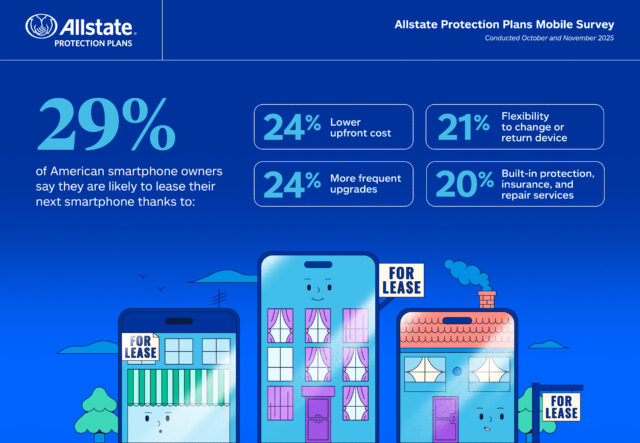
Interest in leasing is growing as a result, with around 29 percent saying they would be likely to lease a smartphone when they next upgrade or replace their device.
Lower upfront cost and the option for more frequent upgrades were each cited by 24 percent as key reasons. Greater flexibility appealed to 21 percent, while 20 percent liked the idea of bundling protection, insurance, or repair services into a lease.
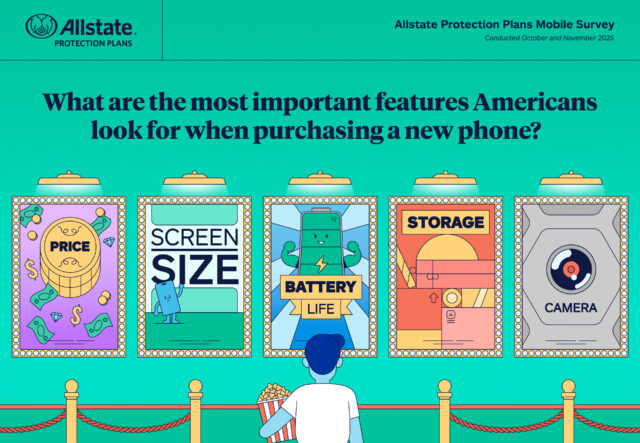
Battery life has overtaken price as the top factor influencing purchase decisions. Storage capacity and camera quality remain important, while screen size and brand also play a role.
Despite heavy marketing around artificial intelligence features, only 17 percent said AI plays a major role in their decision making. Interest could grow as AI becomes more integrated into daily use, but for now practical performance leads.
Environmental awareness is also high. About 52 percent said the environmental impact of smartphones is extremely or very important, and 65 percent agree refurbished electronics are economical and sustainable.
Adoption, though, remains limited. While 37 percent said they are likely to buy refurbished electronics, only 18 percent have purchased a refurbished phone.
About 52 percent worry about quality, 51 percent worry about defects, and 40 percent cite data privacy as a concern.
Recycling behavior also falls short of stated values. Only 20 percent recycle old phones, and 8 percent still throw them in the trash. Around 26 percent are not confident they know how to recycle a device properly.
The average household has 1.8 unused smartphones, suggesting many people hold on to old devices rather than recycling or reselling them.
Environmental considerations can influence buying decisions. About 34 percent said they are more likely to buy from manufacturers committing to emissions reductions, and the same share said recycled ocean plastics increase purchase likelihood. 30 percent said recycled glass or recycled packaging would make them more likely to buy, and 27 percent said responsible recycling programs make trade ins more appealing.
Karl Wiley, Global President and CEO of Allstate Protection Plans, said consumers are taking a more thoughtful approach to smartphone ownership and remain unsure about how to recycle devices responsibly. “This is why we’re seeing growing interest in leasing and Device-as-a-Service models across the globe, which integrate repair, recycling, and end-of-life management directly into the ownership experience.”
What do you think about leasing smartphones instead of owning them? Let us know in the comments.


