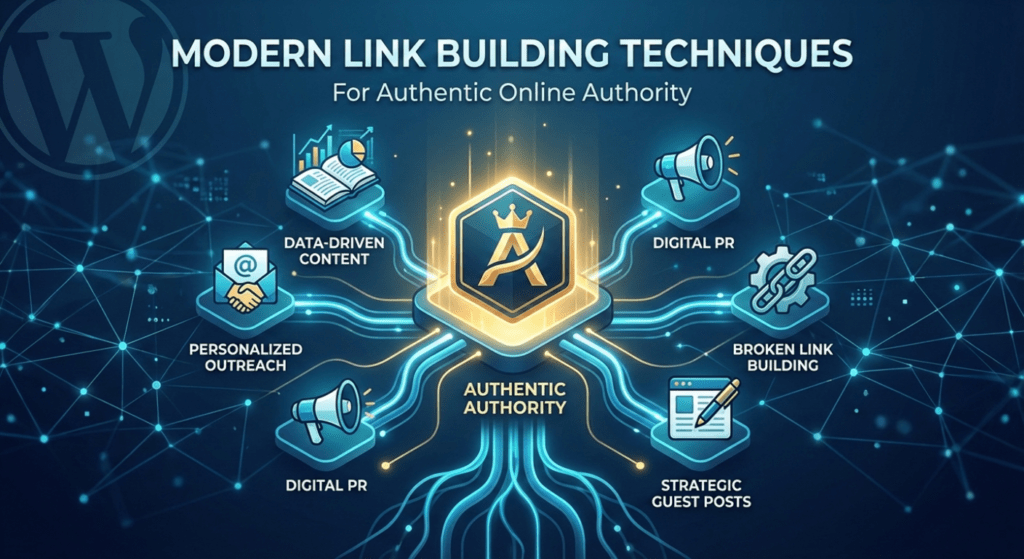
Building genuine online authority today requires more than just getting as many links as possible. A practical approach involves innovative, modern link-building strategies that deliver value to both users and search engines. As digital landscapes shift, it’s crucial to focus on credibility and meaningful connections when establishing an online presence. To achieve this, successful brands often invest in professional link building services that align with current SEO best practices while creating opportunities for long-term growth.
Rather than relying on outdated tactics, leading marketers use advanced methods that support brand expertise and trustworthiness. These methods go beyond sheer volume, seeking to build authority naturally through relevant and respected sources. Achieving this level of authority requires a carefully planned approach that leverages the correct data, expertise, and outreach practices to ensure lasting results and resilience as algorithms evolve.
Whether you’re a brand, agency, or individual looking to elevate website visibility, these proven techniques help build credibility that resonates with your audience and major search engines alike.
Read More: SEO Trends Shaping Online Success in 2026
This approach not only improves rankings in the short term but also establishes a foundation that withstands search algorithm changes, as seen in how thought leaders maintain high visibility amid shifting trends.

Data-Driven Digital PR
Journalists and bloggers consistently seek authentic, data-rich stories to support their reporting. By launching proprietary surveys or compiling exclusive industry insights, brands can generate highly shareable content that attracts links from reputable media. For example, by creating an annual industry benchmark report, a company instantly becomes a vital reference for news outlets and trade publications, which in turn leads to authoritative backlinks. This approach not only boosts SEO but also positions brands as both experts and innovators in their field.
Authoritative voices in any sector naturally attract attention and links. By sharing expert perspectives through interviews, guest posts, or quick reactions to newsworthy trends, professionals can generate earned media coverage and organic backlinks. Many journalists also use platforms like HARO (Help a Reporter Out) to source opinions from credible sources, making it easier for knowledgeable contributors to gain media exposure. As an individual or brand becomes referenced often, their online authority multiplies—and so does their capacity to rank.
Deep Topic Clusters
Developing interconnected clusters of content around comprehensive core topics helps sites establish topical authority. Instead of publishing isolated articles, brands create a series of related, in-depth guides that interlink and cover every aspect of a subject. This encourages other sites to cite these resources, positioning the site as a go-to authority. Adopting this approach can have compounding effects, as Google increasingly favors more profound topical expertise over scattered, surface-level content.
Relationship-Based Outreach
Sustainable link-building hinges on authentic relationships with bloggers, webmasters, and journalists. By engaging in thoughtful, personalized outreach rather than sending mass emails, marketers can create lasting partnerships that deliver ongoing link opportunities. This is especially true when brands offer unique value, such as fresh research or tailored resources for the recipient’s audience. Over time, invested outreach fosters networks capable of supporting long-term SEO goals and raising brand authority industry-wide.
Leveraging Infographics
Infographics distill complex information into visually compelling formats that are more likely to be shared and linked to than standard blog posts. They work particularly well for presenting data, step-by-step guides, and industry trends in ways that are both appealing and easy to understand. Research consistently shows infographics generate significantly more backlinks and shares, giving brands an interactive medium to reach broader audiences.
Broken Link Building
This proactive method, often called broken link building, involves identifying broken links on high-authority websites and offering your own content as a relevant replacement. As Search Engine Journal highlights, SEO tools can help uncover broken links in your niche and pinpoint pages where your resource fits naturally. By positioning your content as a helpful solution, you help site owners improve user experience while earning valuable backlinks. When executed correctly, this strategy builds goodwill and consistently produces high-quality SEO results.
Resource Page Link Building
Resource pages curate trusted third-party content for readers seeking reputable information on a given topic. By building comprehensive, value-driven guides and reaching out to relevant sites, you can earn placements on these high-authority lists. Inclusion on resource pages not only boosts your backlink profile but also sends targeted referral traffic from readers actively seeking expert insights.
Conclusion
The evolution of link-building emphasizes quality over quantity—rewarding brands that build genuine authority and foster trust through advanced methods. Leveraging data-driven digital PR, cultivating thought leadership, developing topic clusters, nurturing outreach, and using visual and targeted content ensure resilient rankings and growth in online authority. By focusing on sustainable strategies, brands can confidently navigate the future of SEO while securing lasting success.