The article outlines the questions homeowners should ask to select a qualified roofing contractor and avoid costly mistakes.
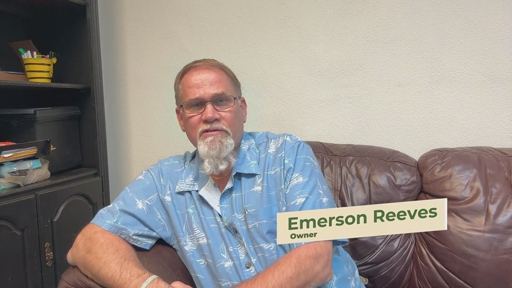
, /PRNewswire/ — What should I ask before hiring a roofer? A recent HelloNation article featuring Roofing Expert Emerson Reeves of Emerson Home Services Roofing in Marietta, GA, offers valuable insight on the questions every homeowner should ask before signing a roofing contract. Reeves outlines how careful preparation and clear communication can protect homeowners from costly mistakes and ensure their roofing project is completed with quality and transparency.
According to the HelloNation article, licensing is the first topic to address. Reeves advises that a licensed roofer has met state or local requirements that confirm both technical knowledge and compliance with regulations. Asking for the roofer’s license number and verifying that it is active provides accountability and peace of mind. If problems arise, a licensed contractor can be held responsible by a governing board. Homeowners should never skip this step when selecting a roofing professional.
Insurance coverage is just as critical. Roofing involves risks, and even skilled crews face potential accidents. Reeves stresses that a reputable contractor should carry both liability insurance and workers’ compensation coverage. Liability insurance protects the homeowner’s property if damage occurs, while workers’ compensation covers injuries sustained by employees. Reeves recommends asking for proof of insurance, not just a verbal promise. This documentation confirms that coverage is active and helps prevent legal complications if an accident happens.
Written estimates are another point Reeves highlights. A trustworthy roofer provides a clear, itemized estimate that lists labor, materials, and project scope. Written details set expectations and help prevent confusion about costs later. Reeves notes that homeowners should obtain and compare several written estimates rather than choosing based solely on price. Contractors who resist putting estimates in writing may not operate transparently. For those wondering, “What should be in a roofing estimate?” Reeves says the answer is simple: full detail about every cost, material, and timeline involved.
Warranties are another key area of discussion. Roofing materials often include manufacturer warranties, but workmanship warranties come from the contractor. Reeves explains that understanding the length and coverage of both types is important for long-term protection. A reputable roofer will clearly outline how long the warranties last and what each covers. Knowing these details ensures homeowners will not face unexpected expenses later.
Reeves also points out that experience with insurance claims can make a significant difference, especially in areas prone to storm damage. Some roofers are familiar with the claims process and can help homeowners navigate paperwork and inspections. Asking whether the roofer has handled insurance-related projects helps set expectations. A contractor experienced with insurance coordination can save time and reduce stress if damage occurs after severe weather.
References provide valuable insight into a roofer’s reliability. Reeves recommends asking for contact information from recent clients who are willing to share their experience. Speaking directly with past customers offers a clearer picture than online reviews alone. Reeves advises asking about punctuality, communication, and site cleanliness during the project. These details reveal how the contractor performs under real-world conditions.
Project supervision is another important factor. Homeowners should ask who will be on-site and how the crew will be managed. Some companies have a project manager present daily, while others rely on subcontractors. Knowing who to contact during the job ensures that communication remains consistent from start to finish.
Reeves emphasizes that a reliable roofer should welcome questions and answer them without hesitation. Homeowners should be wary of contractors who rush discussions, change estimates mid-conversation, or demand large deposits before work begins. Clear explanations of materials, schedules, and payments help build trust. For those wondering, “What are red flags when choosing a roofer?” Reeves lists pressure tactics, vague answers, and incomplete documentation as warning signs.
Permits are another topic that should never be overlooked. Reeves advises that most major roofing projects require local permits, and the contractor should handle this process. A roofer who expects the homeowner to pull their own permit may not be following proper legal procedures. Having the contractor manage permits ensures compliance with local codes and helps protect the homeowner from liability.
Material selection is also worth discussing in detail. Different shingles, underlayments, and ventilation systems affect performance and cost. Reeves recommends working with contractors who explain multiple options rather than pushing a single brand. The goal, he says, is to balance quality, durability, and budget. When a roofer provides honest comparisons, it shows respect for the homeowner’s long-term investment.
Scheduling and communication are additional topics that deserve attention. Reeves advises homeowners to ask how weather delays, material availability, and crew size will affect project timelines. A written schedule that includes cleanup and inspection demonstrates good organization. Clear communication about timing and progress is a sign of professionalism and respect for the homeowner’s time.
Payment structure is another area where transparency matters. Reeves explains that most legitimate roofers request a reasonable deposit, often about one-third of the total cost, with the remaining balance due after completion. Demands for full payment up front are major warning signs. The payment schedule should always be outlined in the written contract to prevent misunderstandings.
Finally, Reeves emphasizes that communication style can define the entire roofing experience. A roofer who responds promptly, provides documentation, and explains each step clearly is more likely to deliver satisfactory results. Roofing work is one of the largest investments in home maintenance, and clear communication is key to avoiding stress and confusion.
Reeves concludes that by asking the right questions early, homeowners can identify reliable professionals who value honesty, skill, and accountability. The right preparation leads to smoother projects, stronger results, and confidence that the home is protected for years to come.
What to Ask Before Choosing a Roofer features insights from Emerson Reeves, Roofing Expert of Marietta, Georgia, in HelloNation.
About HelloNation
HelloNation is America’s Good News Network, a premier media platform built on the idea that good news travels faster when real people tell real stories. Through its community-focused publications and innovative “edvertising” approach, HelloNation delivers content that informs, inspires, and spotlights the leaders making a meaningful impact in their communities.
SOURCE HelloNation