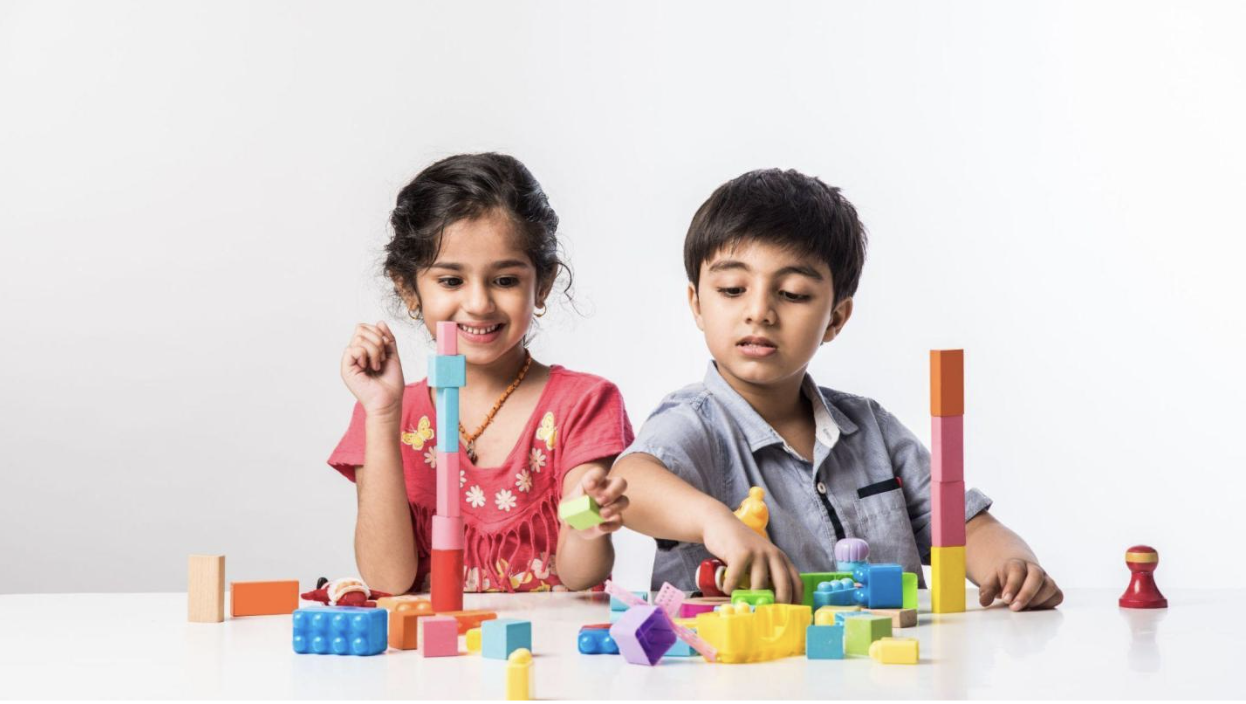
Mumbai, India, July 06, 2026 (GLOBE NEWSWIRE) — Eurokid highlights how playgroups in Udaipur can support young children in their first experience of being around people beyond family. For many children, speaking to others, joining activities, or sitting in a group may feel unfamiliar at first. A warm playgroup setting gives them time, comfort, and routine to open up naturally. Through songs, games, stories, art, and guided play, children slowly begin to express themselves with more ease.
Creating Opportunities for Peer Interaction
Children learn a lot by simply being around other children. In well-planned playgroups in Udaipur, peer interaction becomes a gentle daily habit rather than a sudden expectation. Children watch, copy, respond, and slowly begin to join conversations or shared games.
These small moments support social growth:
- Group play teaches children to notice others.
- Simple activities reduce hesitation.
- Familiar routines make social behaviour feel safe.
- Children begin forming early friendships.
Teaching Sharing and Cooperation
Sharing does not come naturally to every child, and that is completely normal. A good playgroup gives children repeated chances to wait, take turns, pass materials, and work together. Parents who have explored a preschool in Delhi may notice the same focus on cooperative early learning.
These activities build cooperative behaviour early:
- Toy-sharing builds patience.
- Group art encourages teamwork.
- Turn-taking games teach fairness.
- Children learn that cooperation can be enjoyable.
Improving Communication Skills
Early group activities give children many reasons to speak, listen, ask, and respond. Some children may use words confidently, while others may begin with gestures, expressions, or single words. A supportive playgroup respects this pace and encourages every attempt.
Communication grows through everyday group activities:
- Rhymes improve sound awareness.
- Storytime builds vocabulary.
- Role play supports sentence formation.
- Daily greetings make conversation feel natural.
Encouraging Emotional Development
A child who joins a group setting begins to understand feelings more clearly. They may feel excited, shy, upset, curious, or proud during different activities. Caring teachers guide them through these emotions without pressure, helping them recognise what they feel.
Emotional growth happens in gentle ways:
- Children learn to name emotions.
- Gentle reassurance builds confidence.
- Group play teaches empathy.
- Comforting routines reduce emotional discomfort.
Building Independence Away from Parents
For many children, a playgroup is the first place where they spend time away from their parents for a short while. This separation can feel new, but a calm environment makes the change smoother. Children gradually learn that they can explore, play, and return to their parents safely.
Small steps make independence easier:
- Small responsibilities build self-belief.
- Familiar teachers create trust.
- Independent play supports decision-making.
- Daily routines reduce separation anxiety.
Developing Listening and Attention Skills
Listening is an important part of early learning, but young children need time to develop it. Playgroups use songs, stories, movement games, and simple instructions to make listening engaging. Instead of forcing long periods of attention, activities are kept lively and age-appropriate.
These activities strengthen early attention skills:
- Short stories improve focus.
- Action songs support active listening.
- Simple instructions build response skills.
- Circle time teaches group awareness.
Helping Children Adapt to Different Personalities
Every child has a different nature. Some are talkative, some quiet, some energetic, and some are careful observers. A playgroup brings these personalities together in a safe space. Children begin to understand that others may speak, play, or react differently from them.
This exposure builds social understanding gradually:
- Mixed group play builds social awareness.
- Children learn patience with others.
- Friendly guidance reduces conflicts.
- Exposure to different temperaments builds flexibility.
Encouraging Participation through Positive Reinforcement
Children open up better when they feel noticed for their effort, not judged for their performance. Positive reinforcement in a playgroup can be as simple as a smile, kind words, or appreciation for trying. This makes participation feel rewarding and safe.
Positive responses make participation feel safe:
- Encouragement reduces fear of mistakes.
- Praise for effort builds confidence.
- Gentle prompts invite shy children to join.
- Children feel valued in the group.
Conclusion
Playgroups give children a gentle bridge between home and formal schooling. Through group activities, they learn to interact, share, listen, speak, manage feelings, and become more independent.
These early experiences do not rush children; they allow growth at a natural pace. For parents in India, choosing a nurturing playgroup can make the first step into learning feel warm, secure, and joyful for their child.
Media details:
Name: EuroKids
Designation: NA
Company: EuroKids – Part of Lighthouse Learning Group
Email: feedback@eurokidsindia.com
Phone: NA
Website: https://www.eurokidsindia.com/
Address: LIGHTHOUSE LEARNING PVT LTD, Windsor, 801, 8th Floor, Off, Manipada Rd, Kalina, Santacruz East, Mumbai, Maharashtra 400098
CONTACT: Media details:
Name: EuroKids
Designation: NA
Company: EuroKids - Part of Lighthouse Learning Group
Email: feedback@eurokidsindia.com
Phone: NA
Website: https://www.eurokidsindia.com/
Address: LIGHTHOUSE LEARNING PVT LTD, Windsor, 801, 8th Floor, Off, Manipada Rd, Kalina, Santacruz East, Mumbai, Maharashtra 400098