The article explains how intestate succession works and why estate planning helps families make important decisions before they are needed.
, /PRNewswire/ — What happens if you die without a will? A HelloNation article featuring insights from Estate Planning Attorney Jennifer McKenna of the Jennifer Ward McKenna, Attorney at Law in Lees Summit, Missouri, explains how intestate succession determines what happens to an estate when no valid will exists.
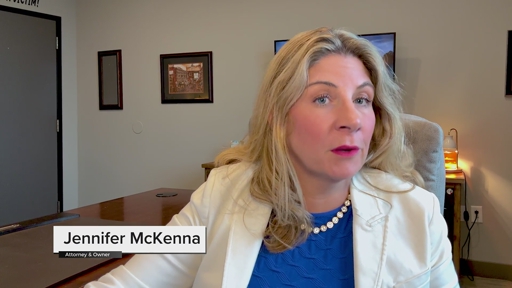
The article explains that many people assume their estate will automatically pass to a surviving spouse or children, but that is not always the case. Instead, state law determines how an estate is distributed when someone dies without a valid will, and those legal rules may not reflect the individual’s wishes, particularly for people who are single, divorced, or remarried. Understanding estate planning helps families avoid confusion by ensuring important decisions are made intentionally rather than left to default legal rules.
According to the article, when someone dies without a will, the court oversees the administration of the estate through a formal legal process. A personal representative is appointed to identify assets, notify creditors, pay valid debts and taxes, and distribute the remaining property according to state law. The article explains that courts cannot rely on verbal promises or assumptions about the deceased person’s wishes and must instead follow the rules of intestate succession.
The HelloNation article also explains that a surviving spouse does not always inherit the entire estate. Whether a surviving spouse receives all or only part of the property depends on state law and the family’s circumstances. If there are children from the current marriage or a previous relationship, the estate may be divided among multiple heirs. The article notes that estate planning gives individuals the opportunity to make these decisions in advance instead of relying on default legal rules.
For individuals who are not married, the article explains that intestate succession follows a legal order of inheritance. Children generally inherit first, followed by parents, siblings, or other close relatives if no children survive. If no qualifying relatives can be located, the estate may eventually pass to the state. Although this outcome is uncommon, the article says it demonstrates why estate planning is valuable for anyone who wants to determine where property should go rather than relying entirely on state law.
The article explains that creating a will allows individuals to decide who receives their property and who will manage their estate. A properly prepared will provides written instructions for distributing an estate after death and allows the person creating it to choose an executor. Without a will, the court appoints someone to serve in that role, and that person may not be the individual the deceased would have selected. Naming an executor in advance can help make the administration of an estate more organized, reduce unnecessary disagreements among family members, and in some situations reduce costs by avoiding certain bond requirements or allowing a simplified form of estate administration.
Parents of minor children also benefit from creating a will, according to the article. A will allows parents to nominate guardians who can care for their children if both parents pass away. Without those written instructions, the court must decide who will assume that responsibility. Although judges always act in the children’s best interests, their decision may not reflect what the parents would have chosen. The article explains that including guardian nominations in a will provides families with greater clarity during an already difficult time.
The article also notes that a complete estate planning strategy may include trusts, financial powers of attorney, and healthcare directives. Even so, a will often serves as the foundation of an effective plan because it communicates personal wishes and provides guidance for loved ones. Thoughtful estate planning can reduce misunderstandings, minimize family conflict, and help ensure an estate is administered as smoothly as possible. Creating a will also helps keep personal wishes at the center of the process rather than leaving those decisions entirely to state law.
What Happens If You Die Without a Will? Features insights from Jennifer McKenna, Estate Planning Attorney of Lees Summit, Missouri, in HelloNation.
About HelloNation
HelloNation is America’s Good News Network, a premier media platform built on the idea that good news travels faster when real people tell real stories. Through its community-focused publications and innovative “edvertising” approach, HelloNation delivers content that informs, inspires, and spotlights the leaders making a meaningful impact in their communities.
SOURCE HelloNation