
Kramer, from the EPA, said the proposed rule is intended to curb what the agency views as misuse of Section 401 by some states to block projects for reasons unrelated to water quality.
Kramer said the changes would ensure that section 401 “is not weaponized by states to shut down projects for political purposes, as opposed to protecting water quality.”
State officials, particularly in Democrat-led states, have relied on Section 401 in recent years to deny or place conditions on permits for major projects they say would have harmed local waterways.
In 2017, Washington Gov. Jay Inslee and the state’s Department of Ecology relied on Section 401 to reject a critical water-quality certification for a proposed coal export terminal in Longview. State officials concluded the project would cause significant environmental harm that could not be mitigated. Courts later upheld the decision, and the ruling ultimately brought the project to an end.
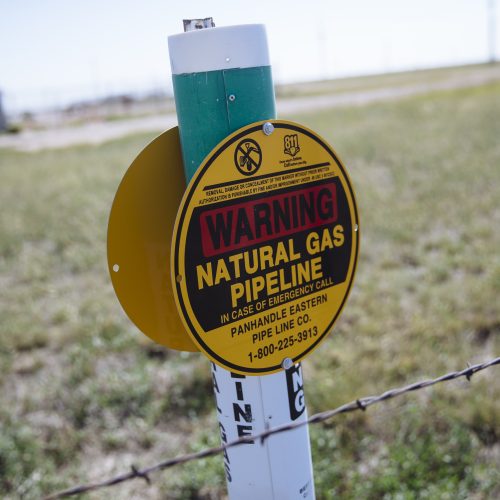
In 2020, former New York Gov. Andrew Cuomo used section 401 to deny a permit for a natural gas pipeline proposed to bring fuel from Pennsylvania into the state, citing concerns that its construction would cause significant harm to water quality.
New York Gov. Kathy Hochul has since approved a permit for the same pipeline project Cuomo denied.
Last summer, EPA hosted two public webinars to solicit input on proposed changes to the law.
At least 14 of the speakers who joined these sessions pointed to the Clean Water Act’s long track record of improving water quality and said section 401 has been essential for protecting rivers and aquatic ecosystems from pollution, according to an EPA summary of the discussions.
The summary states: “Many of these speakers expressed concern that a new rule would weaken State and Tribal authority, arguing that such changes could undermine public health, environmental protection, and local economies.”
Soon, the agency plans to open a 30-day public comment period. After its review, Kramer said the agency would work toward issuing a final rule this spring.
This story originally appeared on Inside Climate News.