Many consumers say losing access to digital health tools would cause stress, anxiety and a loss of control
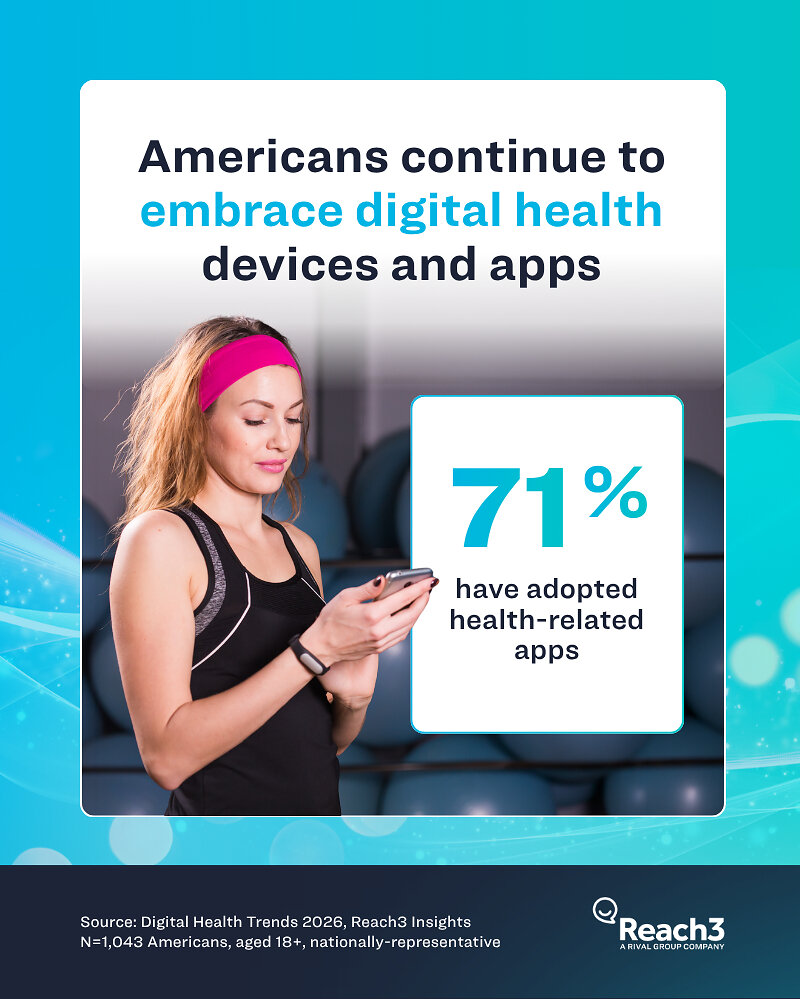
, /PRNewswire/ — Digital health tools have become mainstream among American consumers, according to new research from Reach3 Insights. The latest Digital Health Trends study finds that 71% of Americans use health-related apps and 64% use health-related devices, while consumer interest continues shifting toward more passive, always-on forms of health monitoring.
The research found that many Americans rely on digital health tools to track sleep, activity, stress and other biometric indicators. In qualitative responses, many participants said that not having these tools to monitor habits, maintain routines and manage their well-being would impact their health and routines in negative ways.
The study also highlights other emerging digital health trends:
- A combined 88% of Americans say they want either more technology or the same amount of technology involved in health and wellness management over the next five to 10 years.
- Usage of holistic wearables increased from 20% in 2024 to 24% in 2026, while fitness-oriented wearable use fell from 28% to 22%, reflecting growing consumer interest in tracking beyond physical activity.
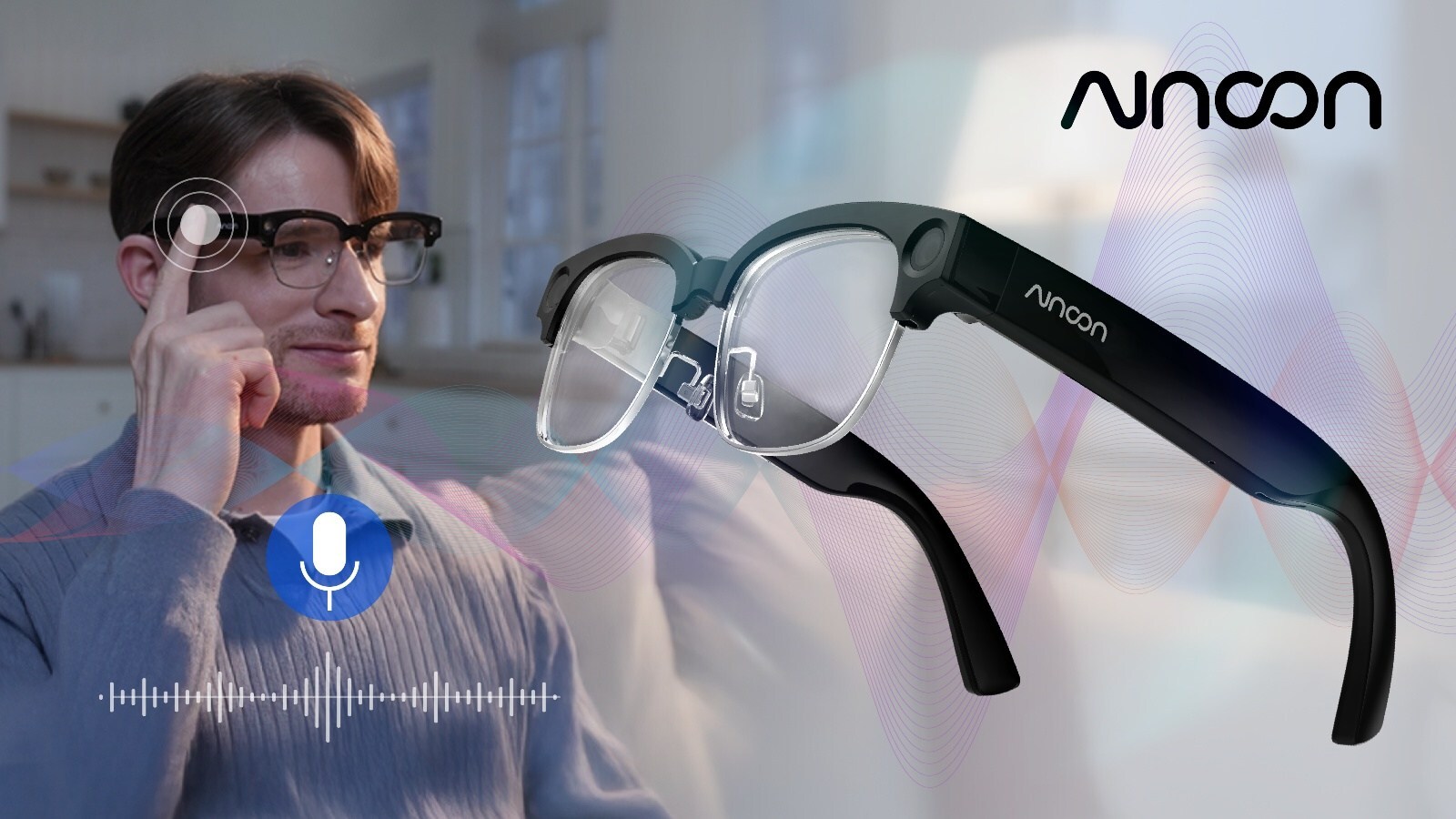
- Future interest in smart rings increased from 34% in 2024 to 39% in 2026, while smart glasses rose from 16% to 21%, signaling continued appetite for emerging digital health technologies.
- Among Gen Z consumers, fertility and women’s health apps ranked as the second most-used category at 38%, ahead of sleep monitoring, mental health and nutrition apps.
- Interest in some digital health services that surged during the pandemic appears to be cooling, with telehealth interest declining from 48% in 2024 to 41% in 2026. Online pharmacy and DNA testing services also saw year-over-year declines.
“Digital health tools are becoming deeply integrated into how people manage their daily lives,” said Christine Nguyen, vice president at Reach3 Insights. “Consumers increasingly describe these tools as part of their routines, motivation and peace of mind. By using AI-accelerated, conversational research techniques, marketers can create a more natural environment for discussions around sensitive health-related topics and help uncover the emotions and motivations shaping these (and future) behaviors.”
The qualitative findings also revealed strong emotional connections to digital health tools. One Gen Z participant shared that losing access to health apps and devices would reduce their “peace of mind” around managing health concerns, while another described the experience as “losing a part of my routine.”
As digital health behaviors continue to evolve, solutions like Reach3’s Community 2.0, Journey Mapping, and Voice of Market help brands uncover the motivations, attitudes and emotions shaping consumer decision-making. This study surveyed 1,043 nationally representative U.S. adults ages 18 and older and was conducted using Reach3 Insights’ AI-accelerated, mobile-first, conversational research techniques, powered by Rival Technologies, a leading insights platform that captures in-the-moment consumer feedback at scale.
See the full study: Reach3 Insights Digital Health Trends 2026
About Reach3 Insights
Reach3 Insights is an award-winning, full-service strategic insights consultancy helping leading brands uncover deeper truths and turn human understanding into business impact. Combining industry expertise with AI-driven conversational research methodologies, Reach3 captures the context, emotions and motivations behind consumer behavior for brands like Coca-Cola, John Deere, PayPal, Samsung and Mars. Through agile research design and story-driven activation, Reach3 delivers richer, more authentic insights that inspire confident decisions and measurable growth. Part of Rival Group, Reach3 was recognized as a Top 5 most innovative full-service agency in Greenbook’s 2025 GRIT report. Learn more at reach3insights.com.
Media contact:
Marie Melsheimer
[email protected]
+1-541-815-3951
SOURCE Reach3 Insights