

The Article Outlines Booking, Court Appearances, Bond Decisions, Release Conditions, and Other Steps That May Follow an Arrest
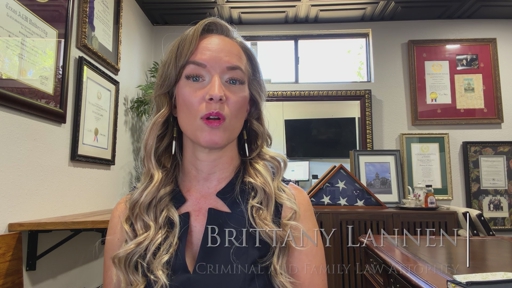
, /PRNewswire/ — What happens after you are arrested in Texas? HelloNation has published an article featuring insights from Brittany Lannen of Lannen Law, PLLC, that answers this question.
The article explains that the first hours and days after an arrest in Texas can involve several important steps. The process may vary based on the alleged offense, the county handling the case, and whether the person remains in custody.
Booking is generally one of the first steps. The article notes that law enforcement records identifying information, fingerprints, photographs, and the alleged charge. Law enforcement may also collect and store personal property until the person is released.
After booking, the accused generally appears before a magistrate. The article explains that Texas law requires certain warnings and procedures during this stage. The magistrate advises the accused about the allegations and important constitutional and legal rights.
This first court appearance, sometimes called magistration, does not determine guilt or innocence. Instead, it addresses immediate legal matters following the arrest. The article emphasizes that the proceeding focuses on the accusation, legal rights, and possible release conditions.
Bond can become an immediate concern during a Texas criminal charge. The article explains that a magistrate may determine whether bond is available and what conditions apply. The decision can depend on the charge and the circumstances surrounding the case.
According to the article, courts may consider the alleged offense, community safety, criminal history, and other factors permitted under Texas law. Release conditions may also accompany the financial terms of bond.
Those release conditions can remain important while the criminal case is pending. The article notes that conditions may restrict contact with certain people, limit travel, or require compliance with other court instructions. Violations can create additional legal problems and may affect bond status.
The article also describes how a Texas criminal charge may proceed after these initial stages. Prosecutors review available evidence and decide how to proceed with the accusation. The process can include formal charging decisions, court settings, evidence review, negotiations, motions, and potentially a trial.
Communication is another consideration after an arrest in Texas. The article explains that statements to friends, family members, alleged victims, witnesses, or on social media can sometimes become relevant evidence. Even informal conversations can create complications if someone later reports what was said.
The article advises readers to pay close attention to court dates and release requirements. Missing a required appearance can lead to additional consequences. Changes in contact information should also follow applicable court procedures so you receive important notices.
The HelloNation article further explains that an arrest and a conviction are different events. An arrest begins a legal process based on an accusation. The prosecution must still proceed through the criminal justice system, while the accused retains legal rights throughout the process.
For Texas Criminal & Family Attorney Brittany Lannen, the article offers readers a practical overview of the stages that may follow an arrest. The charge, evidence, bond decision, release conditions, and local court procedures can each affect how a case moves forward.
What Happens After You’re Arrested in Texas? Features insights from Brittany Lannen, a Texas criminal and family attorney in Waco, TX, in HelloNation.
About HelloNation
HelloNation is America’s Good News Network, a premier media platform built on the idea that good news travels faster when real people tell real stories. Through its community-focused publications and innovative “edvertising” approach, HelloNation delivers content that informs, inspires, and spotlights the leaders making a meaningful impact in their communities.
SOURCE HelloNation