The article explains how finalized plans, early site and utility preparation, realistic budgeting, and clear communication can help homeowners avoid costly custom home construction setbacks.
, /PRNewswire/ — What mistakes should you avoid when building a custom home? That question is addressed in a HelloNation article featuring insights from Custom Home Expert Meriem Sorrells of Sorrells Custom Homes in Azle, TX. The article explains how careful planning and early decision-making can help owners in Wise County and surrounding North Texas areas prevent delays, control costs, and ensure a smoother building process from start to finish.
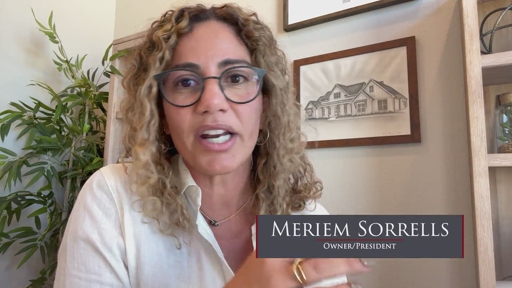
According to Sorrells, the most common and expensive mistakes occur before construction even begins. Many owners focus on design and visual details but overlook how early planning shapes the project’s success. The article highlights that construction should not start until every plan and selection has been finalized. Rushing to break ground or making changes mid-project can cause major disruptions that affect both time and money.
The article explains why plans should be finalized before construction begins by detailing how even small adjustments can trigger significant complications. Moving a window changes the framing. Expanding a shower means reworking plumbing layouts. Swapping cabinet styles alters electrical plans. Each seemingly minor revision impacts multiple trades and materials, creating a chain reaction that leads to rework and higher costs.
Builders in Wise County often see these challenges arise because custom homes give owners freedom to personalize their designs. However, construction is not the right stage for creativity. Once work begins, crews, subcontractors, and inspectors all rely on established drawings. Any change to those drawings requires redoing work that has already been completed, adding weeks to the schedule, and increasing labor and material expenses.
The article also discusses how site preparation impacts custom home building. Before a foundation can be poured, the builder must confirm where the home will sit and how the site will handle drainage. Wise County properties vary in soil type and terrain, which means grading and pad placement must be determined early. Late changes to a home’s layout or orientation can require regrading or adjusting drainage systems, adding both cost and delay. Proper site planning helps protect the integrity of the foundation and ensures the project starts on solid ground.
Utility planning is another critical step that must be addressed before construction begins. Power, water, and wastewater connections need to be mapped to support the home’s layout. For rural properties, that often means running electrical lines across long distances or installing a septic system suited to the home’s size. When owners make late design changes, these utility systems may no longer meet regulations, forcing engineers to revise plans and apply for new permits. The article stresses that understanding what planning is needed for utilities on rural land prevents these types of setbacks.
Sorrells also reminds owners that clear and complete plans protect everyone involved. When all decisions are settled on paper, the builder can schedule trades in an efficient sequence and order materials without hesitation. Inspectors can review projects based on stable plans, and construction proceeds without unnecessary interruptions. This organization not only saves time but also helps maintain budget consistency throughout the build.
Another area where owners often encounter problems is in finish selections. Finishes may seem like small details, but they influence several construction systems. Cabinet styles affect wall measurements and electrical placement. Flooring materials impact transitions, trim, and door clearances. Lighting decisions determine wiring and switch layouts. When these choices are delayed or changed after framing, the builder must rework multiple areas, which can lead to scheduling conflicts and added expense.
The article also advises owners to include a contingency allowance for unexpected costs. Even well-planned projects can face surprises such as soil issues, new utility requirements, or county regulations that demand additional materials. Sorrells explains that having a financial buffer helps manage these challenges calmly and keeps construction on track. When budgets account for the unpredictable, projects stay stable, and stress levels remain low.
Communication between the owner and builder is another key theme. The article points out that misunderstandings often cause delays or rework. Regular updates ensure that both sides understand progress, decisions, and timing. When owners stay engaged and ask questions early, they avoid confusion later. Strong communication builds trust and helps the project flow smoothly from one phase to the next.
By focusing on preparation, homeowners can avoid costly setbacks. The article emphasizes that the most expensive mistakes are preventable through attention to detail, finalized plans, and steady communication. Each stage of building depends on the previous one, which is why early organization leads to a predictable, efficient, and rewarding construction process.
Sorrells concludes that building a custom home on your lot is one of the most exciting investments a family can make. With the right planning, clear communication, and realistic budgeting, the process can be smooth, transparent, and enjoyable. Knowing how to avoid these mistakes from the beginning helps homeowners feel confident and in control throughout the project.
Avoiding Costly Mistakes When Building a Custom Home on Your Lot features insights from Meriem Sorrells, Custom Home Expert of Azle, TX, in HelloNation.
About HelloNation
HelloNation is America’s Good News Network, a premier media platform built on the idea that good news travels faster when real people tell real stories. Through its community-focused publications and innovative “edvertising” approach, HelloNation delivers content that informs, inspires, and spotlights the leaders making a meaningful impact in their communities.
SOURCE HelloNation