While both the CDC and the FDA representatives were aware of reports linking the cases to salad greens and Taco Bell, they would not confirm in the briefing that either are leading suspects in the eyes of the federal agencies.
Biggerstaff said the agency is pulling together data on what people ate and where, genetic data from the parasites, and trace-back data on food sources. “Right now we don’t have a specific source identified and we’re working very hard to continue collecting and analyzing those data,” she said in the briefing.
Donald Prater, FDA’s acting deputy commissioner for food, added only: “What I can say at this point is that we’re continuing our traceback investigation on multiple produce items, including the lettuce.”
Combining the CDC’s confirmed and probable cases, the US is already over 6,745 cases at this point in the summer, which is when cyclosporiasis cases peak. This tally is well above historical numbers; the US has typically reported between 2,000 and 5,000 cases a year.
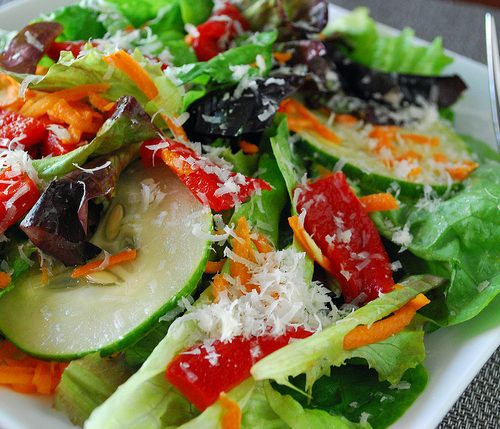
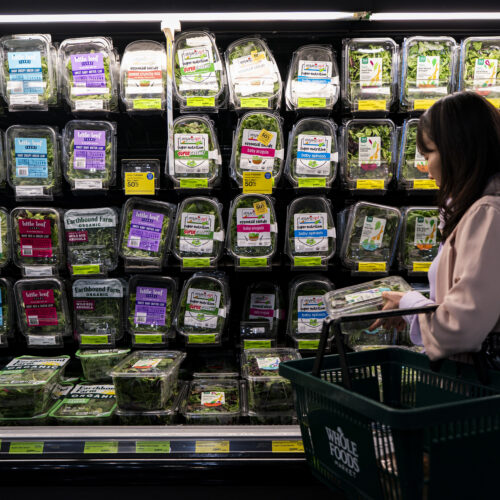
Amid the outbreak with no clear source as of yet, health officials are recommending that people be cautious about leafy greens, particularly bagged or boxed greens. It’s recommended to instead buy whole heads of lettuce, discard the outer two or three layers of leaves, and then wash the rest thoroughly. But, sticking with peel-able or smooth-surfaced produce is safer. The safest choice is cooking produce to at least 158° F (70° C), which will kill the parasite.
Past cyclosporiasis outbreaks have been linked to bagged salad mixes and kits, fresh cilantro, fresh basil, raspberries, snow peas, and green onions, MDHHS notes.
People who experience frequent watery diarrhea should consult with their healthcare provider. An antimicrobial treatment can treat the infection, along with rest and hydration.
This post was updated July 14, 2026 to include information provided in the CDC/FDA press briefing.