STANFORD, CA, July 07, 2026 (GLOBE NEWSWIRE) — The AI Robotics Alliance of America, known as AIRA, will host the Humanity & AGI Summit 2026 on Sunday, July 12, at the Stanford Faculty Club, bringing together leading voices from artificial intelligence, robotics, science, public policy, venture capital and global thought leadership.
The summit arrives at a moment when artificial intelligence is no longer limited to screens, software and cloud infrastructure. AI is beginning to move into the physical world through robots, autonomous systems, scientific tools and machines that can perceive, reason and act. The shift is raising new questions for researchers, entrepreneurs, policymakers and society at large. What happens when intelligence becomes embodied. How should humanity govern systems that learn, adapt and interact with the real world. And how can innovation be directed toward human benefit rather than disruption alone.
Humanity & AGI Summit 2026 is designed as a forum for those questions. The one day gathering will convene more than 300 invited guests, including researchers, founders, investors, corporate executives, public officials and technology leaders. The program will feature keynote remarks, fireside conversations, panel discussions and robotics demonstrations focused on the next stage of AI development.
The summit theme, Robotics for Future Civilization, reflects a broader conversation now taking shape across the technology industry. For years, artificial intelligence was discussed primarily as a software revolution. Large language models, generative tools and data driven systems changed how people write, code, search, learn and work. Now, the field is expanding into the physical environment. Robots are entering factories, restaurants, logistics networks, hospitals, farms and homes. Autonomous systems are becoming more capable. Machines are beginning to understand not only language and images, but also space, motion, objects and human behavior.
That transition gives embodied intelligence a central place in the future of AI. It also makes the conversation more urgent. The questions are no longer only technical. They are social, economic, ethical and political. The deployment of intelligent machines could reshape labor, healthcare, education, transportation, public safety, elder care and scientific discovery. It could also change how people understand human value in an age of increasingly capable machines.
The Stanford gathering will examine those issues from multiple perspectives. Speakers and panelists are expected to address how machines understand humans, how trust can be maintained in the age of AI, how artificial intelligence may accelerate scientific discovery, and how robotics will affect the future of work and daily life. The summit will also explore the relationship between technological progress and human responsibility, a theme that has become increasingly important as AI systems move from research labs into public use.
Among the featured participants are internationally recognized thinkers and researchers from leading universities, technology companies and public institutions. The program includes discussions with figures associated with Stanford University, Carnegie Mellon University, MIT, Harvard, the University of Chicago, Wharton, leading AI companies and public policy organizations.
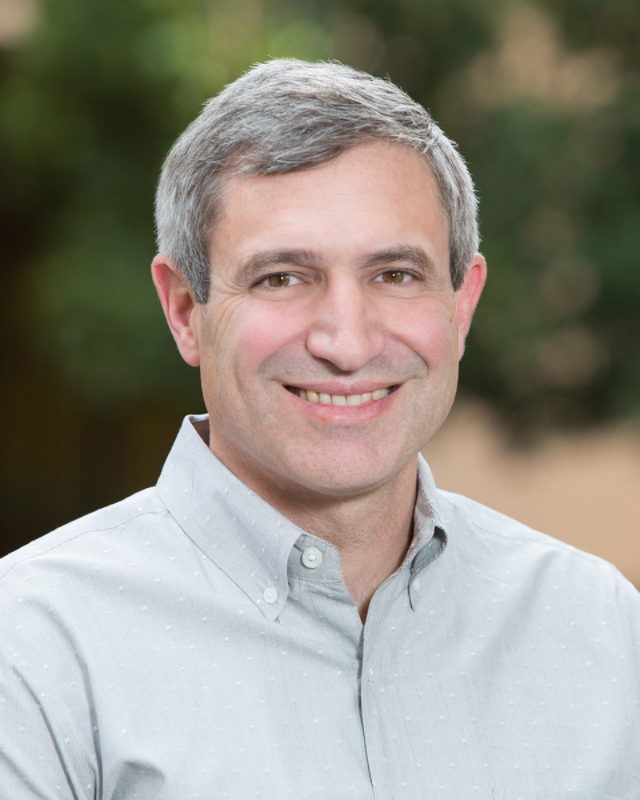
Academic voices will include John Ioannidis of Stanford, known for his influential work in medicine, epidemiology and scientific methodology; Maxim Likhachev of Carnegie Mellon University, whose research focuses on artificial intelligence, robotics, planning and autonomous systems; and Markus J. Buehler of MIT, whose work spans materials science, computation, engineering and artificial intelligence. Their participation reflects the summit’s effort to connect the future of AI not only with business and policy, but also with deep scientific research.
The summit will also feature a remote appearance by Yuval Noah Harari, the bestselling author of Sapiens, whose work has shaped global conversations about humanity, technology and the future of civilization. Other expected speakers include leaders working across robotics, machine learning, AI governance, investment and applied technology. The summit is also expected to include participation from policy and government representatives, reflecting the growing need for public sector engagement in the development and governance of artificial intelligence.
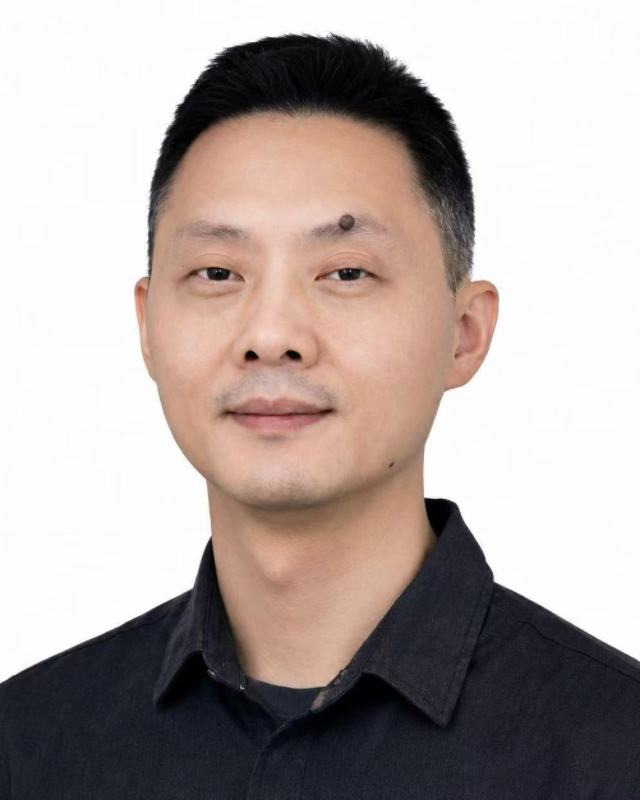
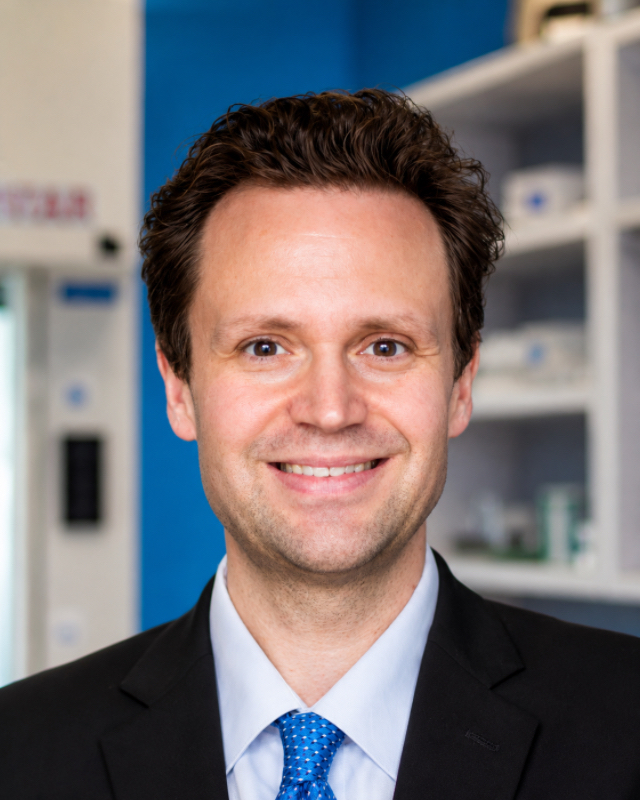
AIRA founder Yong Wang said the summit was created to bring together groups that too often work in separate conversations.
“AI is moving very quickly, but the future cannot be shaped by technology alone,” Wang said. “Researchers, entrepreneurs, investors, policymakers and the public all need to be part of the same conversation. The question is not only how powerful AI will become. The question is how humanity will respond when it does.”
In addition to the keynote and panel program, the event will include live robotics demonstrations from participating companies. These demonstrations are intended to show how advances in perception, mobility, autonomy and human machine interaction are beginning to move from laboratory settings into real world environments. Robotics has become one of the most visible areas where AI can be seen, tested and understood by the public. For many attendees, the demonstrations will provide a concrete view of how embodied intelligence may change industries and daily life.
The choice of Stanford as the summit location is significant. Silicon Valley remains one of the world’s most important centers for technology creation, venture capital, academic research and entrepreneurship. Stanford has played a central role in the development of modern computing, robotics and artificial intelligence, while the surrounding region continues to attract founders, investors and researchers from around the world. By bringing the summit to Stanford, AIRA aims to place the conversation at the center of the global innovation ecosystem while keeping the focus on human outcomes.

The summit will also address the trust crisis surrounding AI. As systems become more capable, public concern has grown around misinformation, bias, privacy, security, job displacement and accountability. The development of intelligent machines adds another layer to those concerns because embodied systems operate in shared physical spaces. A robot that serves food, assists in a hospital, supports elder care or performs industrial labor must be evaluated not only by how well it reasons, but by how safely and responsibly it interacts with people.
At the same time, the potential benefits are substantial. AI systems may help scientists discover new materials, understand disease, improve agriculture, reduce repetitive labor and expand access to services. Robotics may help address labor shortages in sectors such as hospitality, logistics, caregiving and manufacturing. The challenge is to ensure that these systems are designed and deployed with social responsibility, transparency and human dignity in mind.
Humanity & AGI Summit 2026 will not present a single answer to these questions. Instead, it will create a platform for dialogue across disciplines. The event is built around the idea that the future of AI should not be decided only inside laboratories, boardrooms or government agencies. It should be shaped through open discussion among the people building the technology, the institutions regulating it, the investors funding it and the communities that will live with its consequences.
For AIRA, the summit is part of a broader mission to promote responsible AI and robotics development through education, collaboration and public engagement. The organization seeks to connect researchers, founders, companies, policymakers and communities working at the intersection of artificial intelligence and robotics. Its work is focused on building bridges between technical innovation and human needs.
As AI enters a new phase, the summit is positioned as a meeting point for one of the most important conversations of the decade. The central question is no longer whether intelligent machines will become part of society. They already are. The more important question is what kind of society humanity wants to build with them.
Humanity & AGI Summit 2026 will take place on Sunday, July 12, 2026, at the Stanford Faculty Club. Attendance is by invitation and registration. More information is available at www.aira-ai.org.
About AI Robotics Alliance of America
The AI Robotics Alliance of America, known as AIRA, is an organization dedicated to advancing dialogue, collaboration and responsible development in artificial intelligence and robotics. AIRA brings together leaders from academia, industry, investment and public policy to explore how intelligent machines can serve society and contribute to future civilization. Through summits, public programs and cross sector collaboration, AIRA supports a human centered approach to AI and robotics.
Media Contact
AI Robotics Alliance of America
Email: info@aira-ai.org
Website: www.aira-ai.org
CONTACT: Yong Wang
yongwang@aira-ai.org