
Following on from Australia banning social media access for under-16s, a ruling which came into force in December 2025, the UK government has announced its own restrictions for children — and they look set to be even stricter that those put in place by the authorities in Australia.
Announced by Prime Minister Keir Starmer, the move will “give kids their childhood back” according to Downing Street. “The plans will set a new normal for future generations, kickstarting a cultural shift and driving forward the government’s fight to give every child the best start in life.”
These are sweeping regulations and are likely to genuinely transform digital device use for young people — and quite possibly everyone else in the UK too — but there are some big questions remaining about how all of this is actually going to work.
Here’s what you need to know based on what’s been made official so far.
1. Which apps are affected?
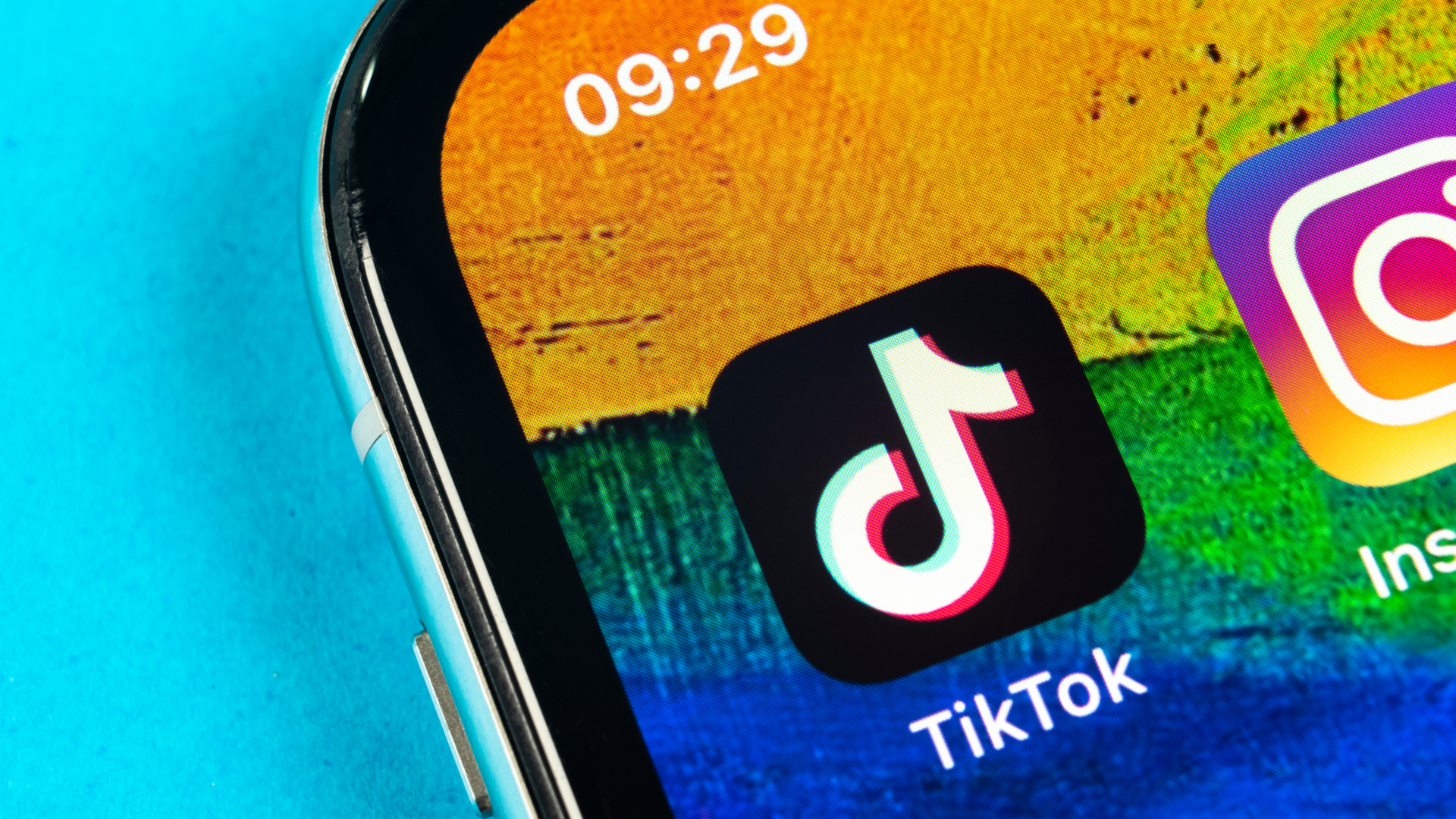
The UK government says it’s still evaluating this, but that it’s going to target “user-to-user platforms, whose purpose is to enable social interaction and which allow users to post material, alongside algorithms”. The qualifying apps that have been mentioned specifically so far are:
- Snapchat
- TikTok
- YouTube
- X
However, more apps will likely join that list. Liz Kendall (Secretary of State for Science, Innovation and Technology) recently confirmed that Bluesky will be included, as it’s on the list of apps affected by Australia’s social media ban.
Australia’s list of age-restricted apps also contains Reddit, Threads and Twitch. Messaging services, including WhatsApp and Signal, are excluded. There will also be a “narrowly defined list of exemptions” that’s regularly reviewed. Livestreaming for under-16s is also going to be banned, across all platforms.
For gaming, the official line is that communications with “strangers” will be restricted, but children will still have access to multiplayer online games. AI chatbots are affected as well: bots built to offer companionship will be out of bounds for anyone under the age of 18 (not just 16), while more general-purpose bots like ChatGPT will be limited in terms of “intimate functionalities” for under-18s as well.
2. When will the ban start?
Everything has now been set in motion after the official announcement, but there’s still quite a way to go. The timetable put forward by Downing Street suggests that spring 2027 (so March, April, or May) is when the restrictions will actually come into place.
Before that, there’s work to do. More detailed proposals will be put before Parliament by the end of 2026, although it’s worth noting that both the Commons and the Lords have already decided that the government must take action on this issue — so this stage will be more of a formality than a debate.
It’s worth bearing in mind that these measures come as a follow-up to the Online Safety Act, which came into force in 2025. That required apps and sites featuring adult content to put in some form of age verification — so really the social media ban for under-16s is an extension of these obligations, rather than something completely new.
3. How will the rules be enforced?
This is the biggest unknown right now, and the cause of most controversy. The government line is that regulator Ofcom will now conduct a “rapid study” into the best way to go about age verification, and that officials will be taking a close look at how Australia enforces its own ban.
In Australia, the duty falls on the platforms to make sure appropriate age checks are in place. The methods used for this vary, but include selfies and a lot of AI detection methods. Signals such as how long someone has had an account, and what they use it for, are also factored in to flag up the accounts of children under the age of 16.
Meta says it’s booted hundreds of thousands of kids off Facebook and Instagram in Australia, though the company still argues that age verification should be handled at the device level so that platforms don’t have to apply checks. We’ll have to wait and see exactly how the UK government decides to implement this.
4. How will this affect adults?
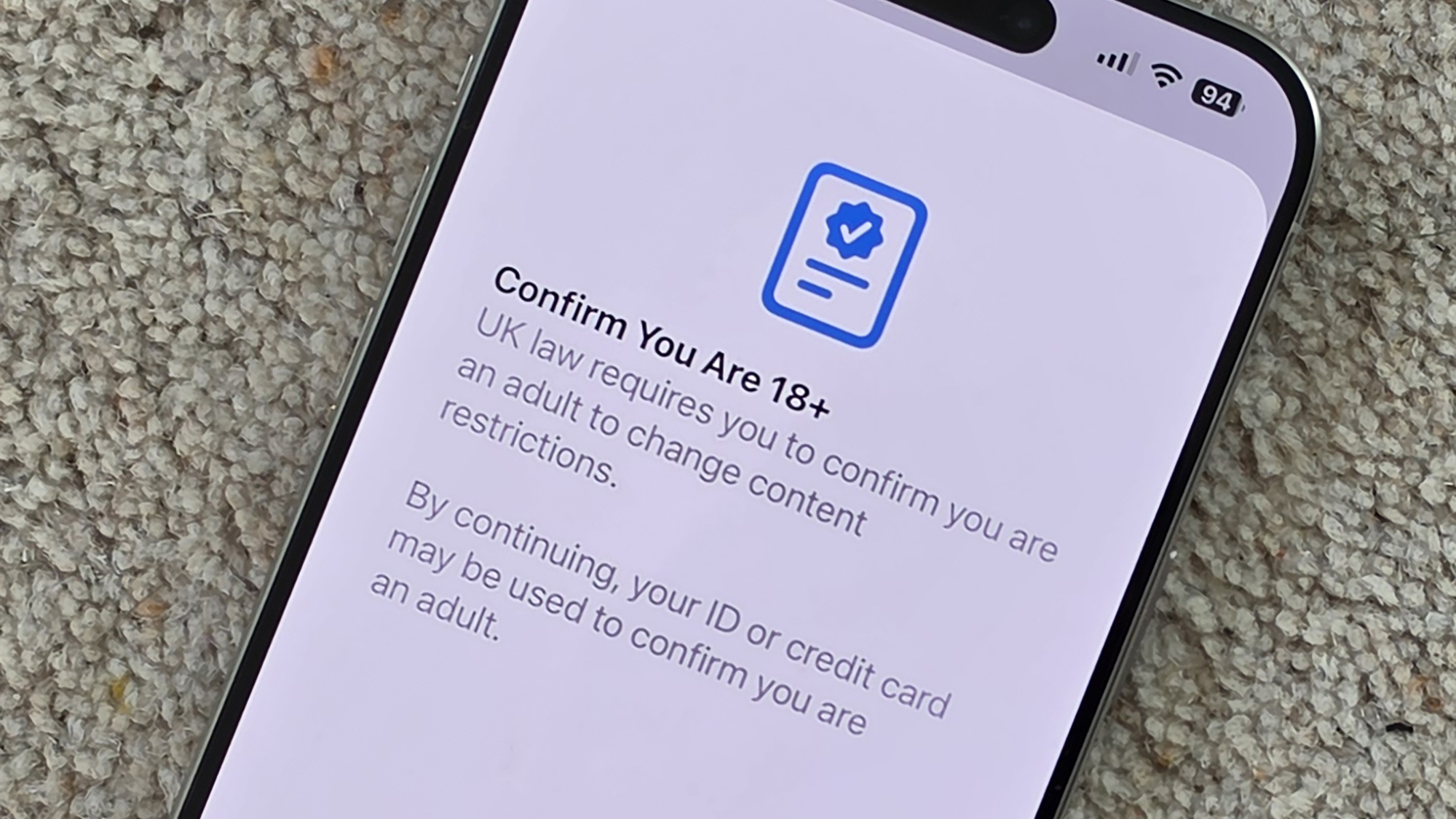
Critics of the new legislation argue that it will mean the end to anonymity online — that anyone, of any age, will need to verify their identity to use websites and apps. The truth is that this is already happening, because of the Online Safety Act.
Earlier this year Apple rolled out age verification for iPhone owners in the UK, in order to comply with the Online Safety Act and preempt any further restrictions that are put in place. Registering a credit card or uploading a driving license are a couple of the ways this works for iOS, and we’ll be seeing more of this over the next year.
Other verification methods we’ve seen include selfie age estimations, and registering email addresses that are verified as being run by an adult. If you’re 16 or over and you’ve already worked through one of these processes, you shouldn’t have to do it again.
5. What happens next?
The UK government says it will be publishing further details about its plans in July 2026, so we should get more clarity on some of these issues then. We’ll also be hearing from Ofcom about how it plans to put in restrictions that kids will find it difficult to get around.
If you’re a parent of someone under 16, or indeed you’re under 16 yourself, you don’t have to do anything else right now except wait. We don’t yet know when the cut-off date will be, or what will happen to the existing accounts of kids kicked off these platforms.
What might also happen next is an increase in searches from tech-savvy children looking to get around the incoming regulations — but the signs are that age checks will be needed for privacy tools like VPNs as well.

Follow TechRadar on Google News and add us as a preferred source to get our expert news, reviews, and opinion in your feeds.