

Apple revealed macOS 27 Golden Gate at WWDC 2026 this week, with the first beta version of its next desktop operating system becoming available to download.
To be clear, this is an initial developer beta not intended for the general computing public – a beta for everyday users won’t come until later – but even so, we saw an odd rush to grab this very first release of macOS 27.
Why? It certainly wasn’t because Mac owners were very keen to get their pointers on a whole load of shiny, glitzy new features, because as we made clear, macOS 27 doesn’t add anything particularly attention-grabbing. Indeed, one of the most notable things about macOS 27 is that it shuts the Golden Gate on Macs that don’t run on Apple’s M-series silicon (or the A18 Pro in the case of the MacBook Neo), with Intel chips officially being ditched.
Otherwise, macOS 27 is a case of general performance and stability work, as well as honing the interface, and a raft of minor feature additions. So, again – why are Mac owners falling over themselves to download the macOS 27 developer beta? Well, it’s because that more humdrum-sounding work on generally fixing macOS when it comes to performance was badly needed after the release of the current iteration of the OS (macOS Tahoe).
In case you weren’t aware, then, it isn’t just Windows 11 that needs fixing – which Microsoft is in the midst of a major campaign to do – but also macOS. And the good news is that, apparently, Apple has done a great job right off the bat on the recovery front with the first macOS 27 beta – to an eye-opening extent, as you’ll see.
Let’s explore the broad reaction to macOS 27 with its initial debut in testing – including it being called ‘mind-blowing’, that’s how positive some folks are being – and look at the three main reasons why Golden Gate isn’t as lowkey a release as it may seem upon first glance.
1. Tahoe performance headaches seem to have been totally cured in macOS 27

Early adopters of the initial dev beta of macOS 27 are pretty much universally praising the performance boost compared to the current version of the OS, and essentially saying it feels like night-and-day compared to Tahoe.
This Reddit thread is a perfect example, where the original poster claims that: ‘Performance is genuinely mind-blowing on the new macOS 27 beta’. They add that “macOS 27 feels incredibly fast compared to Tahoe”, and that: “The lag, stutters, and general sluggishness I experienced on Tahoe seem to be completely gone. Apps launch faster, animations are smoother, and the whole system feels much more responsive and polished.”
Others chime in with similar thoughts on that thread, and macOS 27 gets nothing less than a glowing write-up. For example: “Gets even better during high-end tasks! It [the MacBook] doesn’t heat up as much, and isn’t hogging RAM as much as Tahoe was.”
Another Redditor says: “Agreed. I have an M1 Pro base as well and performance is so much better than Tahoe. It honestly feels like a new Mac now.”
There’s a common theme across many online comments from those who’ve already migrated from Tahoe to Golden Gate in that they’re saying that their Mac now feels like a new computer (as per that last comment).
Of course, this is still early days – very early – but it’s undeniably a positive sign that Apple is on the right track here. If you’ve avoided Tahoe due to performance-related concerns then it seems Golden Gate will be your golden ticket to upgrade from macOS Sequoia finally (assuming you don’t have an Intel Mac).
2. The first macOS 27 beta is reportedly remarkably stable already – and that bodes well

As well as the observations on distinct and substantial performance improvements across the board, there’s another theme with the reaction to macOS 27 so far, namely that it’s very stable. And that’s pretty remarkable given that this is the initial release of the pre-public (developer) version of Golden Gate – it simply doesn’t get any more ‘early adopter’ than this.
Indeed, the original poster from the above Reddit thread concerning the great performance boost was wowed almost as much by the stability levels in evidence here. They noted: “It’s still a beta, but so far the performance is absolutely amazing.” And that: “It’s pretty wild that a developer beta runs better than the stable version of Tahoe. I’d definitely recommend upgrading.”
Someone else adds: “The beta of [macOS] 27 is more stable than macOS 26 during its entire run.”
Indeed, there are a fair few Redditors who are chipping in and making comments saying that they’d never normally touch a first beta release, but having read these threads, they’ve been tempted into taking the plunge and leaving Tahoe behind.
On a more cautious note, I’d be careful about early betas in general, although at this point, macOS 27 is only open to developers anyway – and we explain more about what this means here.
At any rate, there’s a double win with the first macOS 27 beta in terms of a big performance improvement combined with stability in spades given the early stage this work is currently at.
3. Apple has ironed out the interface wrinkles introduced with Tahoe

There were a number of frustrations aired about some of the decisions made with the interface in macOS Tahoe, and Apple has set about resolving these in macOS 27.
One key change is the menu icons, which have been widely criticized in Tahoe and even described as ‘glaringly inconsistent and often utterly inscrutable’, with app menus stuffed full of icons to a bewildering extent – but this has now been cleaned up.
Apple has also addressed complaints around window borders, and there are no more ‘floating’ sidebars, as they are now edge-to-edge inside their window, as noted by this Redditor. The changes to the Liquid Glass design are also singled out, with Apple ensuring that the transparency effect no longer makes text difficult to read.
As another Redditor put it more broadly: “Golden Gate is very sharp now. On Tahoe everything was so goddamn blurry and it’s good now.”
Note that Liquid Glass hasn’t gone away, it’s just been tweaked, and very much for the better by all accounts. There are a whole bunch of other UI tweaks for macOS 27 as highlighted by MacRumors in this list.
Only doing what had to be done?
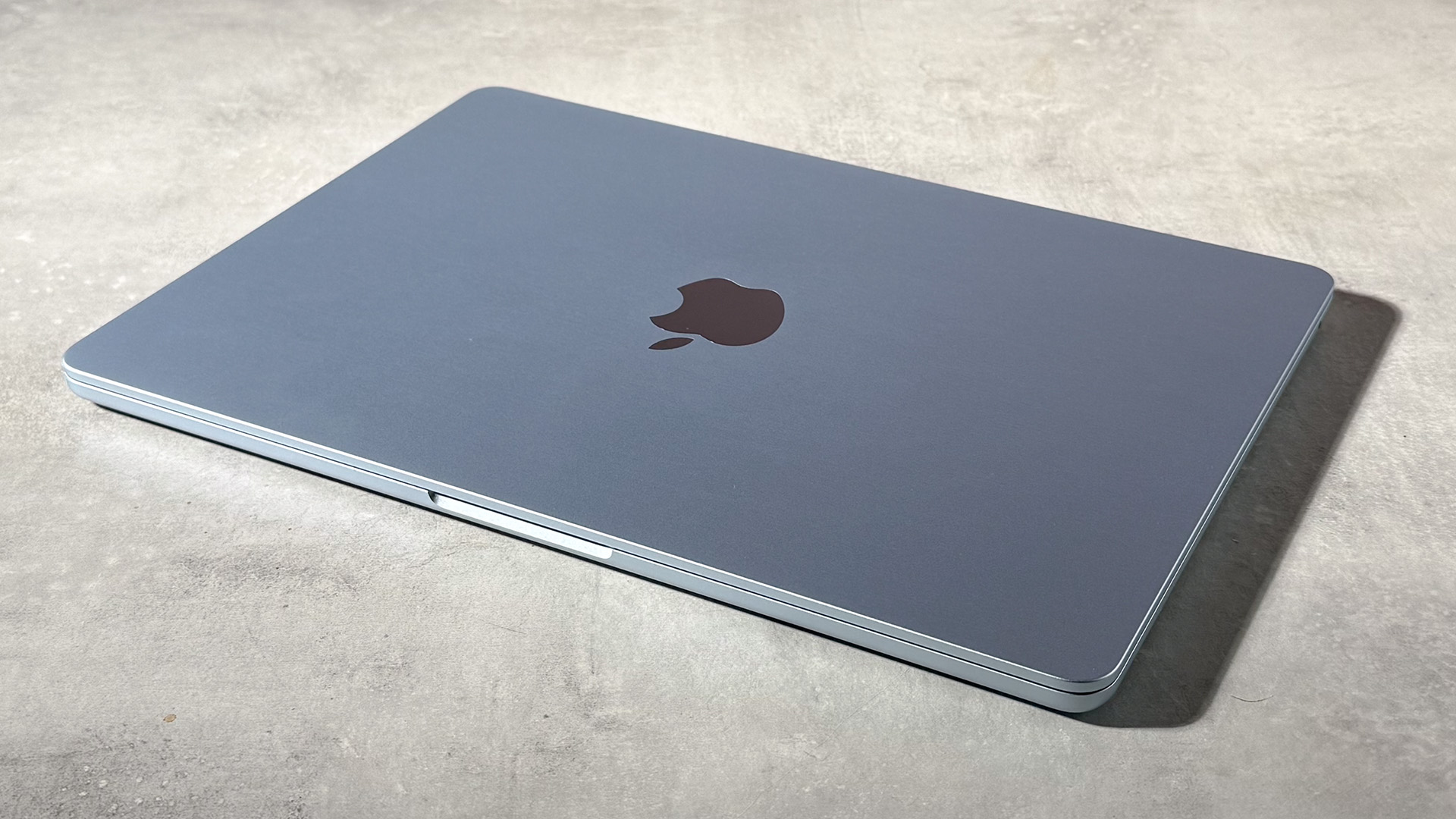
So, that’s all well and good. But while what Apple’s done in terms of performance and stability for a first beta may be ‘mind-blowing’ in some respects, it could also be argued that this is merely to be expected. That’s because macOS 27 is mostly about fixing Tahoe, and so that’s what Apple has been concentrating on – hence the lack of any major feature additions.
Still, to be fair to Apple, it looks like the company has done a great job. And it is indeed unusual to see feedback praising stability so highly for an initial (dev) beta release. So, let’s give credit where it’s due, even if this is more a case of necessary refinement, honing, fixing, and generally ‘recovering’ from Tahoe than it is Golden Gate being any kind of standout leap over its predecessor.
It seems like macOS 27 is going to please a lot of Mac owners when it’s released later this year, particularly those with older MacBooks (not too old, though – sorry Intel folks). Meanwhile, on the other side of the fence, Microsoft’s efforts to fix Windows 11 – a project set to span the course of this year – are also going well thus far. All this makes me optimistic that perhaps 2027 could be a golden year for desktop operating systems.


Follow TechRadar on Google News and add us as a preferred source to get our expert news, reviews, and opinion in your feeds.