- Microsoft is bringing in more options for remapping the Copilot key
- You’ll be able to redefine it to invoke the context menu, or use it as Right Ctrl
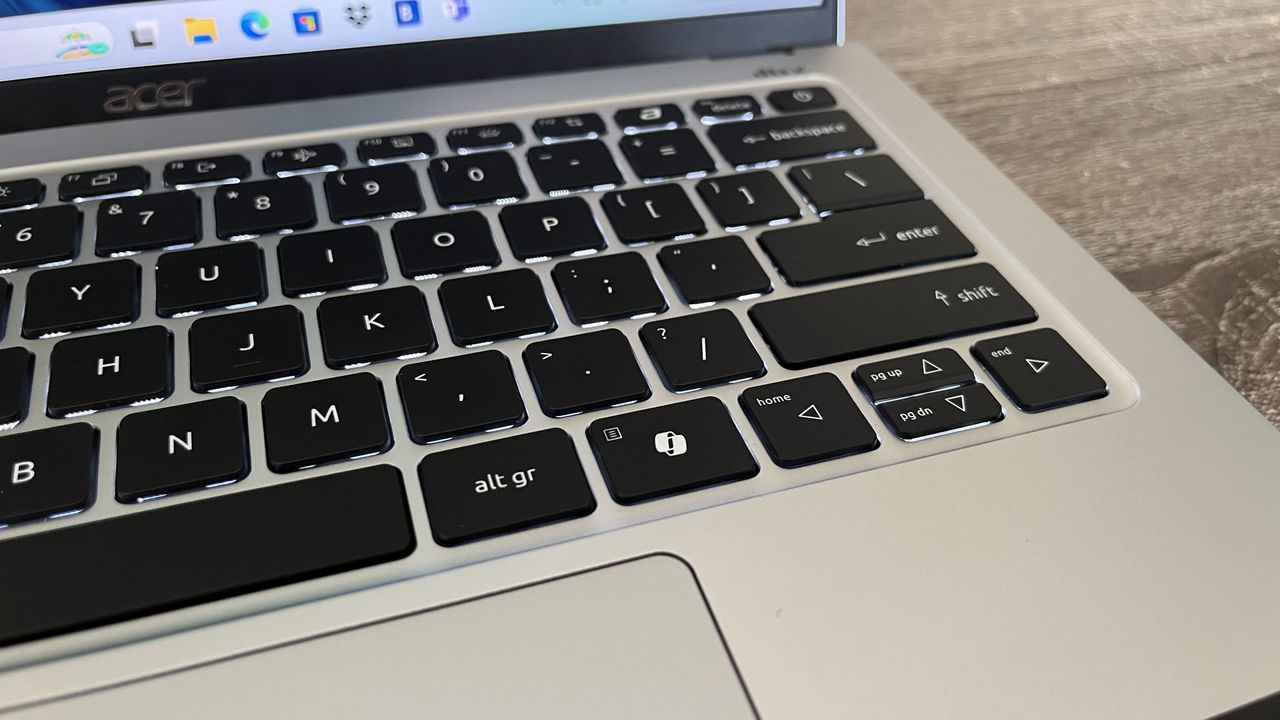
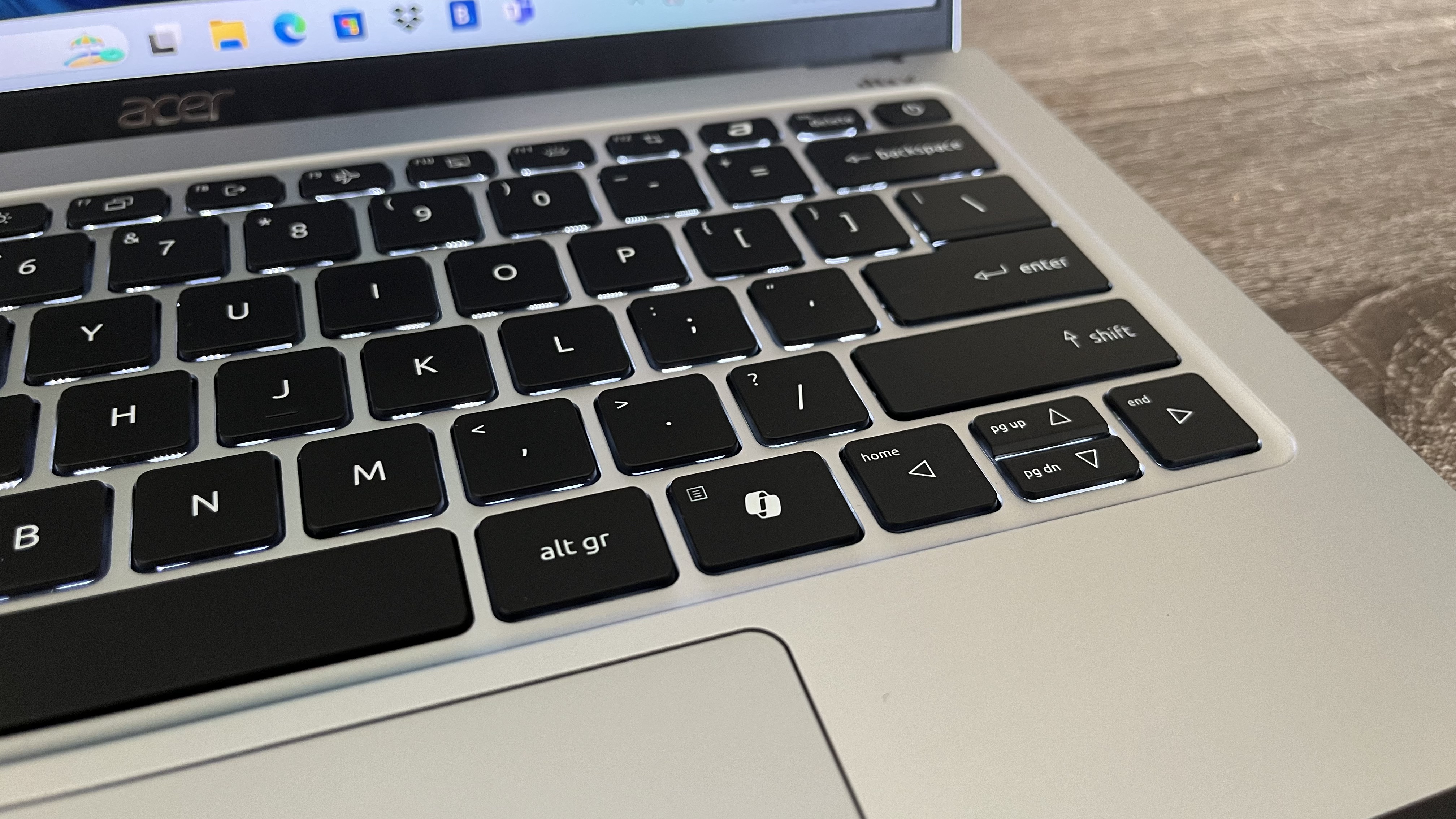
- This used to be the Right Ctrl key before Microsoft jettisoned it to make room for the dedicated AI key on Windows 11 laptops
Microsoft is going to provide more options for remapping the Copilot key, the dedicated key introduced to summon Windows 11‘s AI assistant on laptops (and some standalone keyboards, too).
Windows Central noticed that Microsoft has confirmed this move in a support document, which states: “Customers who rely on the Right Ctrl key or Context menu key for keyboard shortcuts or assistive technologies (such as screen readers) experienced some challenges to their workflows when using these devices.
“A Windows 11 update will ship later this year that will add a setting option to let you remap the Copilot key to act as the Context menu key or Right Ctrl key.”
So, you’ll be able to use the Copilot key as a Control key on the right side of the keyboard, which is what that key would have been before Copilot was around. Either that, or you can switch it to bring up the context menu (the right-click menu that facilitates context-sensitive actions).
Microsoft previously introduced the ability to redefine the Copilot key to invoke Windows search or open certain apps (although no third-party applications support this, making it of limited use thus far).
Analysis: a necessary fix

It’s good to get some better options, then, including that context menu key (which was actually rumored to be a change in the works over a year ago). Returning the key to the Right Ctrl is an important move because, as Microsoft observes, not having it can be an accessibility issue.
It’s instrumental for certain workflows, such as being able to use shortcuts with one hand, pressing Ctrl plus the arrow keys, for example, or other combos using Ctrl with other keys on the right side of the keyboard. Without a Ctrl key on the right, those actions become a two-handed operation using the left and right sides of the keyboard.
It’d be nice if Microsoft gave us a wider range of options to remap the key to anything we wanted, though that can be achieved by installing PowerToys and using the Keyboard Manager. We’ve got the full details on how to do that here, though I’d still rather have some of the key parts of PowerToys – including this one – incorporated into Windows 11 as options, as I recently discussed.
Overall, this move is a welcome one, and another part of Microsoft’s big plan to fix Windows 11 – although some folks are still pretty jaded about the company having implemented the Copilot key in the first place.
As this Redditor observed: “Oh, yes: steal the Right Ctrl and now return it as an improvement.”
And someone else on Reddit noted: “Looks like their telemetry told them people avoided pressing that key like a plague.”


Follow TechRadar on Google News and add us as a preferred source to get our expert news, reviews, and opinion in your feeds.