

- New AI tools for verifying ages are being rolled out by Meta
- Instagram and Facebook is for users aged 13+
- A “visual analysis” will weigh up height and bone structure
Age verification for sites, apps, and devices is fast becoming the norm as regulators look to protect children from potentially harmful content — including content on social media. Now Meta has announced new “age assurance measures” for teen users and predictably, they are powered by AI.
Specifically, the system will use contextual clues associated with a profile (such as mentions of birthdays or school grades) together with a “visual analysis” to help figure out how old a user is.
“We want to be clear: this is not facial recognition,” says Meta. “Our AI looks at general themes and visual cues, for example height or bone structure, to estimate someone’s general age; it does not identify the specific person in the image.”
Users suspected of being too young for Facebook and Instagram (so under 13) will have their accounts deactivated. They’ll then need to provide some form of proof of age through a specific age verification process to get their account back.
‘Safe, positive experiences online’
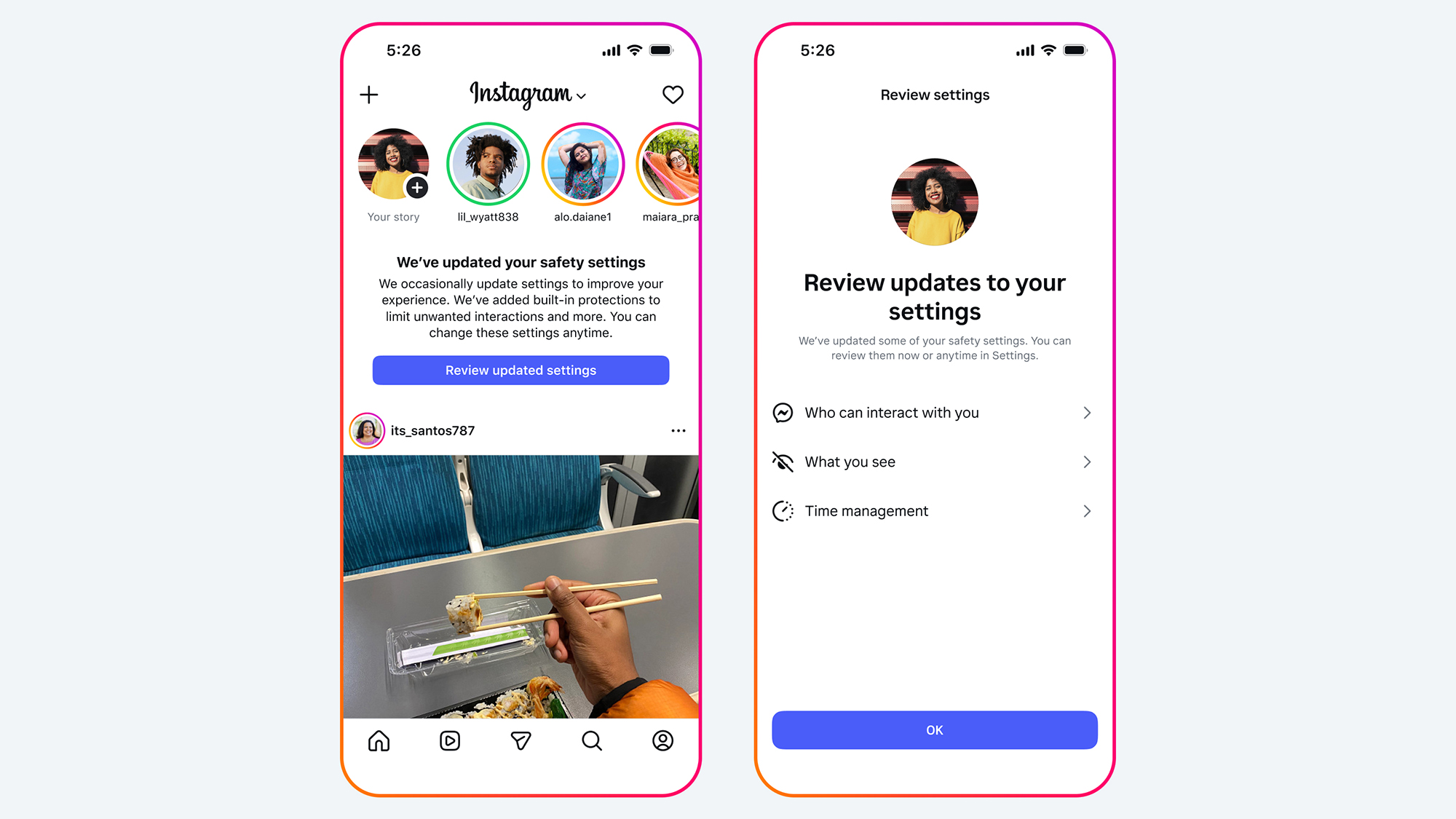
Other Facebook and Instagram users can report accounts that they think are being used by kids under the age of 13, and Meta says it hopes to “significantly increase the number of underage accounts we identify and remove” through these methods.
“We want young people to have safe, positive experiences online,” says Meta (though some would disagree). “For over a decade, we’ve built tools, features, and resources to help teens have safe, age-appropriate experiences on our apps.”
Similar AI techniques are already being used to spot teenagers on Meta’s platforms, and shepherd them into teen-appropriate spaces on these platforms. This tech is now expanding into more regions (including Facebook in the US and the UK).
Meta’s announcement ends with a familiar call that we’ve heard before from the developers of apps and websites: to force age verification at the device level, so it’s a problem for Apple, Google, and Microsoft rather than Meta.

Follow TechRadar on Google News and add us as a preferred source to get our expert news, reviews, and opinion in your feeds.