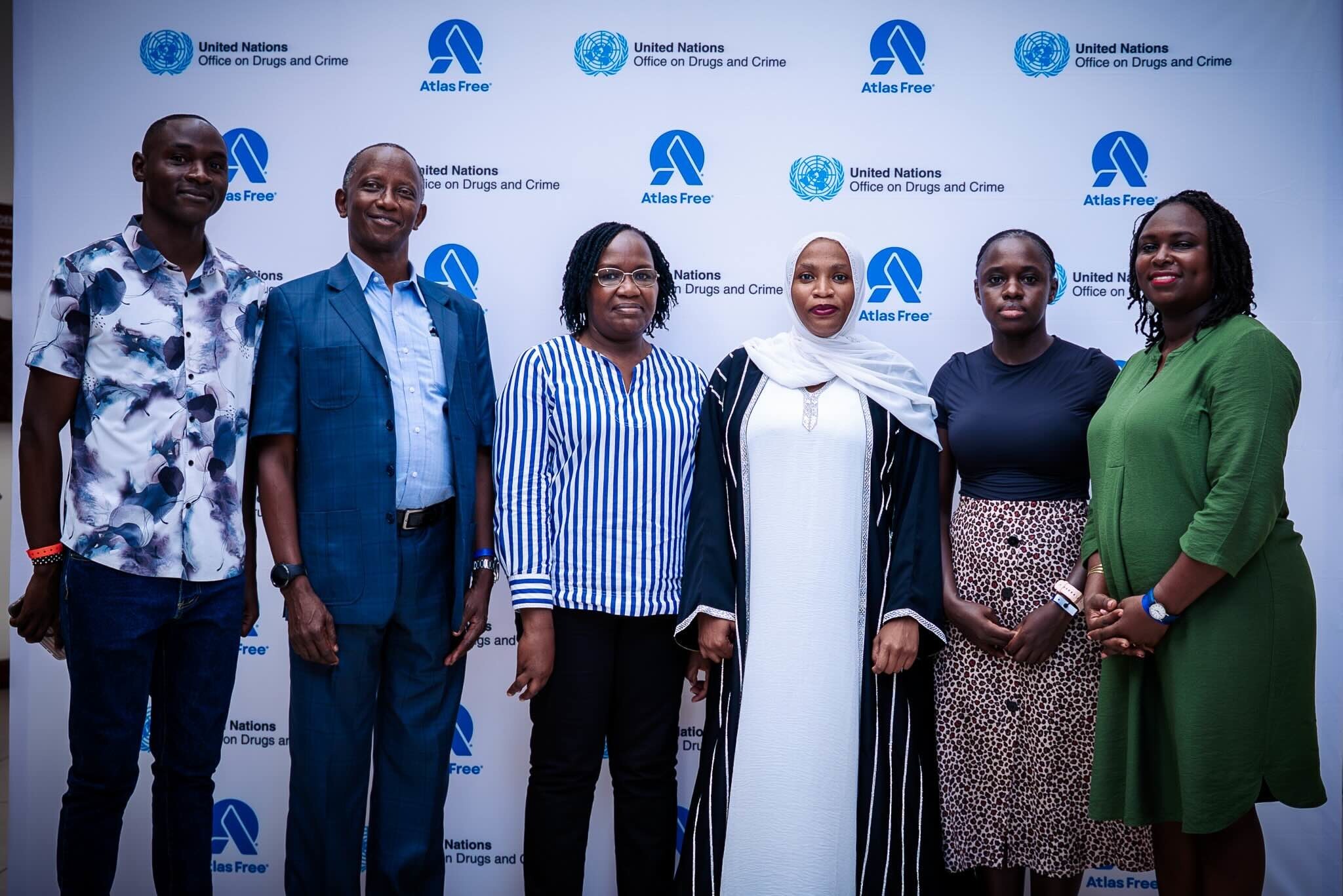
, /PRNewswire/ — In a display of international coordination, Atlas Free partnered with the United Nations Office on Drugs and Crime (UNODC) to host a regional anti-trafficking summit in Mombasa, Kenya. The event brought together leaders from Ethiopia, Kenya, Malawi, Somalia, Tanzania, Uganda, and the United States to confront the rapidly evolving trafficking crisis.
Government officials, survivor leaders, and nonprofit organizations gathered steps away from Fort Jesus—a 16th-century coastal fortress once tied to the Arabian slave trade. The setting served as a stark reminder of the region’s long history of exploitation and the urgency of today’s fight against modern slavery.
Over three days, participants worked to address the fragmented systems traffickers exploit and chart a more coordinated regional response focused on victim identification, survivor care, and cross-border cooperation.
Addressing a Rapidly Evolving Crisis
The summit focused on the accelerating complexity of trafficking operations across East Africa and beyond. Participants examined emerging threats—including forced criminality in cyber scam operations, domestic servitude, and digital recruitment tactics increasingly used to target sex trafficking victims.
Leaders also addressed persistent gaps in victim identification and protection. Many trafficking victims remain misidentified as criminals, particularly in cases involving cyber-enabled trafficking, where traffickers force victims to participate in online scams or fraud under coercion.
Across the discussions, participants highlighted several pressing challenges:
- Transnational trafficking enterprises outpacing legal systems. Criminal organizations operate across borders faster than current protection frameworks can respond.Victims frequently go unidentified. Limited training and screening procedures often result in survivors being detained or overlooked instead of protected.
- Trafficking methods are evolving rapidly. Digital recruitment, cyber scams, and overlapping crimes, including fraud, smuggling, and corruption, make cases harder to detect and prosecute.
- Frontline responders remain under-resourced. Civil society groups and law enforcement often lack the funding and tools needed to reach victims and sustain reintegration programs.
Throughout the summit, government officials and civil society leaders exchanged practical strategies for identifying victims sooner, improving trauma-informed recovery care, and strengthening cooperation across national borders.
Building Pathways Home for Survivors
One key focus of the summit was improving the cross-border referral process so survivors rescued in one country can safely return home and access long-term care.
“The East African government representatives and NGO leaders also discussed how to streamline the referral process so sex trafficking survivors can return home for the best possible care,” said John Richmond, Atlas Free’s Chief Impact Officer, Former U.S. Ambassador to Combat Trafficking. “Many trafficking victims, if they are fortunate enough to find freedom, have no way home and limited access to services.”
Participants explored ways to strengthen partnerships between governments and nonprofit organizations to ensure survivors receive care, safe housing, and reintegration support.
A New Level of Regional Collaboration
“A fear in me has been taken away,” said Flora, an Atlas Free Network Member who attended the gathering. “I will push this narrative for the people near me to understand this evil that is happening and how we can walk with those who have gone through trafficking—whether domestic or international. Something in me was awakened this week.”
Organizers say the summit strengthened relationships between governments, survivor leaders, and civil society organizations—creating a foundation for more coordinated anti-trafficking efforts across East Africa.
According to Richmond, the partnership between UNODC and Atlas Free represents a powerful model for future impact.
“UNODC’s successful track record and Atlas Free’s expansive network of service providers create a powerful combination,” he said. “When international institutions and frontline organizations work together, we can build systems that actually outpace traffickers.”
As trafficking enterprises continue to expand across borders and into the digital world, leaders at the summit emphasized that sustained international collaboration will be essential to protecting victims and holding perpetrators accountable.
The Mombasa summit represents an important step toward that goal: bringing together the people and partnerships needed to reshape how the region confronts human trafficking.
About Atlas Free
Atlas Free is a nonprofit organization headquartered in Seattle, WA, uniting a global network of over 140 frontline organizations to fight human trafficking and restore dignity and freedom to survivors. With operations in 67 countries around the world, Atlas Free provides safety, healing, and pathways to new futures for women, children, and families affected by trafficking.
For Media Inquiries:
Contact the Atlas Free Marketing Team at [email protected].
SOURCE Atlas Free