

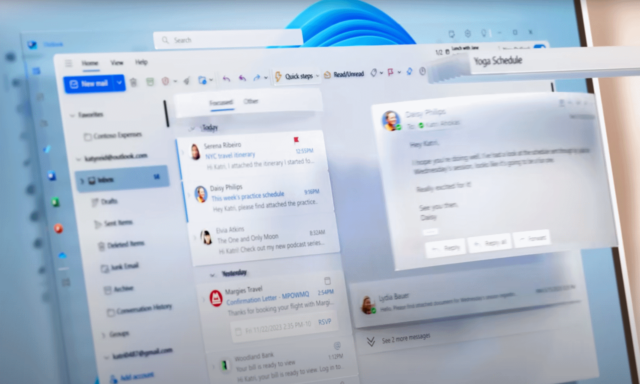
Enterprise users will no longer be automatically updated to the new Outlook next month as Microsoft planned. Instead, the company has decided to delay the rollout by a year so users will have longer with Outlook classic if they want.
The delay means that automatic migration will now not take place until March 2027. This change to the schedule means that enterprise users can switch to new Outlook manually if they want, but will not be forced to do so until the end of Q1 next year.
Microsoft had faced complaints from enterprise users who baulked at the idea of have the new version of Outlook forced upon them in April 2026.
In a post to the Microsoft 365 Message Center, Microsoft flags up:
Microsoft has postponed the opt-out phase for new Outlook in Enterprise from April 2026 to March 2027, giving organizations 12 months to prepare. Admins can use policies for staged migration, users can switch back temporarily, and resources are provided for smooth transition and adoption.
The remainder of the message reads:
Introduction
Microsoft is updating the opt‑out phase start date for new Outlook for Windows in Enterprise environments from April 2026 to March 2027.
When this will happen:
- The opt‑out phase for Enterprise environments will now begin in March 2027 (previously April 2026), providing organizations with 12 months of lead time to prepare.
- GCC High and DoD timelines will be communicated separately at a later date.
Why is there a change to the timeline?
We’re seeing strong and accelerating adoption of new Outlook as organizations progress on timelines that match their readiness. At the same time, we continue to invest heavily in expanding capabilities and addressing feedback from customers who want to go further with new Outlook. To ensure organizations have the time they need to prepare—and to fully realize the value of ongoing innovation—we’re extending the opt-out timeline and providing 12 months of lead time as we continue delivering key features and improvements.
How this affects your organization:
Who is affected:
- Microsoft 365 administrators managing Outlook for Windows.
- Users of classic Outlook for Windows.
- Organizations that previously disabled the new Outlook toggle or have not yet begun migration planning.
What will happen:
- Migrated users will receive in‑app onboarding prompts and can switch back to classic Outlook if needed.
- Existing policies that disable or limit access to new Outlook will remain in effect.
- Admins can continue using Admin‑controlled migration to move users in a staged, reversible manner ahead of time.
- Users will not be migrated if one or more of the following is true:
- You have opted out users using the Policy of automatic migration
- New Outlook toggle is hidden via policy
- Perpetual license is in use
- On premise account
What you can do to prepare:
Prepare your organization for the opt-out phase that will begin March 2027. Evaluate and use the Admin-controlled migration policy to the stage and schedule that is right for your organization.
Take preparatory steps to:
- Assess feature and web add-in readiness.
- Conduct any needed pilots.
- Build a timeline that works for your organization.
- Re-enable the toggle if previously disabled and enable the Admin-controlled migration policy to move forward.
Be sure to communicate with your users about what to expect, and leverage Microsoft’s adoption resources to make the experience smooth.


