

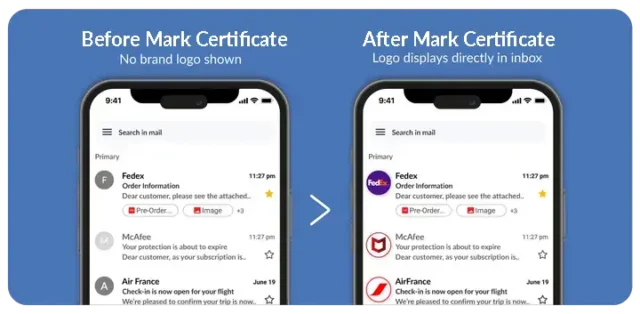
Sectigo has introduced Verified Mark Certificates and Common Mark Certificates for enterprise customers, expanding its digital certificate portfolio to include inbox logo verification. The new offering gives organizations a way to display approved brand logos next to authenticated emails in supported inboxes, linking technical validation with visible brand identity.
The certificates work with the Brand Indicators for Message Identification standard, known as BIMI, which connects authenticated email messages to a validated logo. Supported providers include Gmail, Apple Mail and Yahoo.
Sectigo VMCs and CMCs
As phishing, spoofing and brand impersonation continue to affect organizations of all sizes, email remains a primary attack vector. Although protocols such as DMARC help verify that a message is legitimate, those checks typically take place behind the scenes and aren’t visible to recipients.
Verified Mark Certificates, or VMCs, allow organizations with a registered trademark to display a verified logo in participating inboxes. In Gmail, eligible senders can also receive a blue checkmark indicator tied to that verification.
SEE ALSO: 77 percent of successful email attacks impersonate trusted platforms
Common Mark Certificates, or CMCs, extend logo display capabilities to organizations that don’t hold a registered trademark. To qualify, a logo must have been in public use for at least 12 months, offering an alternative path to inbox logo verification.
“Email remains one of the most powerful yet vulnerable channels for customer engagement,” said Dena Bauckman, senior vice president of product at Sectigo. “With VMCs and CMCs, we’re giving enterprises a way to turn backend authentication, such as DMARC, into a visible trust signal that protects brands, reassures recipients, and drives stronger engagement in the inbox.”
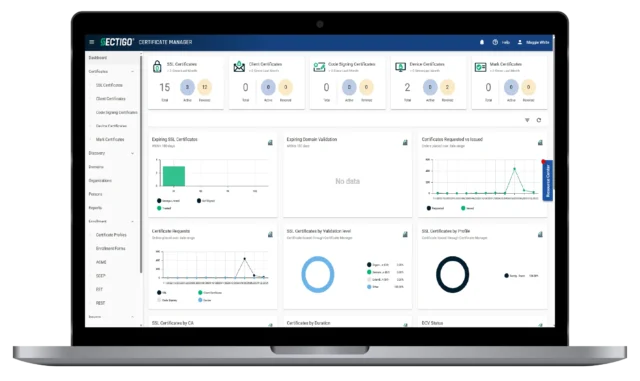
Sectigo previously made VMC and CMC solutions available through its website and has now expanded the program for enterprise customers by integrating full lifecycle management into Sectigo Certificate Manager. This allows organizations to request, issue and manage Mark Certificates alongside other digital certificates in a single platform.
The management workflow includes a guided process for submitting logos and validation information. Centralized lifecycle controls enable enterprises to track renewals and oversee certificates across multiple domains or brands from one interface.
VMCs and CMCs provide different validation paths depending on trademark status, legal considerations and also regional requirements. Enterprises select the certificate type that suits their brand and compliance needs while maintaining consistency across domains.
Beyond authentication, visible logo indicators can influence how recipients interpret email messages. A recognized logo next to a message can make it easier to distinguish legitimate communication from fraudulent attempts, particularly in environments where phishing campaigns are frequent.
What do you think about using inbox logo certificates to help combat phishing? Let us know in the comments.
![java-at-30:-what’s-next-for-the-world’s-most-enduring-programming-language?-[q&a]](https://thetechbriefs.com/wp-content/uploads/2025/05/21679-java-at-30-whats-next-for-the-worlds-most-enduring-programming-language-qa.jpg)

